From Content to Conversion: How TikTok’s New "All-in-One" Funnel is Redefining Social Commerce
In the rapidly evolving digital landscape, the line between discovery and purchase is blurring. For years, TikTok functioned primarily as a top-of-funnel discovery engine—a place for viral trends and entertainment. However, a significant pivot is underway. TikTok is systematically rebuilding the traditional marketing funnel inside its own ecosystem, launching a suite of AI-driven tools that allow brands to generate content, manage search visibility, and facilitate direct sales without users ever leaving the platform.
This transformation represents a paradigm shift for small business owners and marketers. By lowering the barrier to entry for high-quality production and tightening the path to conversion, TikTok is positioning itself as a comprehensive retail destination rather than just a social media app.
Main Facts: The New TikTok Ecosystem
The core of this evolution lies in three distinct pillars: Generative AI creation, Intent-based search dominance, and Integrated booking and commerce.
At the center of this strategy is TikTok Symphony, a creative suite designed to automate the heavy lifting of video production. By leveraging the Seedance AI video model, businesses can generate professional-grade content from text prompts, create digital avatars, and even localize voiceovers into over 30 languages.
Complementing this is a more aggressive search strategy. Through "Search Hubs" and "Keyword Amplifiers," TikTok is allowing advertisers to purchase top-of-results placement, essentially turning the app into a social search engine that rivals traditional platforms like Google or Amazon. Finally, with the introduction of features like "TikTok Go," the app is integrating location-based services, allowing users to book travel and experiences directly within the interface.
Chronology: The Evolution of the TikTok Funnel
TikTok’s trajectory toward a full-funnel solution has been methodical.
- The Discovery Phase (2020–2022): The platform focused on aggressive user acquisition, utilizing the "For You" algorithm to match content to user interests.
- The Commerce Integration (2023): The rollout of TikTok Shop signaled the first major move into direct in-app transactions.
- The AI Creative Push (2024): The launch of Symphony Creative Studio marked the shift toward democratizing video production, allowing brands to bypass traditional creative agency costs.
- The Search and Utility Era (Late 2024–Present): The introduction of Search Hubs and TikTok Go signals the platform’s final move to capture "intent-based" traffic, where users come to the app specifically looking for products or services.
Supporting Data and Expert Insights
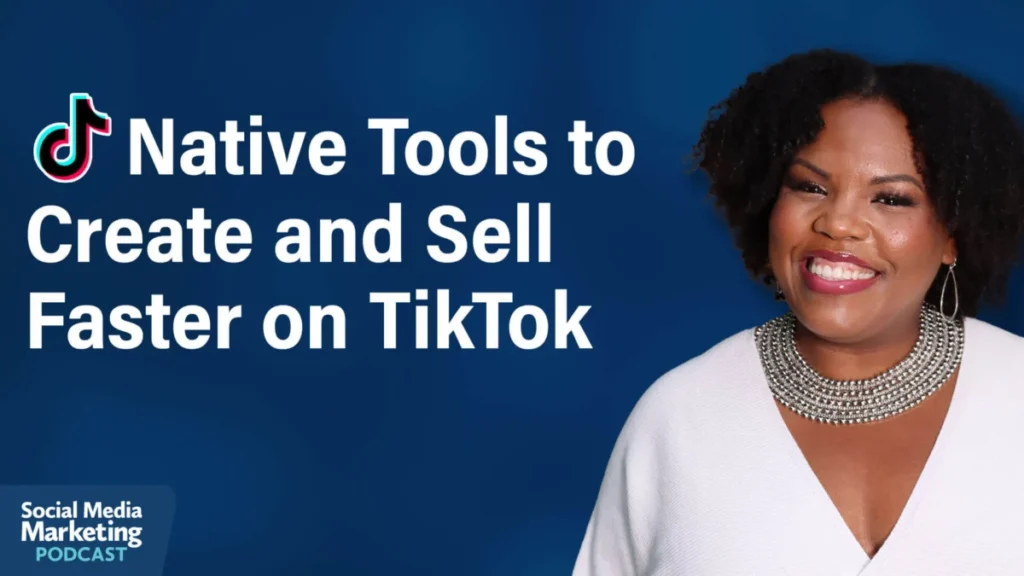
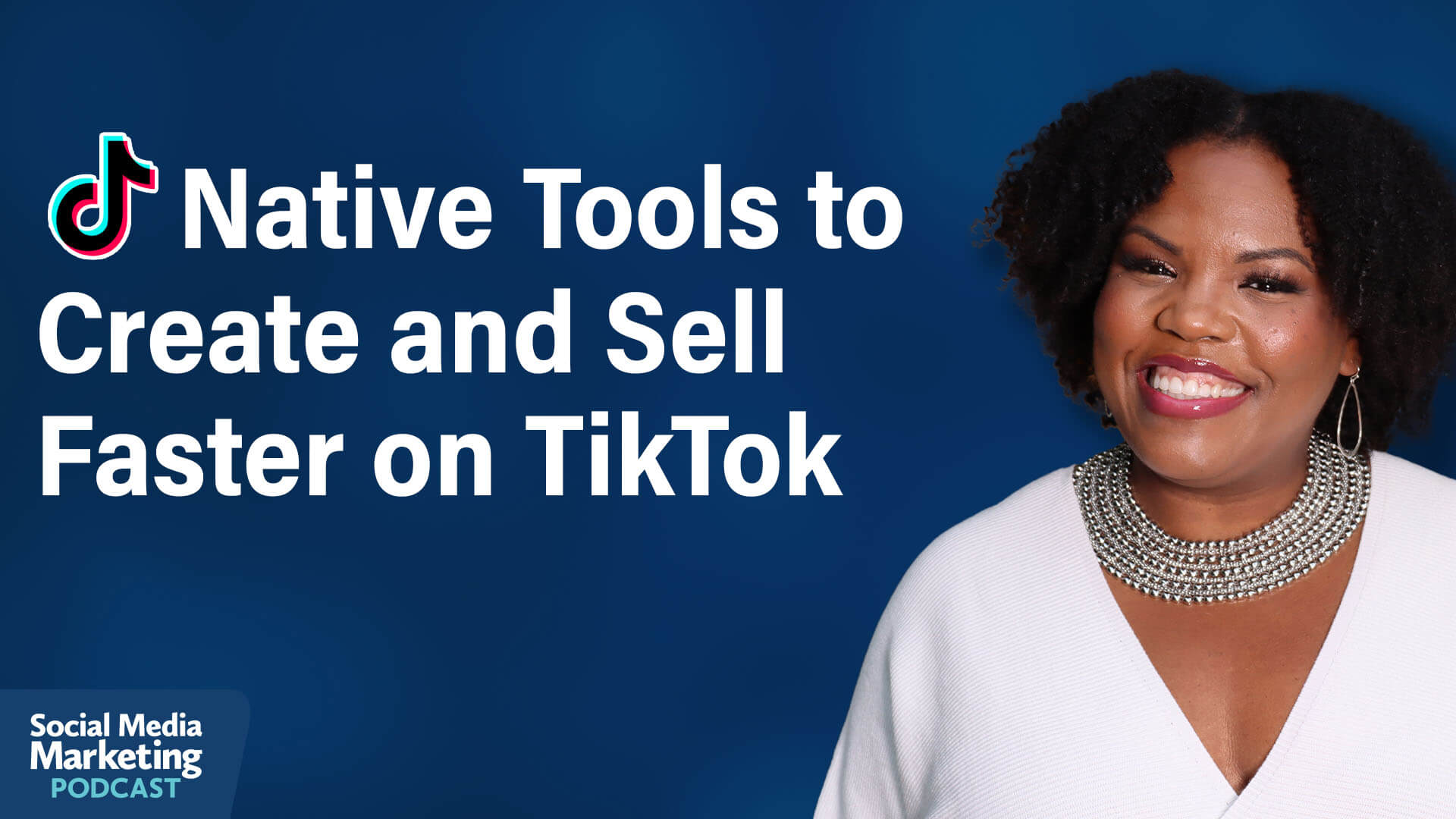
Marketing strategist Keenya Kelly, who has been stress-testing these tools for both personal and client-facing campaigns, suggests that these tools are game-changers for resource-strapped teams.
"Symphony is a significant unlock," Kelly notes. "For a brand without the budget to hire actors, lighting crews, or editors, the ability to generate a high-quality video from a simple text prompt isn’t just a convenience—it’s an operational necessity."
Data points from early adopters suggest that the efficiency gains are substantial. By utilizing "Smart+ Automatic Placement," advertisers can now distribute content across the TikTok ecosystem, including the image-centric app Lemon8 and the Pangle ad network. This cross-pollination strategy is proving effective; Kelly reports growing her Lemon8 audience to 50,000 followers with minimal output by leveraging the app’s ability to sync content directly to the TikTok For You Page.
Official Responses and Ethical Considerations
TikTok’s aggressive push into AI-generated content has sparked necessary conversations regarding transparency. The company has officially stated that all AI-generated content produced through its creative tools will be labeled.

However, the rise of "Symphony Digital Avatars"—AI actors that can deliver brand scripts—raises ethical questions about authenticity. Kelly highlights the fine line between a paid spokesperson and a manufactured narrative: "Consumers are generally accepting of AI-generated content as long as they know it’s AI. They view it similarly to a commercial actor. The backlash only occurs when the audience feels misled—for instance, if an AI avatar fabricates a personal relationship or a fake ‘friend recommendation’ for a product."
TikTok’s official stance emphasizes that these tools are designed to augment, not replace, human creativity. By handling the rote tasks of content generation and audio-fix optimization, the platform aims to empower creators to focus on strategy and brand voice.
Implications for Marketers and Business Owners
The shift toward an "all-in-one" funnel has profound implications for how businesses should approach their digital strategy.
1. The Search Engine Optimization (SEO) Pivot
With the introduction of Search Hubs, TikTok is officially a search engine. Businesses must stop viewing their presence as strictly "content-first" and begin treating it as "search-first." This means identifying the keywords that potential customers use to find services and ensuring that those terms are embedded within their videos, captions, and paid Search Hub placements.
2. The End of the "Trending Audio" Era
For years, marketers relied on viral audio clips to hack the algorithm. That strategy is losing potency. TikTok’s "Music Auto-Fix" and its improved ability to match relevant audio to organic content suggest that the algorithm is becoming more sophisticated. Content quality and relevance to the user’s intent now outweigh the ephemeral boost provided by a popular song.

3. The Power of "Smart+" Automation
Advertisers who are hesitant to use TikTok due to the perceived complexity of ad management should look toward "Smart+ Automatic Placement." By allowing the platform’s AI to cycle through creative variations and scale high-performing ads automatically, businesses can achieve the efficiency of a dedicated ad team. "I would run far more ads on TikTok if the system functioned like a high-end media buyer," Kelly observes. "That is exactly what these new tools are doing—watching what performs, killing the losers, and scaling the winners."
4. The Rise of Localized Conversion
With the expansion of TikTok Go, local businesses—hotels, tour operators, and restaurants—have a massive opportunity. Because TikTok can access location data, it can serve hyper-relevant, bookable experiences to users in real-time. A user searching for "things to do" in a specific city will no longer be redirected to a third-party website; they will be prompted to book within the TikTok interface.
Conclusion: Adapting to the New Reality
The transition of TikTok into a full-funnel marketing machine is not merely an update; it is a fundamental shift in the digital marketing landscape. Brands that continue to treat TikTok as a passive entertainment platform will likely lose ground to competitors who utilize AI to build aggressive, search-optimized, and conversion-focused funnels.
For the modern marketer, the path forward is clear: lean into the automation provided by Symphony, optimize for the platform’s search engine, and embrace the power of the integrated ecosystem. While the ethical questions regarding AI and transparency remain, the utility for businesses—especially those looking to scale with limited resources—is undeniable. As TikTok moves from "content for entertainment" to "content for conversion," the brands that adapt to this new, all-in-one environment will be the ones that capture the next generation of consumer loyalty.
This report was informed by insights from industry experts. For further learning on navigating the AI-driven marketing landscape, practitioners are encouraged to explore community-led resources such as the AI Business Society and the AI Explored podcast, which provide ongoing training and peer-based insights on emerging platform features.