The Strategic Playbook: How to Build and Monetize a YouTube Channel in a Crowded Market
For many business professionals, the idea of launching a YouTube channel in the current digital landscape feels like trying to board a departing train. The prevailing narrative suggests that the platform is saturated, dominated by high-energy Gen Z personalities, and gated behind a wall of expensive production equipment.
However, YouTube growth strategist Ty Myers argues that this perception is not only flawed—it is a significant barrier to business growth. In a collaborative analysis with Michael Stelzner, Myers outlines a rigorous, business-first framework for launching a channel that prioritizes strategic alignment over viral vanity metrics. This guide breaks down the essential steps for transforming a YouTube channel into a sustainable engine for lead generation and client acquisition.
The Myth of the "YouTube Personality"
The most persistent misconception hindering midlife professionals is the belief that success on YouTube requires an innate, bubbly charisma. In reality, the algorithm is agnostic to personality types; it is, however, highly responsive to utility.
Myers asserts that the most effective creators are those who treat YouTube as a bridge between a specific viewer’s problem and a professional solution. Skills honed in sales, consulting, and education are not just transferable—they are competitive advantages. By shifting the focus from "performing" to "solving," professionals can leverage their existing expertise to build trust and authority, which are far more potent drivers of business revenue than mere subscriber counts.
A Chronological Framework for Channel Launch
Success on YouTube is rarely the result of a sudden breakout video; it is the product of a systematic, four-phase development cycle.
Phase 1: Mission and Goal Alignment
Ambiguity is the primary cause of channel stagnation. Before a camera is ever turned on, creators must define the "why" behind their channel. Is the objective to generate high-ticket consulting leads, sell a digital product, or establish thought leadership in a niche industry?
Defining the mission creates a North Star that dictates content strategy and audience targeting. A channel that attempts to speak to everyone inevitably serves no one.
Phase 2: Defining the Avatar
With a mission in place, the focus shifts to the viewer. A precise "avatar" is a profile of the specific individual you are trying to help. What keeps them awake at night? What are their professional fears and desired outcomes?

This level of specificity must be woven into every element of your content—from titles and thumbnails to the internal logic of your script. Modern AI-driven algorithms analyze video transcripts to identify the intended audience. By signaling exactly who the video is for, you enable the algorithm to match your content with the users most likely to convert.
Phase 3: The "Reps" Phase
Perfectionism is the enemy of progress. Myers suggests that creators should focus on simply shipping content during the early stages. It typically takes roughly 15 videos for a creator to shed self-consciousness and allow their authentic voice to emerge. During this phase, the quality of the video is secondary to the consistency of the output.
Phase 4: Data-Driven Optimization
Once the workflow is established, the focus shifts from quantity to quality. This is where the creator begins to study YouTube as a distribution ecosystem. By analyzing high-performing videos in their niche, creators can reverse-engineer what works, identifying patterns in script structure, visual pacing, and audience retention strategies.
The 80/20 Rule of Pre-Production
One of the most critical insights offered by Myers is the inversion of traditional production priorities. Many creators spend 90% of their time filming and editing, only to give the title and thumbnail a cursory thought afterward.
According to the data, the topic, title, and thumbnail account for 80% of a video’s success. If a video is not "clicked," the quality of the production is irrelevant.
To maximize efficacy, creators should allocate roughly 60% of their weekly YouTube time to pre-production. This includes:
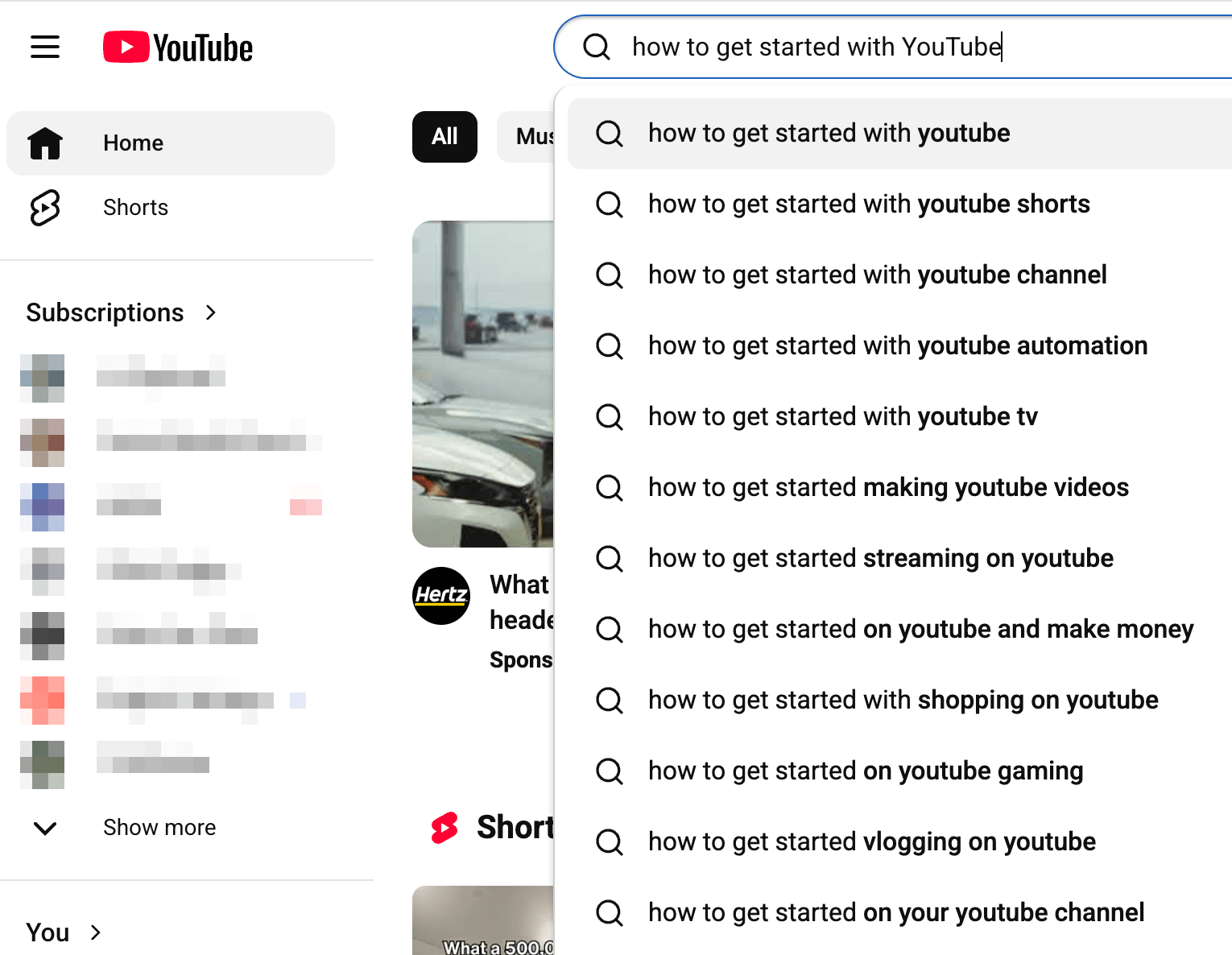
- Keyword Validation: Using tools like VidIQ to verify that there is actual search volume for a topic.
- Trend Analysis: Investigating whether high-performing videos on a topic are recent or aging, which signals whether the audience interest is enduring or a passing fad.
- Thumbnail Prototyping: Sketching and testing thumbnail concepts before a single frame of video is captured.
Emulation vs. Replication
A common point of confusion is the line between inspiration and plagiarism. Myers advocates for "emulation," which involves identifying the structural framework of a successful video—such as the hook, the pacing, or the visual call-to-actions—and populating it with your unique stories, analogies, and proprietary data.
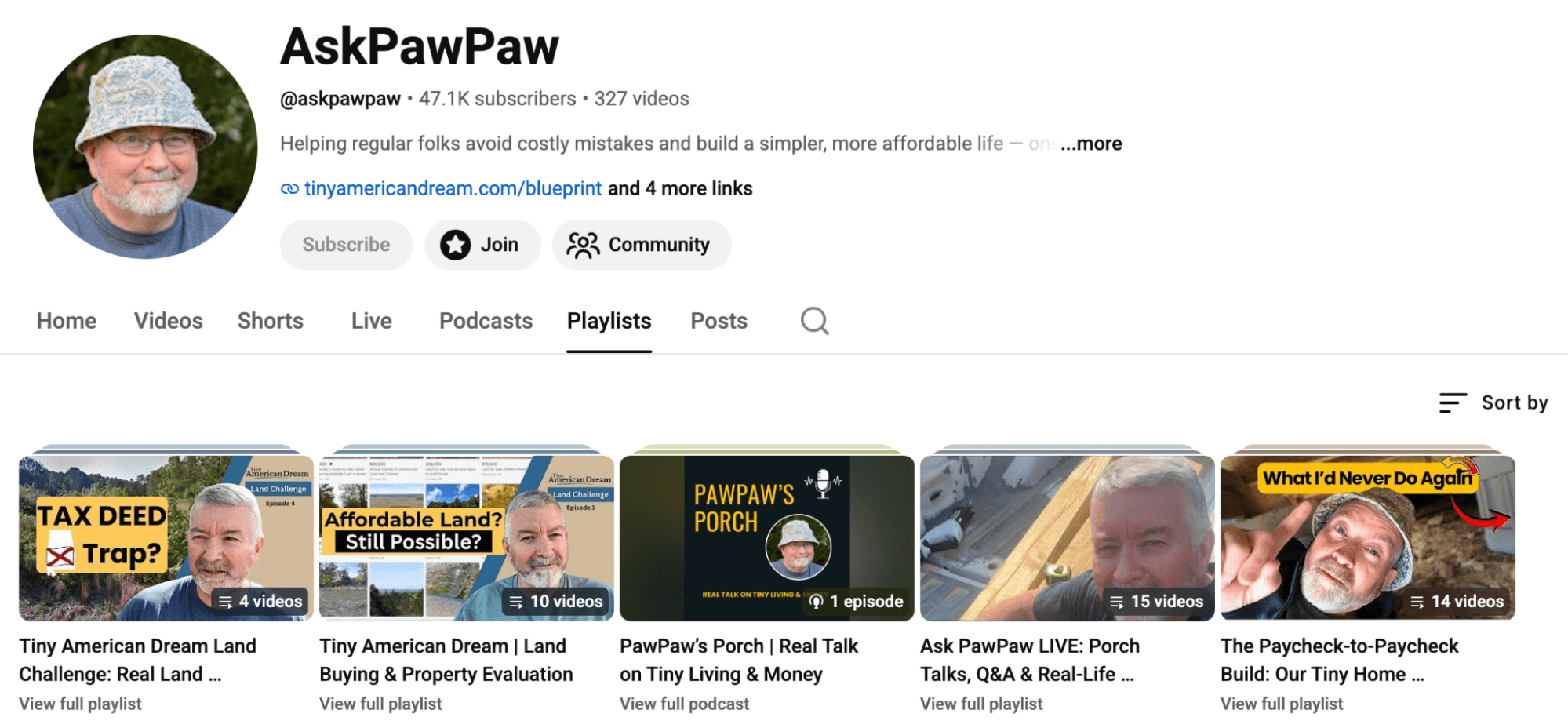
A case study of this approach is Kevin of the Ask PawPaw channel. Initially, Kevin struggled to gain traction with broad content about investments. By analyzing "outlier" videos in the tiny-home niche, he identified a high-demand, low-competition format. By applying his own expertise to that proven structure, he successfully pivoted his channel, transforming it into a high-authority resource for his specific target demographic.

The Anatomy of a High-Conversion Video
Modern video production requires a sophisticated approach to both the opening hook and the final call to action (CTA).
The 30-Second Hook
The opening of a video must achieve three things simultaneously:
- Targeting: Explicitly name the viewer to confirm they are in the right place.
- Curiosity Gap: Introduce a counterintuitive fact or question that creates a "need to know" in the viewer’s mind.
- Credibility: Establish your authority by citing results, thereby proving that your time is worth their attention.
Driving Revenue with CTAs
For service-based businesses, monetization often occurs outside of YouTube’s AdSense program. Myers suggests two primary methods for converting viewers into clients:
- The Explicit Mid-Roll: A brief, value-aligned mention that the content provided is a foundational element of your paid services, followed by a clear directive to the link in the description.
- The Subtle Signal: Throughout the video, weave in anecdotes from client engagements. This demonstrates hands-on experience and builds "passive" trust, positioning your services as the natural next step for viewers who want to implement your advice.
Maximizing Session Duration
YouTube’s algorithm rewards content that keeps viewers on the platform. To leverage this, creators should avoid traditional "sign-off" outros (e.g., "Thanks for watching, don’t forget to like and subscribe").
Instead, the end of the video should flow directly into a "bridge"—a question or a topic transition that leads naturally into the next video. By effectively linking content, you increase the likelihood that a viewer will binge your library. This improves your session duration metrics, which in turn signals to YouTube that your channel is a valuable asset to the platform, resulting in higher organic reach.
Essential Equipment: Start Simple
The barrier to entry for video production is lower than ever. A professional-grade setup does not require a studio; it requires a smartphone, a stable tripod, and, crucially, a high-quality external microphone.
Myers emphasizes that while viewers will forgive a mediocre image, they will rarely tolerate poor audio. A professional USB-C microphone—often available for under $300—is the single most important hardware investment a new creator can make. Beyond that, natural lighting from a window is sufficient to produce a clean, professional look that keeps the focus where it belongs: on the value you are providing to your audience.
Conclusion: The Path Forward
Building a YouTube channel in the current environment is less about "beating" the algorithm and more about understanding the needs of a specific, defined audience. By moving away from the pressure to be an entertainer and toward the goal of being a trusted advisor, professionals can create a scalable, evergreen asset. Whether you are a consultant, a coach, or a business owner, the "late" arrival to the platform is irrelevant—the only thing that matters is the quality of the solution you bring to the screen.