ICRA Projects Steady Growth for India’s Commercial Vehicle Sector in FY2027
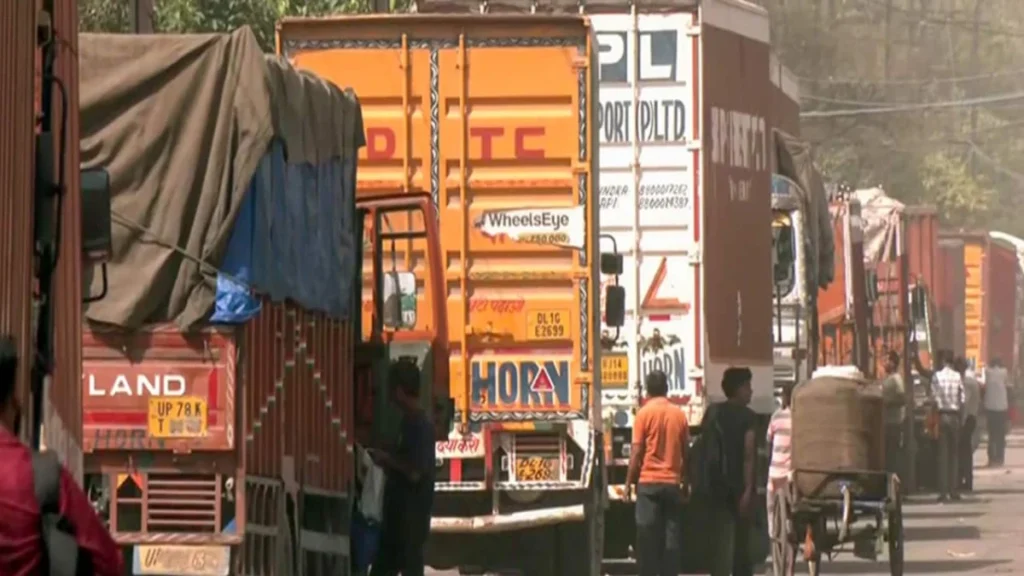
NEW DELHI – The Indian automotive landscape is bracing for a period of measured expansion, according to the latest industry forecast released by the credit rating agency ICRA. The report, published on June 28, 2026, highlights a nuanced trajectory for the commercial vehicle (CV) industry, predicting a wholesale volume growth of 4-6 percent for the fiscal year 2027.
As the Indian economy continues to navigate global headwinds and domestic infrastructure development, the commercial vehicle sector—often considered the "barometer of the economy"—is reflecting the ongoing shifts in logistics, last-mile delivery, and industrial demand.
Main Facts: A Dual-Speed Growth Trajectory
The ICRA analysis underscores a distinct divergence in performance expectations between the heavy-duty and light-duty segments of the commercial vehicle market.
According to the report, the Medium and Heavy Commercial Vehicle (M&HCV) truck segment is forecasted to experience a moderate volume growth of 1-3 percent in FY2027. This segment, typically driven by long-haul freight movement, infrastructure projects, and industrial output, appears to be entering a phase of consolidation following previous cycles of high growth.
Conversely, the Light Commercial Vehicle (LCV) truck segment is expected to outperform its heavier counterparts, with a projected growth rate of 6-8 percent. This optimism in the LCV segment is primarily anchored in the relentless expansion of e-commerce, the rise of quick-commerce (q-commerce) models, and the growing demand for intra-city logistics and last-mile delivery services.
Chronology of Market Dynamics (2024–2026)
To understand the projections for FY2027, it is essential to view the market through the lens of the preceding three years:
- FY2024: The Post-Pandemic Rebound: Following the disruptions of previous years, FY2024 witnessed a significant surge in replacement demand. Fleet operators, who had deferred purchases during the pandemic, returned to the market, leading to robust double-digit growth in both M&HCV and LCV segments.
- FY2025: Regulatory Adaptation: This year was characterized by the industry’s adaptation to stricter emission norms (BS-VI Phase II) and the introduction of advanced driver-assistance systems (ADAS) in newer truck models. While prices rose due to technology integration, demand remained stable, supported by sustained government spending on capital expenditure (Capex).
- FY2026: The Cooling Phase: As the economy moved toward maturity, FY2026 saw a normalization in growth rates. The high-base effect from previous years began to manifest, leading to a more cautious buying sentiment among fleet owners, particularly in the M&HCV space.
- FY2027: The Outlook: The current projections for FY2027 represent a "steady-state" environment. The growth is expected to be volume-led, supported by replacement cycles and the continued push for infrastructure development, though macroeconomic pressures such as interest rate volatility and fuel cost fluctuations remain key variables.
Supporting Data: Understanding the Segments
The bifurcation in growth projections is rooted in the distinct use cases of these vehicle categories.
M&HCVs: The Infrastructure Backbone
M&HCVs (typically trucks with a Gross Vehicle Weight exceeding 16.2 tonnes) are heavily dependent on core sectors like mining, construction, and inter-state logistics. The 1-3 percent growth forecast suggests that while infrastructure projects—such as the PM Gati Shakti National Master Plan—continue to provide demand, the rapid growth seen in the immediate post-pandemic era is stabilizing. Fleet operators are prioritizing vehicle utilization efficiency over aggressive fleet expansion, leading to a more controlled procurement cycle.
LCVs: The E-commerce Engine
The LCV segment, including small commercial vehicles and pick-up trucks, is witnessing a structural shift. The rapid penetration of e-commerce into Tier-2 and Tier-3 cities has created a massive need for efficient last-mile delivery networks. With consumers demanding faster delivery times—often within hours—the demand for agile, smaller-tonnage vehicles has surged. Furthermore, the push for electrification in the LCV segment is acting as a catalyst for fleet upgrades, as logistics companies look to lower their total cost of ownership (TCO) through lower running costs.
Official Responses and Industry Sentiment
Market analysts and industry stakeholders have responded to the ICRA report with a mixture of cautious optimism.
"The 4-6 percent overall growth projection is consistent with our internal assessments," noted a spokesperson for a leading automotive research firm. "While the M&HCV segment is clearly in a mature phase, the LCV segment continues to show resilience. The industry is no longer looking for explosive, unsustainable growth; rather, the focus has shifted toward technological integration, telematics, and a transition to greener fuels."
Leading commercial vehicle manufacturers have also signaled that they are aligning their production capacities with these projections. Companies are increasingly investing in modular platforms that allow for easy adaptation between internal combustion engines and electric powertrains, providing them with the flexibility to pivot based on market demand.
Implications for the Indian Economy
The projections for FY2027 carry several significant implications for the broader economy:
1. The Infrastructure-Logistics Synergy
The moderate growth in M&HCVs confirms that India’s infrastructure build-out is ongoing but steady. If the M&HCV segment were to underperform, it would signal a slowdown in construction and industrial activity. A 1-3 percent growth indicates a sustained, albeit non-aggressive, pace of investment in the real economy.
2. Employment and Last-Mile Connectivity
The robust 6-8 percent growth in LCVs is a positive indicator for employment in the logistics and delivery sector. As the demand for last-mile delivery grows, so does the need for drivers, warehouse staff, and fleet management personnel. This segment is effectively absorbing a significant portion of the workforce, particularly in urban and peri-urban areas.
3. The Energy Transition
A critical, though often understated, aspect of this growth is the shifting fuel mix. As fleet operators replace older, less efficient vehicles, they are increasingly opting for CNG or electric vehicles (EVs) in the LCV category. This transition is not only environmentally necessary but also economically prudent, as it mitigates the impact of volatile global crude oil prices on operating margins.
4. Financial Stability for Fleet Operators
With growth rates stabilizing, the financial health of small-to-medium fleet operators is expected to improve. In periods of high-growth, debt-fueled expansion often leads to high leverage. A period of measured growth allows operators to focus on debt servicing and optimizing fleet utilization, leading to a more resilient logistics ecosystem.
Conclusion: Navigating the Road Ahead
The ICRA report for FY2027 paints a picture of a mature, disciplined automotive market. While the days of double-digit, rapid-fire growth may be behind us for the moment, the stability predicted by these figures suggests a healthy, sustainable future for the commercial vehicle sector.
As India marches toward its goal of becoming a $5 trillion economy, the logistics sector remains a vital cog in the machine. The interplay between the infrastructure-heavy M&HCV segment and the consumer-centric LCV segment will define the logistical efficiency of the country. By focusing on technological advancements, emission compliance, and the integration of digital logistics solutions, the Indian commercial vehicle industry is well-positioned to navigate the challenges of FY2027 and beyond.
For investors, policymakers, and fleet operators alike, the message from the report is clear: The market is evolving. Success in the coming fiscal year will not be defined by volume alone, but by the ability to adapt to a changing landscape where efficiency, fuel diversity, and last-mile agility reign supreme.