WordPress at the Crossroads: A Deep Dive into WordCamp Europe 2026
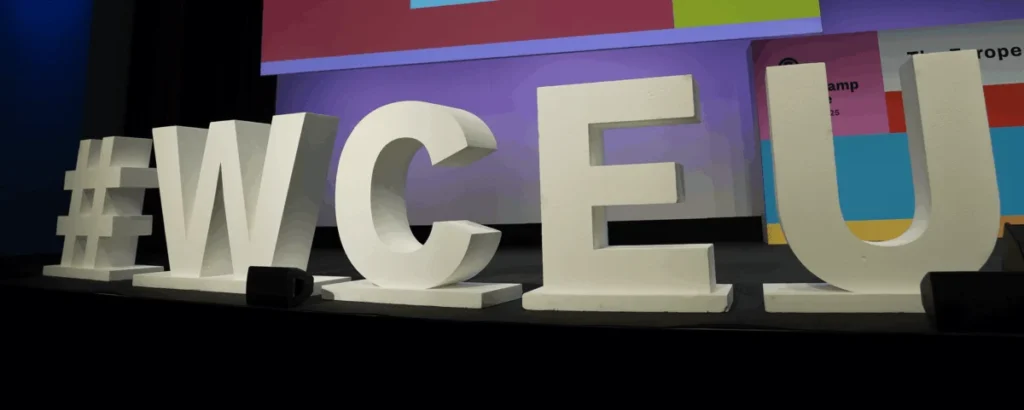
The global WordPress community is preparing for its most anticipated annual gathering, as WordCamp Europe (WCEU) 2026 descends upon the historic ICE Kraków Congress Centre in Kraków, Poland. From June 4 to 6, 2026, thousands of developers, designers, content creators, business owners, and open-source contributors will converge to address the evolving landscape of the world’s most popular content management system.
As the digital ecosystem faces seismic shifts—driven by the rapid integration of artificial intelligence, changing search behaviors, and the demand for more robust institutional security—WCEU 2026 arrives at a critical juncture. The event promises a comprehensive exploration of WordPress’s future, balancing its roots in grassroots community contribution with its growing role as a sophisticated, enterprise-grade framework.
Main Facts: The Scope of WCEU 2026
WordCamp Europe 2026 is structured as a multi-day immersion into the WordPress project. The event kicks off with a dedicated Contributor Day, a hallmark of the WordCamp experience where participants collaborate on the code, documentation, design, and translation efforts that sustain the software. The following two days feature a robust schedule of keynote addresses, hands-on workshops, and expert-led panels.
The curriculum is exceptionally broad, reflecting the diverse ways WordPress is utilized in 2026. Key tracks include:
- Technical Infrastructure: Development practices, plugin security, and API management.
- The AI Frontier: Practical applications of machine learning in site management and marketing.
- Search and Discovery: Adapting to Generative Engine Optimization (GEO) and changing user search habits.
- Business Sustainability: Scaling WordPress agencies and measuring ROI in an enterprise context.
- Community and Education: Bridging the gap between casual users and long-term contributors.
Chronology: A Roadmap to the Future of WordPress
The event’s program is carefully curated to guide attendees through the current state of the platform and provide a roadmap for the coming year.

Day One: Collaboration and Foundation
The event opens on June 4 with Contributor Day. This is where the "community" aspect of WordPress takes center stage. Attendees will participate in cross-functional teams to tackle bug fixes, improve accessibility, and refine the user experience of the block editor. This day serves as a reminder that despite the project’s massive corporate backing, its heartbeat remains the volunteer effort.
Days Two and Three: The Conference Sessions
The subsequent days shift toward knowledge sharing and strategic planning. The sessions are designed to move beyond theoretical discussions. For instance, workshops on Full Site Editing (FSE) offer practical guidance for developers looking to master the latest design tools. Panels such as "Inside WordPress 7.0" will provide a retrospective and prospective look at the project’s technical evolution.
Supporting Data: The Institutional Shift
A defining theme of WCEU 2026 is the transition of WordPress from a "blogging tool" to a mission-critical infrastructure for global institutions. Nowhere is this more apparent than in the opening keynote featuring Joachim Valdemar Yde and Francisco Borges Aurindo Barros.
Their presentation, "Two Worlds Collide: WordPress at CERN," offers a case study in scale. The European Organization for Nuclear Research (CERN) is in the process of migrating over 800 websites to a customized WordPress service. This move highlights a broader trend: large-scale organizations are increasingly trusting the WordPress framework for complex, high-security, and high-traffic requirements. This institutional adoption serves as a proxy for the software’s maturity and stability in 2026.
Keynote Perspectives: Bridging the Present and Future
The two primary keynotes frame the conference experience. The opening session focuses on the application of the software at an institutional level, while the closing keynote, delivered by Matt Mullenweg, focuses on the philosophy and future trajectory of the open web.

Mullenweg’s closing address is expected to synthesize the myriad conversations occurring throughout the event. With the rise of AI-generated content and the decentralization of social media, the question of "what comes next" for the open web is more pertinent than ever. Attendees are looking to these keynotes for a vision of how WordPress can remain a champion of user agency in an era of walled gardens and algorithmic dominance.
Technical Implications: AI, Security, and SEO
The technical sessions at WCEU 2026 are heavily focused on three pillars: AI-native workflows, security in a headless environment, and the changing nature of search.
The AI Integration
The conference moves past the "hype" stage of AI. Speakers like Vito Peleg are diving into "Agentic AI," which focuses on building workflows where AI tools execute tasks autonomously. This is a significant leap from simple text generation. It suggests a future where WordPress site managers use AI to handle routine site maintenance, security monitoring, and even content strategy, freeing up human time for creative and high-level decision-making.
Security and Trust
Security has been elevated to a primary concern. The focus has shifted from simple brute-force prevention to sophisticated API security. As more organizations adopt "Headless WordPress" architectures—where the front end is decoupled from the WordPress back end—securing the API layer has become paramount. Workshops on the "Abilities API" and secure architecture design reflect a mature approach to protecting digital assets.
The SEO Paradigm Shift
The "Future of SEO" panel addresses the anxiety many publishers feel regarding the decline of traditional search traffic. With AI-driven answers becoming the default for search engines, the speakers—including experts like Pam Aungst Cronin and Alex Moss—will explore how creators must shift their strategy from chasing keywords to becoming authoritative, trustworthy sources that AI models rely on for data.

Business and Community: Sustaining the Ecosystem
WordPress is not just software; it is an economy. The business track at WCEU 2026 offers a pragmatic look at profitability. Sessions on "Atomic Product-Market Fit" and "ROI Maps" signal that the professional WordPress community is moving toward more data-driven, engineering-led business models.
Simultaneously, the community track acknowledges the challenges of modernizing the contributor pipeline. The panel on "Rethinking Learning in WordPress" is a direct response to the complexity of the modern editor. As the barrier to entry for professional development rises, the community is actively seeking ways to mentor new contributors, ensuring that the "Five for the Future" initiative remains viable for the next generation of engineers.
Official Responses and Strategic Outlook
While individual speakers provide the expertise, the collective sentiment of the WCEU organizing committee emphasizes accessibility and inclusivity. By offering live streams of all sessions, the event organizers ensure that the knowledge shared in Kraków reaches the global community, not just those able to attend in person.
The implication is clear: WordPress is positioning itself to be the primary engine of the open web for the next decade. By embracing AI rather than fighting it, by hardening its security for enterprise use, and by doubling down on its commitment to open-source governance, the project is signaling that it is prepared for the volatility of the mid-2020s.
Conclusion: Why WCEU 2026 Matters
WordCamp Europe 2026 is more than a conference; it is a manifestation of a massive, distributed, and highly resilient community. As we look ahead to the sessions in Kraków, the narrative is one of evolution. The software that once powered simple personal blogs is now powering the web’s most prestigious research institutions, complex enterprise applications, and innovative AI-driven publishing platforms.

For the attendees, the takeaway is clear: the future of WordPress is not a static destination but a process of continuous contribution. Whether you are a developer learning the intricacies of the Abilities API, a marketer navigating the new world of GEO, or a business owner optimizing for sustainable growth, the tools and insights shared at WCEU 2026 are essential for navigating the current digital landscape.
As the organizers prepare the final touches for the ICE Kraków Congress Centre, the energy surrounding the event reflects a community that is confident, forward-thinking, and ready to meet the challenges of the next chapter of the internet. Kraków is calling, and the global WordPress community is answering.