AWS Announces General Availability of AWS Continuum for Code Vulnerabilities, Transforming Cloud Security with Automated Context and Remediation
SEATTLE — In a major milestone for cloud-native application security, Amazon Web Services (AWS) has officially announced the general availability of AWS Continuum for code vulnerabilities. Designed to combat the modern velocity of cyber threats and the overwhelming alert fatigue plaguing development and security teams, AWS Continuum introduces an intelligent service that not only identifies and validates code vulnerabilities but autonomously drafts and delivers precise, ready-to-merge remediation patches directly into source code repositories.
By combining advanced static code analysis, isolated sandbox exploit verification, and deep contextual mapping of cloud infrastructure, AWS Continuum aims to bridge the historical gap between vulnerability discovery and software patching. The service is available starting today in the US East (N. Virginia) and US West (Oregon) AWS Regions.
Main Facts
AWS Continuum for code vulnerabilities represents a fundamental shift away from traditional, static vulnerability scanners that generate massive volumes of unverified alerts.
- Automated Threat Verification: Continuum does not merely rely on generic Common Vulnerability Scoring System (CVSS) metrics. Instead, it tests whether a vulnerability is genuinely exploitable within a specific operational environment, running reproducible exploits inside an isolated sandbox to generate concrete proof-of-concept data.
- Context-Aware Prioritization: The platform constructs a unified context graph by analyzing connected code repositories (via GitHub integrations or Amazon S3 buckets) alongside live AWS environment configurations (via AWS Config and network topology). This allows the system to evaluate network reachability, data paths, and business-critical assets.
- Automated Remediation Workflows: For confirmed vulnerabilities, Continuum generates targeted code patches, dependency upgrades, or configuration adjustments, submitting them as standard pull requests (PRs) directly into connected repositories.
- Human-in-the-Loop Governance: Currently, every proposed fix operates on a mandatory human-approval model. Engineers retain final authority, reviewing and merging pull requests within their native version control workflows.
- Immediate Availability: The service is live today for organizations operating within the US East (N. Virginia) and US West (Oregon) Regions, with global expansion expected down the line.
Chronology: The Evolution of Cloud Security and the Birth of Continuum
To understand the necessity of AWS Continuum, industry analysts look back at how vulnerability management has evolved over the past decade.

The Rise of Alert Fatigue (2015–2020)
As organizations rapidly migrated monolithic architectures to microservices and cloud-native containers, the volume of code written and deployed scaled exponentially. Concurrently, Automated Application Security Testing (AST) tools—such as Software Composition Analysis (SCA) and Static Application Security Testing (SAST)—became standard fixtures in CI/CD pipelines. While these tools successfully identified potential bugs, they also unleashed an unprecedented flood of alerts. Security teams found themselves drowning in thousands of daily notifications, many of which were false positives, unreachable via the network, or already neutralized by existing runtime defenses.
The Generative AI Threat Multiplier (2023–2025)
The cybersecurity landscape shifted dramatically with the widespread adoption of frontier artificial intelligence models. Threat actors quickly leveraged these advanced AI tools to accelerate the exploitation lifecycle. Where reverse-engineering a vulnerability and crafting a functional exploit once took days or weeks of manual effort by skilled hackers, malicious actors could now transform a public vulnerability disclosure into weaponized exploit code in a matter of minutes. This asymmetry put enterprise defenders at a severe disadvantage, as the speed of attacks vastly outpaced the manual cycles required to investigate, prioritize, and patch code.
The Development of AWS Continuum (2025–2026)
Recognizing that traditional scanners and manual triage could no longer keep pace with AI-driven threat vectors, AWS engineering teams set out to build an intelligent orchestration layer. Rather than creating another noise-generating scanner, AWS designed Continuum to ingest data from existing scanners, verify findings programmatically, and calculate real-world risk based on actual infrastructure context. Following internal testing and iterative feedback cycles, AWS officially brought the service to general availability in October 2026, marking a new chapter in automated application security.
Supporting Data and Technical Architecture
The architecture of AWS Continuum is built upon deep integration between codebases and cloud infrastructure. Understanding how the platform processes a vulnerability requires examining its core operational components:

1. The Context Graph Engine
Continuum constructs a dynamic, real-time context graph using two primary data vectors:
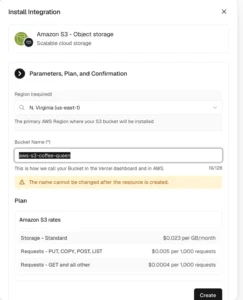
- Code Repositories: Scanned via direct GitHub integrations or secure Amazon S3 buckets located in the same AWS Region where Continuum is initialized.
- AWS Infrastructure Collectors: Deployed within specific AWS accounts and Regions, these collectors poll resource details via AWS Config and network configurations.
This dual-source approach allows Continuum to map out an organization’s topology, identifying high-value assets—such as customer data stores, payment processing pipelines, and authentication services—and tracing exact attack paths from the internet to those sensitive systems.
2. Evidence Levels and Sandbox Validation
When a vulnerability is flagged, Continuum evaluates the finding against the code and its environment context, assigning a distinct evidence level:
- Static Proven: Verdicts verified through deep static analysis of the vulnerable code path.
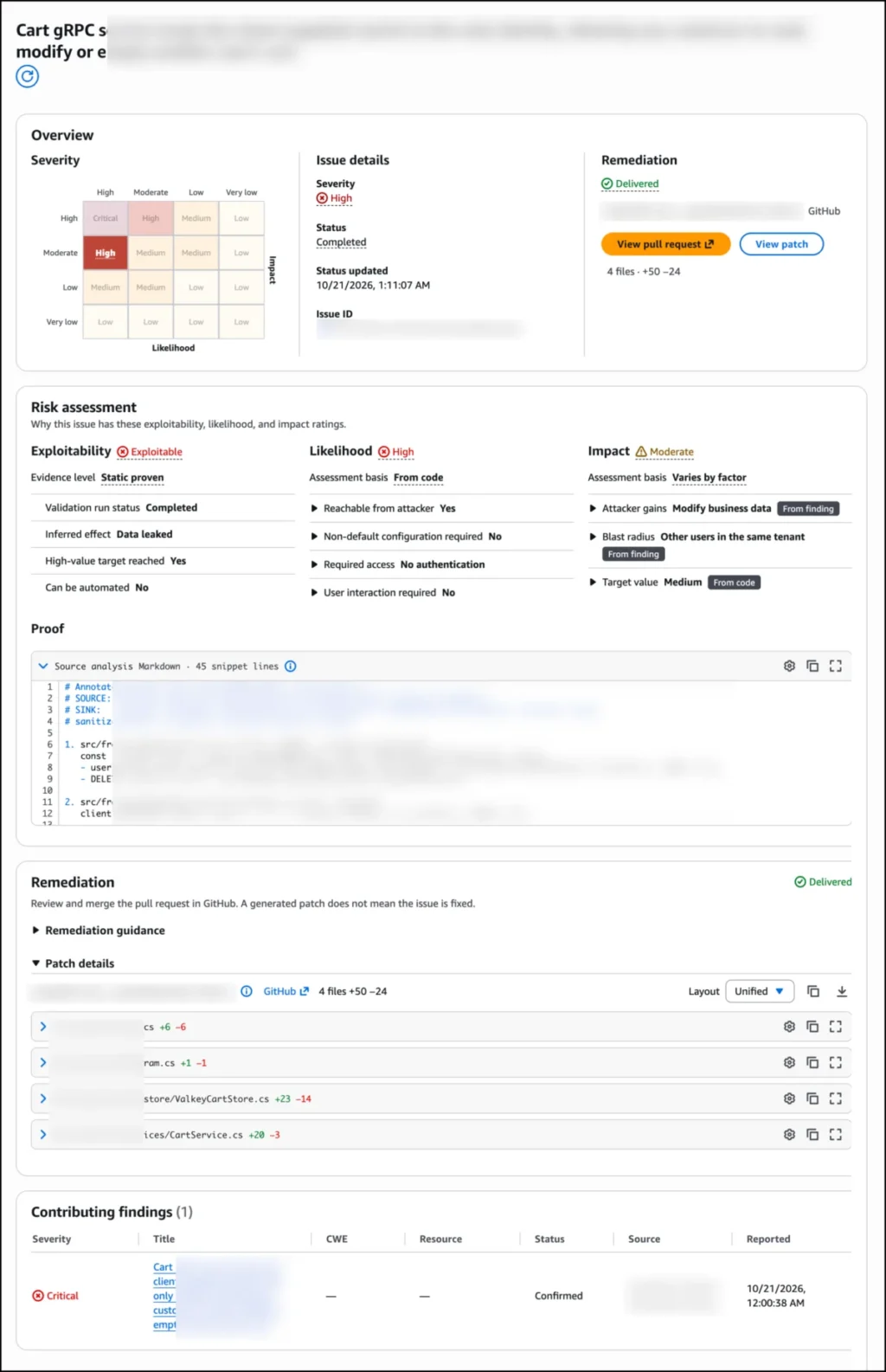
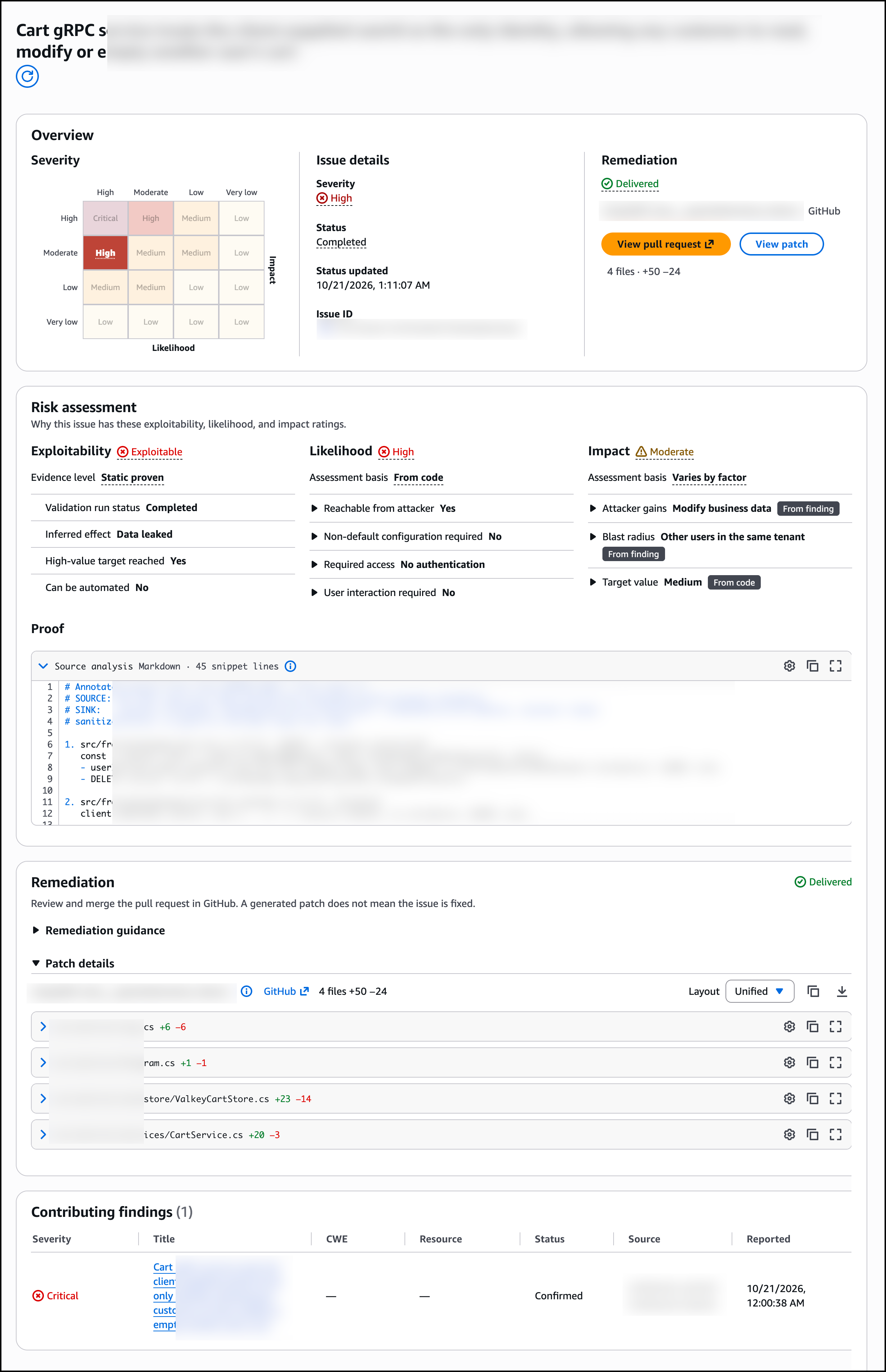
- Sandbox Reproduction: For reproducible bugs, Continuum executes the exploit in an isolated, secure sandbox environment, generating proof-of-concept steps, source analysis, and a comprehensive blast radius assessment.
3. Granular Risk Metrics
Instead of relying solely on standard severity ratings, Continuum breaks down risk into three distinct pillars:
- Exploitability: Evaluates whether the code path is reachable and can be triggered.
- Likelihood: Assesses external factors, such as whether a service requires authentication or user interaction.
- Impact: Measures potential business damage, including data modification capabilities and tenant blast radius.
4. Streamlined Pull Request Integration
Once an issue is validated, Continuum generates a precise fix (such as a multi-file code refactoring or dependency version bump) and opens a pull request. For instance, in demonstration environments tracking cart services, Continuum has successfully opened PRs addressing high-severity vulnerabilities by modifying core logic files, appending comprehensive risk summaries directly into the pull request description so developers never have to leave their GitHub workflows to verify the evidence.
Official Responses and Industry Perspectives
The release of AWS Continuum has generated significant discussion across the enterprise security and software development communities. Industry leaders have pointed out that the platform addresses one of the most stubborn bottlenecks in modern engineering: the friction between security mandates and development velocity.
"If your organization runs a large application estate, your scanners likely produce thousands of findings a day, and many of them need no action," notes AWS spokesperson Esra in the official release documentation. "Previously, confirming whether a finding was exploitable took hours of manual investigation, and shipping a fix with confidence took days of coordination across security, infrastructure, and application teams. Continuum closes that gap by proving exploitability and bounding the risk."
Security analysts emphasize that Continuum’s human-in-the-loop governance model is crucial for enterprise adoption. By refusing to apply automated patches blindly on day one, the service respects the cautious nature of software deployment pipelines while steadily building organizational trust.
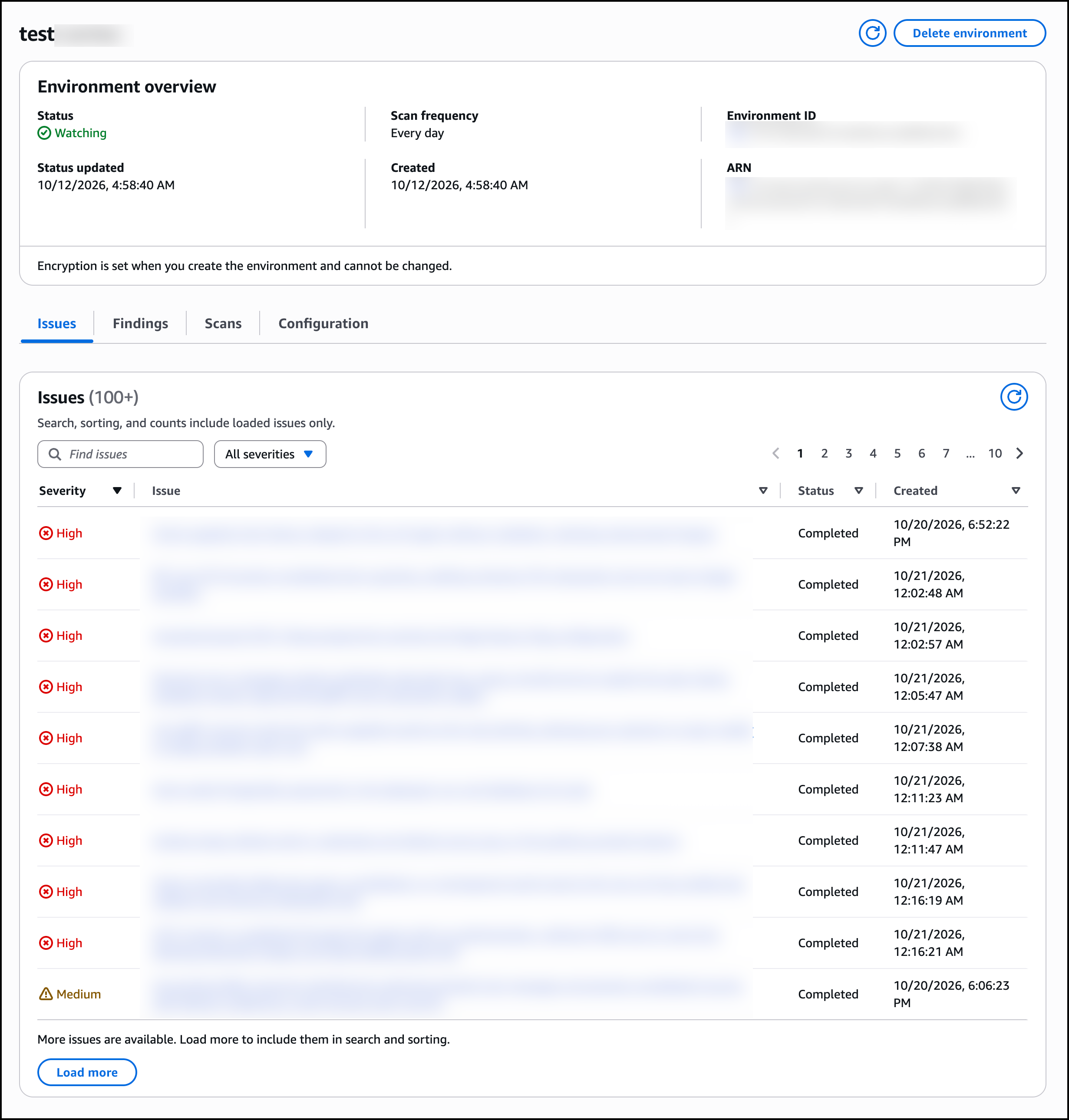
Furthermore, early enterprise adopters have highlighted the psychological relief provided by alert reduction. By filtering out unreachable vulnerabilities—those hidden behind robust runtime controls or isolated from public-facing networks—Continuum allows security teams to redirect their finite attention toward genuine, high-impact threats.
Implications for the Future of Cloud Security
The launch of AWS Continuum for code vulnerabilities signals several broader trends for the future of cloud computing and enterprise software development:
The Convergence of Security and Infrastructure Context
Historically, Application Security (AppSec) and Cloud Security Posture Management (CSPM) operated in silos. AppSec tools looked exclusively at code, while CSPM tools looked at cloud resources. AWS Continuum breaks down this artificial barrier, proving that effective vulnerability management requires a holistic understanding of how code behaves within its specific cloud deployment environment.
The Rise of Autonomous Remediation Guardrails
While AWS Continuum currently requires manual approval for every pull request, AWS has explicitly outlined plans for the future: organizations will soon be able to establish confidence gates—based on test coverage, historical success rates, and strict scope bounds—allowing Continuum to apply routine fixes autonomously. This points toward a future where self-healing codebases become standard enterprise practice, drastically shortening the Mean Time to Remediate (MTTR).
Redefining Developer and Security Collaboration
For years, security teams were often viewed as productivity blockers by developers, while security professionals viewed developers as indifferent to risk. By delivering fixes directly into native developer workflows (such as GitHub pull requests) complete with transparent proof-of-concept evidence, AWS Continuum fosters a collaborative culture of shared responsibility. Developers can review, understand, and merge security patches with the same ease as normal feature code.
Pricing and Getting Started
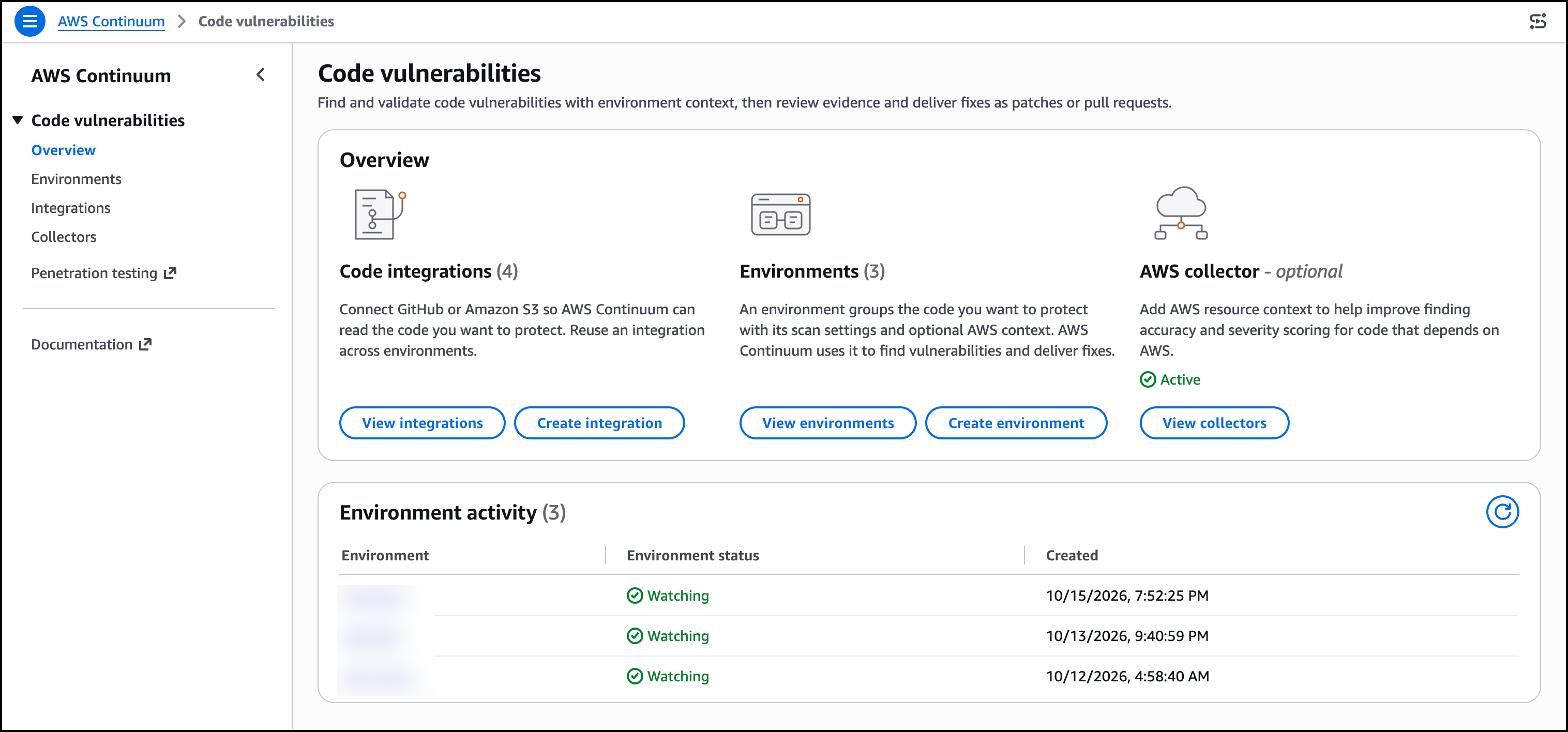
Organizations looking to implement AWS Continuum can review detailed pricing tiers on the official AWS Continuum pricing page. To begin utilizing the service, administrators can navigate to the AWS Continuum console, establish code integrations with GitHub or Amazon S3, deploy regional AWS collectors, and configure automated scanning cadences to begin shrinking their vulnerability backlogs today.