Scaling Beyond the Storefront: The Strategic Blueprint for Launching Your Own Marketplace
In the rapidly evolving landscape of digital commerce, the traditional retailer-to-consumer model is undergoing a profound transformation. While e-commerce stores have long served as the backbone of online retail, the most agile businesses are now pivoting toward a more scalable, high-growth model: the multi-vendor marketplace.
For retailers looking to amplify their reach, increase product diversity, and solidify their market position, the opportunity to transition from a single-brand merchant to a platform operator represents the new "gold standard" of growth. But how does one navigate the technical and strategic complexities of building a platform that attracts both vendors and consumers? E-Commerce Nation, in partnership with industry experts at CS-Cart, has unveiled a comprehensive masterclass designed to demystify this transition.
Main Facts: The Marketplace Advantage
At its core, a marketplace is a digital ecosystem. Unlike a standard e-commerce site where the inventory is owned and managed by a single entity, a marketplace acts as an intermediary, connecting a network of third-party vendors with a targeted audience of consumers.
The primary allure of this model lies in its inherent scalability. By allowing multiple vendors to list their products, the platform owner effectively offloads the burdens of inventory management, warehousing, and logistics—the very components that often stifle traditional retail growth.
Key takeaways from the industry discourse include:
- Diversification: Marketplaces allow for a broader product catalog without the capital expenditure associated with purchasing inventory.
- Traffic Synergy: A robust ecosystem attracts a larger volume of traffic, benefiting both the platform owner and the participating vendors.
- Operational Efficiency: Leveraging the expertise of various merchants allows the platform to specialize in niche markets while maintaining a high volume of transactions.
However, moving from a standard store to a marketplace is not merely a technical migration; it is a fundamental shift in business philosophy. It requires a robust technological foundation, a clear vendor onboarding strategy, and a commitment to quality control that ensures the end-consumer experience remains seamless.
Chronology: The Evolution of the Retail Ecosystem
The transition toward marketplace-centric commerce did not happen overnight. To understand why this strategy is now critical, one must look at the recent evolution of digital retail:
1. The Era of the Digital Storefront (2000–2010)
Early e-commerce was defined by the transition from physical brick-and-mortar stores to proprietary websites. The goal was to reach a regional or national audience by listing one’s own inventory online.
2. The Rise of the Giant Aggregators (2010–2018)
Companies like Amazon and eBay proved that the real power lay in aggregation. During this period, the marketplace model became the dominant force in global commerce, leaving smaller, independent retailers struggling to compete with the sheer variety of these platforms.
3. The Democratization of Marketplace Technology (2018–Present)
As the gap between "store owners" and "marketplace giants" widened, the demand for specialized, accessible technology grew. Providers like CS-Cart emerged to bridge this gap, offering turnkey solutions that allow independent retailers to build their own marketplaces without needing the multi-billion dollar budget of a tech conglomerate.
The recent case study featuring CS-Cart and TackleTarts marks a pivotal point in this timeline. It signifies a shift where the "marketplace model" is no longer the exclusive domain of tech giants, but a viable, strategic option for SMEs and mid-market retailers looking to reclaim their market share.
Supporting Data: Why Businesses Are Making the Switch
The decision to launch a marketplace is backed by compelling data regarding customer behavior and operational performance. Industry analysts note that:
- Conversion Rate Sensitivity: Customers are 30% more likely to return to a platform that offers a "one-stop-shop" experience for a specific category, rather than having to visit multiple boutique sites.
- Vendor Retention: Platforms that provide integrated communication and intuitive dashboard tools for their vendors see a 45% higher retention rate among third-party sellers compared to those with fragmented management systems.
- Scalability Metrics: Marketplace owners typically report a 2.5x higher growth rate in gross merchandise value (GMV) within the first 24 months of operation compared to single-vendor sites of a similar age.
These figures underscore the importance of selecting the right infrastructure. A platform is only as strong as its weakest vendor interaction. Therefore, the technology stack must support automated commission splits, secure payment processing for multiple vendors, and a transparent review system that keeps the quality of the catalog high.
Official Perspectives: Expert Insights from CS-Cart and TackleTarts
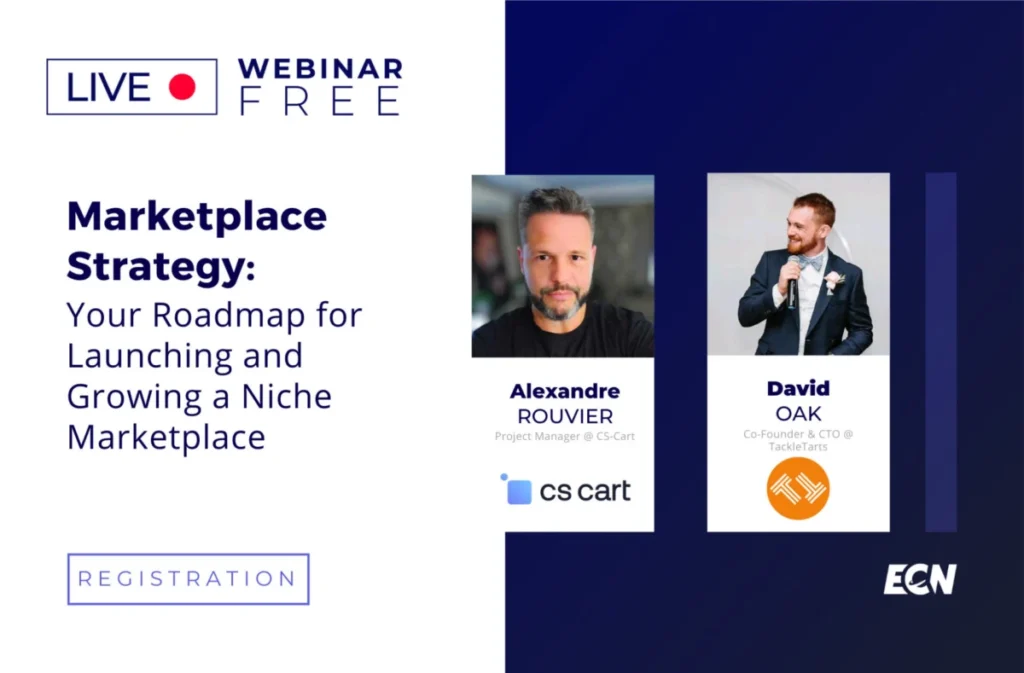
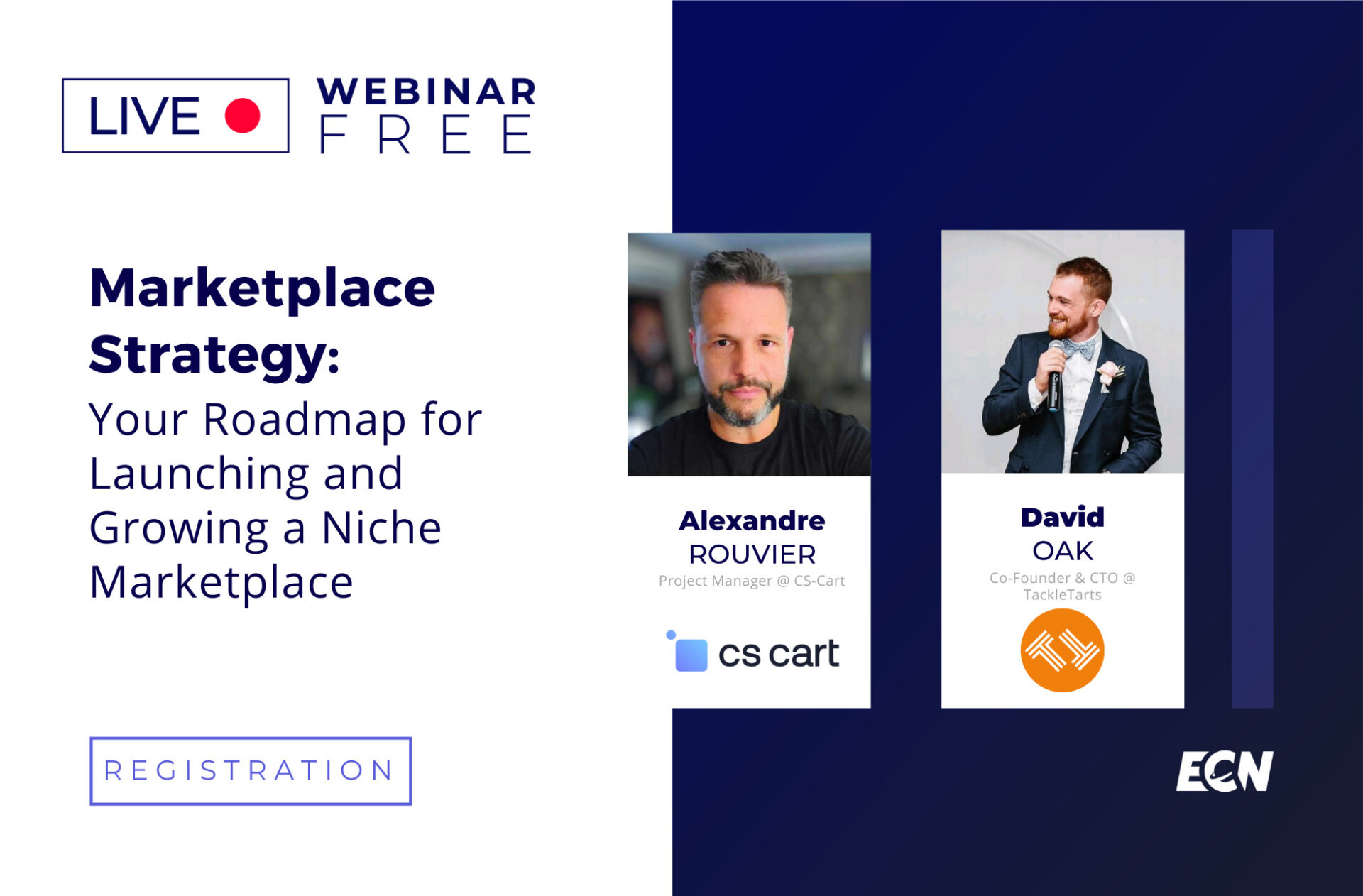
In the recent exchange moderated by E-Commerce Nation, the collaboration between CS-Cart and TackleTarts provided a roadmap for businesses navigating this transition. The discussion focused on three pillars of successful marketplace development:
1. Technology as the Foundation
The experts emphasized that attempting to build a marketplace from scratch—without specialized software—is a recipe for technical debt. "You are not just building a store; you are building an ERP, a CRM, and a payment gateway all in one," noted the CS-Cart development team. Using specialized marketplace-building tools ensures that these complex backend operations are handled securely and efficiently.
2. Cultivating the Merchant Community
A marketplace is only as good as its vendors. The discussion highlighted the importance of "curation over collection." It is better to have ten high-quality vendors who provide excellent customer service than 100 low-quality vendors who dilute the brand value. TackleTarts shared their experience in recruiting vendors who align with the platform’s specific niche, ensuring that the target consumer finds value at every click.
3. The "Collaborative Advantage"
The core of the presentation was the concept of the collaborative ecosystem. By working with other merchants, platform owners can create a "halo effect." When a consumer visits the site for a specific item, they are likely to discover related products from other vendors, increasing the average order value (AOV) and the overall lifetime value (LTV) of the customer.
Implications: The Future of the Independent Retailer
What does this mean for the future of the average retailer? The implications are twofold:
A New Standard of Competition
Retailers who refuse to explore the marketplace model risk becoming "niche captives," limited by their own inventory capacity. In contrast, those who adopt the marketplace model can respond to market trends in real-time. If a new product category gains popularity, a marketplace owner can simply invite new vendors to fill that demand rather than having to purchase, store, and ship the stock themselves.
The Power of Niche Specialization
The most successful marketplaces of the future will not be "everything stores" like Amazon. Instead, they will be hyper-specialized vertical marketplaces. Whether it is in the fishing industry—as demonstrated by TackleTarts—or in fashion, home goods, or B2B industrial supplies, the ability to curate a specialized experience is the ultimate competitive advantage.
Preparing for the Pivot
For retailers considering this transition, the roadmap is clear:
- Audit your current traffic: Do you have enough volume to attract vendors?
- Define your vertical: What is the specific niche that your marketplace will dominate?
- Choose the right architecture: Opt for a platform that allows for rapid scaling and ease of use for both admins and vendors.
- Prioritize the UX: The user experience should be indistinguishable from a single-brand site. The complexity of multiple vendors must be hidden from the customer.
Conclusion: Taking the Next Step
The transition to a marketplace model is a significant undertaking, but it is one that offers a path toward sustainable, exponential growth. By leveraging the expertise provided by industry leaders and utilizing robust, purpose-built technology, retailers can effectively evolve from being a single link in the supply chain to becoming the owners of the entire chain.
For those ready to explore this transformation, the resources provided by the E-Commerce Nation team, including the detailed replay of the CS-Cart and TackleTarts exchange, offer the necessary guidance to begin. Whether you are a small business owner looking to expand or an established enterprise seeking to optimize your digital operations, the marketplace model is no longer a "future" strategy—it is the strategy of the present.
Register today to access the full replay and discover the exact technical and strategic steps required to launch your own thriving marketplace. By understanding the nuances of vendor collaboration, technological integration, and brand curation, you can ensure your business remains at the forefront of the e-commerce revolution.