The Sunset of a Titan: OnePlus’s Imminent Global Retreat and the Shifting Landscape of BBK Electronics
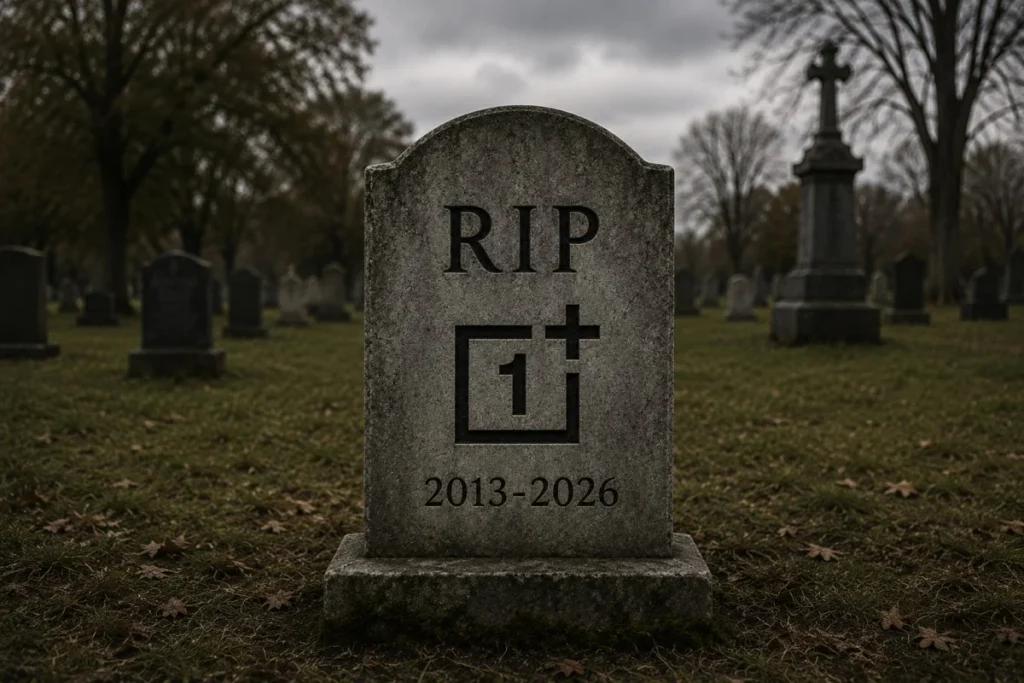
The global smartphone market is bracing for a seismic shift. In a development that has sent shockwaves through the tech industry, multiple high-profile reports have coalesced around a singular, sobering conclusion: OnePlus, once the darling of the "enthusiast" smartphone segment, is preparing to wind down its operations in the United States and Europe.
What began as whispers from industry insiders earlier this week has now gained institutional credibility. Mark Gurman, the widely respected Bloomberg journalist, has corroborated these reports, providing a far more grim timeline than previously anticipated. If these reports hold true, the "Never Settle" ethos that defined the brand’s meteoric rise is being traded for a strategy of consolidation—one that sees the company retreating into its domestic Chinese stronghold.
Main Facts: A Global Strategic Pivot
The core of this developing story is a radical restructuring of the BBK Electronics ecosystem. For years, OnePlus has operated as a premium sub-brand under the Oppo umbrella, leveraging shared supply chains, R&D, and manufacturing. However, the current strategy appears to be one of drastic simplification.
According to the latest reporting, OnePlus is not merely pausing operations in Western markets; it is preparing for a total withdrawal. This move is reportedly scheduled to begin immediately, with a phased cessation of sales and support activities across the US and Europe expected to conclude within the coming weeks.
Perhaps more shocking is the long-term roadmap. Sources indicate that by 2027, the OnePlus brand will exist almost exclusively within the People’s Republic of China. This includes a full exit from the Indian market—a region that has historically served as the company’s most lucrative stronghold. The irony of this is stark, given that only recently, the company unveiled the OnePlus N6 and began a promotional campaign for a new iteration in that series. To initiate a product launch cycle while simultaneously planning a regional exit suggests a level of internal volatility that has left industry analysts baffled.
Chronology: The Erosion of a Legacy
To understand how we arrived at this juncture, one must look at the trajectory of OnePlus over the last decade.
2014–2017: The "Flagship Killer" Era
OnePlus launched with a disruptive model: high-end specifications at half the price of incumbents like Samsung and Apple. The scarcity marketing of the original OnePlus One created an aura of exclusivity, fostering a fiercely loyal community of power users and tech enthusiasts.
2018–2021: The Pivot to Mainstream
As the brand grew, it shifted from being a niche, invite-only operation to a mainstream player. The introduction of the "Pro" series and a tighter integration with Oppo’s ColorOS signaled a change in philosophy. During this period, the brand expanded aggressively into the US market through carrier partnerships with T-Mobile and Verizon, signaling a departure from its "online-only" roots.
2022–2025: The Mid-Range Saturation
The last three years have seen the market landscape transform. Intense competition from Xiaomi, Vivo, and Google’s Pixel lineup squeezed the margins for mid-to-high-tier devices. Reports suggest that OnePlus struggled to maintain its identity as a "premium" brand while attempting to capture the budget-conscious consumer through the Nord series.
July 2026: The Breaking Point
This week, the timeline accelerated. Reports surfaced that the US and European operations were being liquidated. The confirmation by Bloomberg yesterday served as the definitive marker that this is no longer a rumor, but an active corporate policy.
Supporting Data: Why Now?
The decision to retreat is rarely driven by a single factor, but rather a convergence of economic pressures.
- Macroeconomic Headwinds: The global smartphone market has seen a stagnation in growth. With consumers holding onto their devices for longer periods (often 3–4 years), the replacement cycle has slowed significantly.
- Regulatory Hurdles: The European Union’s increasingly stringent digital regulations and the ongoing intellectual property disputes in various jurisdictions have made the cost of doing business in Western markets disproportionately high for Chinese OEMs.
- Resource Consolidation: Within the BBK corporate structure, there is a clear push to optimize resources. By folding the international presence of OnePlus, the parent group can funnel R&D and marketing capital into markets where they maintain a higher market share and stronger brand loyalty—specifically China.
- The Realme Factor: In a move that mirrors the OnePlus restructuring, reports suggest that Realme—another Oppo sub-brand—will be exiting the Chinese market entirely. This "swap" of sorts suggests that BBK is trying to define clear, non-overlapping lanes for its portfolio, a strategy that seems to prioritize regional dominance over global ubiquity.
Official Responses: The Silence of the Brands
As of the time of this writing, both OnePlus and its parent company, Oppo, have remained conspicuously silent. This lack of a public denial is, in the eyes of industry veterans, the most telling sign.
In corporate communications, a rumor that threatens to destabilize sales—such as a market exit—is usually met with a swift, categorical denial to prevent panic among retail partners and consumers. The absence of such a statement from OnePlus leadership suggests that the internal wheels of this exit are already in motion. PR teams are likely preparing "wind-down" messaging, focusing on long-term software support for existing users while halting new hardware inventory shipments.
The community forums, which once served as the beating heart of OnePlus, have turned into hubs of speculation and frustration. Users who invested in the brand’s ecosystem are expressing concern over future updates, warranty fulfillment, and the longevity of their devices.
Implications: A New Era for Global Mobile
The potential departure of OnePlus from the global stage has profound implications for the mobile industry.
For the Consumer
The immediate casualty is competition. OnePlus provided a unique value proposition that bridged the gap between enthusiast-grade hardware and consumer-friendly software. Without this pressure, the mid-to-premium segment in the US and Europe risks becoming a duopoly dominated by Samsung and Apple, with Google serving as the only significant third-party alternative.
For the Indian Market
The withdrawal from India is perhaps the most significant blow. For years, OnePlus has been the aspirational brand for the Indian middle class. The departure will leave a massive vacuum in the market, one that local players and rivals like Xiaomi will undoubtedly race to fill. However, the loss of the "OnePlus experience" will likely be felt deeply by a demographic that has grown accustomed to the brand’s specific blend of performance and design.
For the BBK Strategy
This shift signals the end of the "Global Expansion" era for many Chinese tech giants. We are entering a period of "Digital Protectionism," where companies are retreating to safer, more familiar domestic markets to hedge against geopolitical tensions and slowing global demand.
Conclusion: The Final Chapter
The story of OnePlus is a classic Silicon Valley-style narrative with a Chinese twist: a rapid ascent, an identity crisis, and now, a quiet, strategic retreat. Whether this is truly the final week for the brand in the West remains to be seen, but the writing on the wall is becoming impossible to ignore.
For the loyalists, the tech enthusiasts, and the casual observers, the coming days will be critical. We are waiting for the final word—a press release that will likely signal the end of an era. As OnePlus prepares to pull the plug on its international ambitions, the industry is left to wonder: who will be the next to exit, and who will be left to challenge the giants?
For now, all eyes are on the official channels. If the history of the tech industry has taught us anything, it is that brands rarely disappear without a fight, but they rarely stay when the economics no longer align. OnePlus appears to have reached that inevitable intersection.