The Evolution of the Harrier: Deep Dive into Tata’s New Hyperion-Powered SUV
By Lakshya Rana
Updated: July 17, 2026, 10:40 AM IST
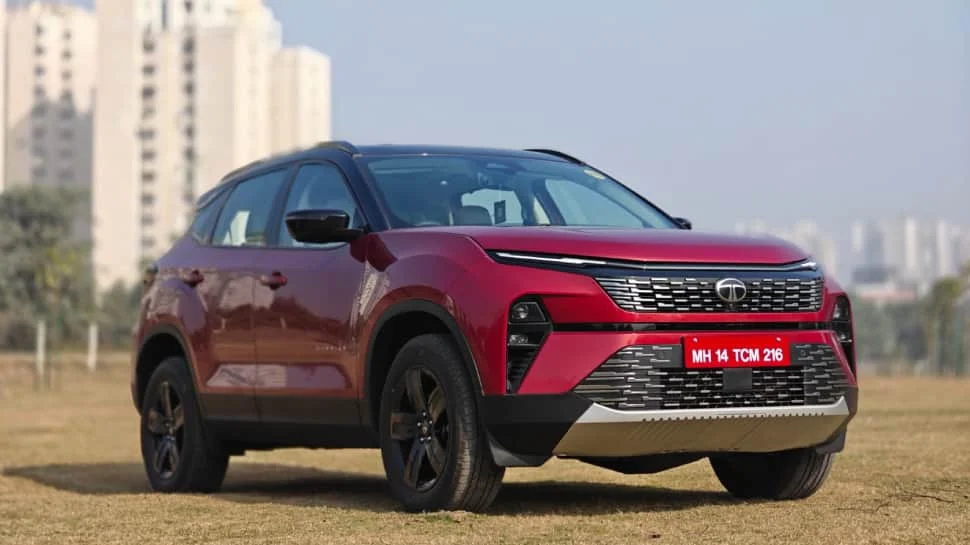
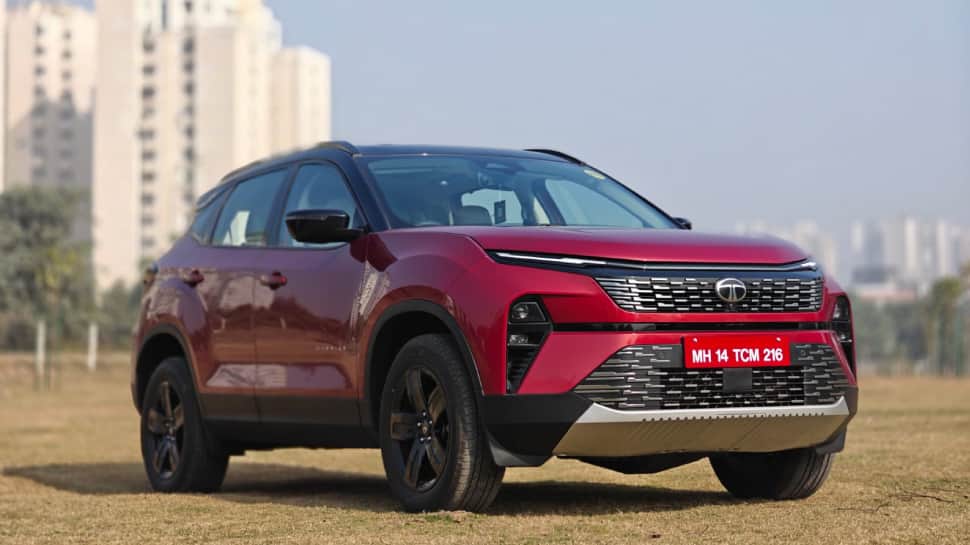
The Indian automotive landscape is witnessing a significant shift as Tata Motors officially expands its flagship SUV portfolio. For years, the Harrier has been synonymous with robust diesel performance, acting as a powerhouse in the mid-size SUV segment. However, changing consumer preferences, evolving emission norms, and the demand for refined, high-performance petrol powertrains have finally led to a landmark moment: the introduction of the Tata Harrier petrol.
At the heart of this new iteration lies the Hyperion 1.5-litre turbo-petrol engine. This powerplant, which made its highly anticipated debut in the Tata Sierra, has been meticulously recalibrated to suit the distinct weight and driving dynamics of the Harrier. As enthusiasts and potential buyers evaluate this move, it is essential to look at the engineering, the strategy, and the implications of this shift.
Main Facts: The Hyperion Heart
The most significant change in the 2026 Tata Harrier is the transition from a diesel-only lineage to a multi-fuel architecture. The Hyperion 1.5-litre turbo-petrol unit is a state-of-the-art engine designed to deliver a balance of power, efficiency, and refinement.
Unlike the diesel engine, which is celebrated for its low-end torque, the Hyperion engine is engineered for high-revving performance. By retuning the engine specifically for the Harrier, Tata Motors aims to eliminate the "lag" often associated with heavy SUVs powered by smaller petrol engines. The result is a vehicle that feels lighter, more agile in urban traffic, and significantly quieter at idle.
Key specifications suggest a focus on drivability. With the turbocharger integrated to provide a flat torque curve, the Harrier petrol promises to maintain its "boss" status on the highway while offering the smoothness that petrol buyers prioritize.
Chronology: A Journey Toward Petrol
The arrival of the petrol Harrier was not an overnight decision; it is the culmination of a multi-year product roadmap.
- Early 2023: Tata Motors signals a move toward modular engine platforms, with the "Hyperion" project surfacing in industry reports.
- Late 2024: The Tata Sierra Concept gains massive traction at the Auto Expo, showcasing the 1.5-litre turbo-petrol engine for the first time.
- Mid-2025: Beta testing of the petrol-powered Harrier begins on public roads, with spy shots revealing distinct exhaust signatures and engine refinement improvements.
- Early 2026: Tata Motors confirms that the Harrier’s platform (OMEGARC) is fully capable of housing the Hyperion engine without compromising structural integrity or cabin space.
- July 17, 2026: The official announcement of the Harrier petrol variant, marking a strategic pivot in the company’s premium SUV strategy.
Supporting Data: Why Hyperion?
The decision to utilize the Hyperion engine is rooted in both engineering efficiency and market data. Industry trends show a clear migration of buyers from diesel to petrol, especially in metropolitan areas where the "10-year rule" for diesel vehicles (in Delhi-NCR) has created a sense of uncertainty among prospective buyers.
Technical Performance Matrix
The Hyperion 1.5-litre engine is designed for:
- Thermal Efficiency: The engine utilizes a high-pressure direct injection system to extract maximum power from every drop of fuel.
- NVH Levels: Noise, Vibration, and Harshness (NVH) have been a focal point. With the Harrier’s premium positioning, the petrol engine provides a cabin experience that is significantly more serene than its diesel counterpart.
- Weight Optimization: By using lightweight alloy materials for the engine block, Tata has managed to keep the kerb weight of the Harrier manageable, ensuring that the power-to-weight ratio remains competitive against rivals like the Mahindra XUV700 and the Hyundai Alcazar.
Official Responses and Strategic Intent
While Tata Motors has kept the specifics of the production timeline under wraps, internal sources suggest that the retuning process for the Harrier was "the most rigorous" the engineering team has undertaken.
"The goal was never just to drop an engine into a chassis," says a senior spokesperson for Tata Motors. "The Harrier has a specific character—it is bold, it is muscular, and it commands the road. The Hyperion engine needed to embody that same character. We spent over 18 months tuning the transmission mapping and the turbo-boost profiles to ensure that when a driver presses the pedal, they feel the immediate, punchy response expected from a Tata SUV."
This move also signals Tata’s commitment to "Power of Choice." By offering both diesel and petrol options, Tata is insulating itself against fluctuations in fuel prices and shifting regulatory environments.
Implications: The Changing SUV Landscape
The introduction of the petrol Harrier has several far-reaching implications for the Indian automotive industry.
1. Market Competition
The mid-size SUV segment is currently one of the most fiercely contested in India. With the petrol Harrier, Tata is directly taking on the market leaders. This forces competitors to rethink their pricing and feature strategies. We can expect a "feature war" to follow, as Tata continues to bundle the petrol variant with its top-tier ADAS (Advanced Driver Assistance Systems) and infotainment suites.
2. The Resale Value Factor
Historically, diesel SUVs held higher resale values in India. However, with the rise of petrol-friendly policies and the decreasing gap between petrol and diesel prices, the introduction of a petrol Harrier is likely to stabilize the resale market. Buyers who were previously hesitant to invest in a diesel vehicle due to longevity concerns now have a compelling, long-term ownership option.
3. Future-Proofing
The Hyperion engine is designed to be future-ready. Industry experts believe that this engine architecture is capable of supporting mild-hybrid integration in the coming years. This suggests that the 2026 Harrier is not just a one-off update, but a platform that will evolve alongside global electrification trends.
Expert Analysis: The Verdict
The transition to a 1.5-litre turbo-petrol engine is a calculated risk that appears to be paying off even before the first units hit the showrooms. The Harrier has always been a "heart-over-head" purchase for many—a car people buy because they love its road presence. By offering a petrol engine, Tata is finally making it a "head-over-heart" purchase as well, satisfying the logic-driven buyer who prioritizes refinement and long-term ownership.
However, the real test will lie in the fuel efficiency numbers. Turbo-petrol engines, while powerful, can be thirsty when pushed hard. If Tata has managed to balance the "fun-to-drive" factor with reasonable fuel economy, they will have a winner on their hands.
Conclusion: A New Chapter
As we look toward the second half of 2026, the Tata Harrier stands at a crossroads. It has successfully moved past the "diesel-only" perception and entered a new era of versatile performance. For those who have been waiting for a petrol-powered Harrier, the wait seems justified. The Hyperion engine isn’t just an addition; it is an evolution that ensures the Harrier remains a dominant force in the Indian SUV hierarchy.
Whether you are an enthusiast looking for power or a family buyer looking for a reliable, smooth, and modern daily driver, the new Harrier petrol warrants a test drive. It is a bold step, a refined machine, and a clear signal that Tata Motors is listening to the heartbeat of the modern Indian consumer.
Disclaimer: This report is based on current product announcements and industry insights as of July 2026. For detailed specifications and regional pricing, please visit your nearest Tata Motors dealership or the official website.