AWS Weekly Review: Community Engagement in Seoul and New AI-Driven Developer Tooling
Introduction: Bridging Global Developer Communities
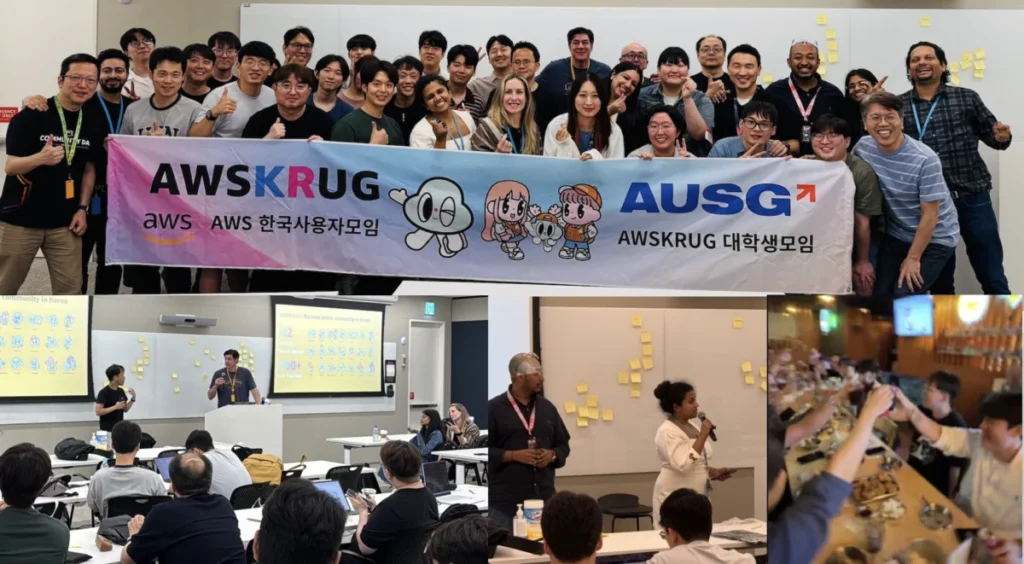
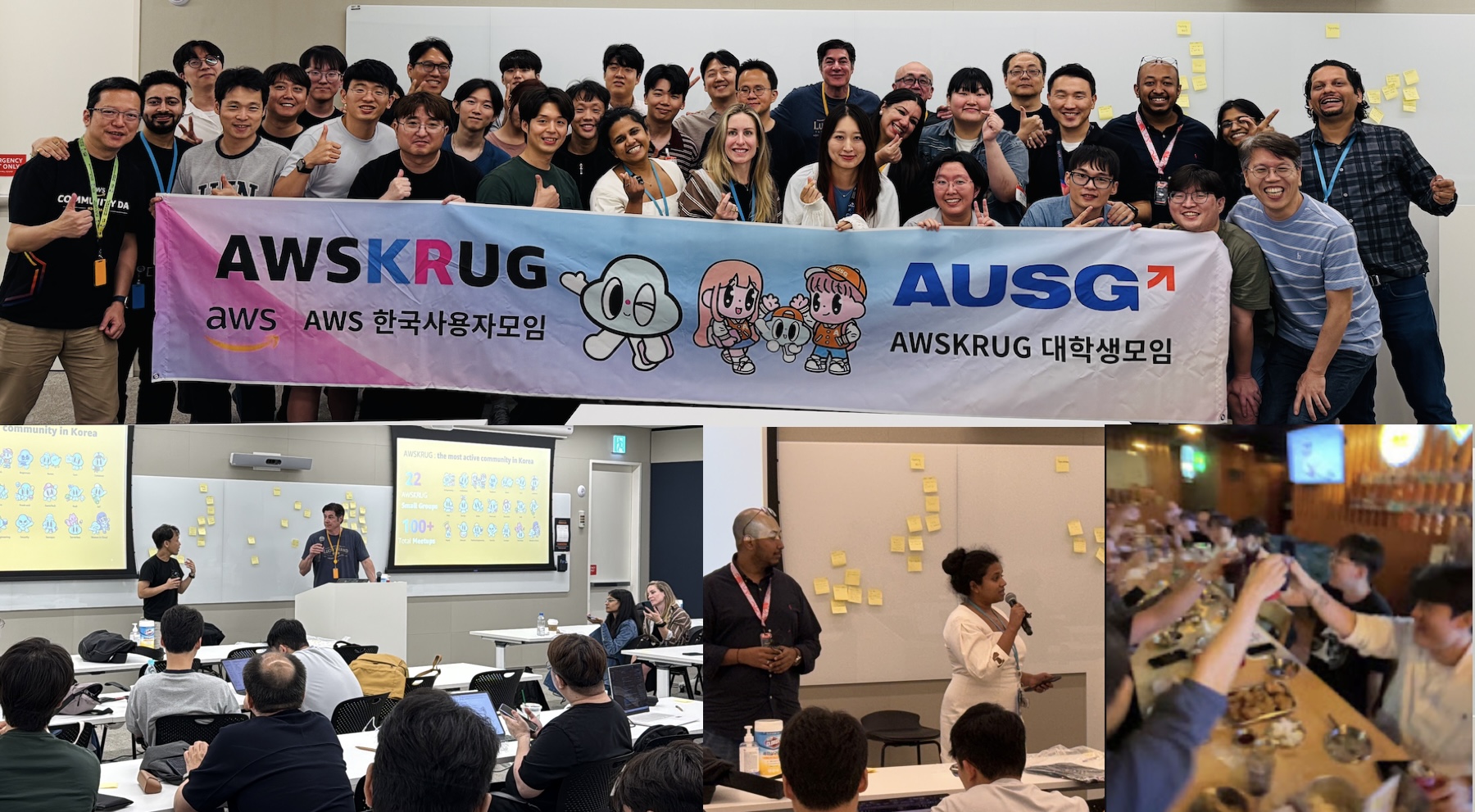
In the fast-evolving landscape of cloud computing, the heartbeat of innovation remains the developer community. Last week, the Amazon Web Services (AWS) Developer Experience team underscored this commitment by traveling to Seoul, South Korea, to engage directly with the leadership of the AWS Korea User Group (AWSKRUG).
AWSKRUG stands as a pillar of the global cloud community, representing the largest cloud developer cohort in Korea. With a decentralized structure consisting of 20 distinct meetup groups categorized by technical focus and geographic region, the organization facilitates over 100 events annually. This high frequency of engagement provides a critical feedback loop for AWS, allowing the company to align its service roadmap with the real-world needs of engineers.
The visit served as a vital forum for transparent dialogue. Leaders from AWSKRUG candidly reviewed the successes and challenges faced during the first half of the year, providing specific requirements to the AWS team. Beyond the boardroom, the visit highlighted the importance of cultural integration in tech, featuring a session of "Chimaek"—the Korean tradition of pairing fried chicken with beer—which serves as a metaphor for the collaborative, informal culture that drives modern open-source and cloud communities.
The Spotlight: Streamlining AI-Assisted Serverless Development
While community engagement took center stage, the technical highlight of the week was a significant advancement in AI-augmented infrastructure management. AWS has introduced a "one-click" Lambda setup prompt designed to drastically lower the barrier to entry for developers utilizing coding agents.
The Problem: Complexity in Agent Configuration
Modern coding agents—such as Claude Code, Kiro, Cursor, GitHub Copilot, Codex, and Devin Desktop—are increasingly becoming the primary interface through which developers write and maintain code. However, configuring these agents to adhere to cloud-native best practices has historically been a fragmented process. Developers often struggle to manually bridge the gap between their AI agents and the granular security and architectural requirements of AWS Lambda.
The Solution: One-Click Integration
The newly launched setup prompt addresses this by pre-configuring agents with specific AWS Serverless skills and the Serverless Model Context Protocol (MCP) server. By embedding serverless best practices directly into the initialization phase, the prompt ensures that the generated code is inherently more secure, efficient, and aligned with AWS architecture.
To implement this, developers can now select the "Copy agent prompt" button within the AWS Lambda console. Alternatively, they may fetch the configuration directly via:
fetch https://docs.aws.amazon.com/lambda/latest/dg/samples/aws-lambda-agent-setup.md
By pasting this URL into a preferred AI agent, the agent instantly gains the context necessary to deploy and manage Lambda functions. Furthermore, for users requiring deep, real-time knowledge and safe resource access, the Agent Toolkit for AWS serves as a robust companion. By installing the AWS MCP Server, developers can ensure their coding agents operate with current, authorized knowledge of the AWS ecosystem, reducing the likelihood of hallucinated or non-compliant infrastructure code.
Chronology: A Week of AWS Developments
The operational week for AWS was marked by a blend of community-building exercises and critical system maintenance. Below is the timeline of the most significant events:
- Mid-Week: Community Summit (Seoul): The AWS Developer Experience team met with AWSKRUG leaders to discuss community health and infrastructure-as-code requirements.
- Late-Week: AI Tooling Launch: The rollout of the Lambda-agent setup prompt, designed to integrate seamlessly with IDEs like Cursor and platforms like GitHub Copilot.
- Weekend: Operational Anomaly: A significant, albeit transient, disruption in the reporting of billing data via AWS Cost Explorer, causing concern for customers regarding budget accuracy.
Supporting Data: The Value of Community Feedback
The engagement with AWSKRUG is not merely a public relations gesture; it is a data-driven strategy. AWS relies on these metrics to gauge the health of its ecosystem:
- Event Density: 100+ events per year within a single national market (Korea) indicates a high degree of maturity in cloud adoption.
- Specialization: The 20 distinct sub-groups allow AWS to gather granular feedback on specific services—ranging from database migration to machine learning—rather than relying on generalized sentiment.
- Efficiency Gains: The move toward agent-based infrastructure (as seen in the new Lambda prompt) is a direct response to developer demand for reduced "boilerplate" code and faster deployment cycles.
Official Response: Addressing the Cost Explorer Discrepancy
Not every event in the AWS ecosystem was celebratory. Over the past weekend, a subset of customers encountered a distressing issue: AWS Cost Explorer displayed inaccurate estimated billing data.
The Nature of the Incident
For a period during the weekend, the billing dashboard provided inflated estimates for cost and usage. Consequently, this triggered automated, erroneous budget alerts and cost anomaly detection warnings. For organizations relying on real-time financial tracking to maintain operational budgets, the alarm caused by these incorrect notifications was significant.

Remediation and Retrospective
AWS engineers successfully identified and resolved the root cause of the display error. In an official statement, AWS confirmed that the services were, and remain, operating normally. The company expressed regret for the disruption and provided the following assurances:
- Immediate Resolution: The dashboard data has been corrected, and historical billing data remains intact and accurate.
- Root Cause Analysis (RCA): A thorough retrospective is currently underway. This process aims to identify why the billing metrics were miscalculated and, more importantly, why the alert systems failed to verify the data integrity before notifying users.
- Enhanced Monitoring: AWS has committed to improving the response protocol for billing-related incidents, ensuring that future discrepancies are caught by internal monitoring before they manifest in user-facing dashboards.
Customers seeking detailed status updates or information regarding specific event IDs can refer to the AWS Health Dashboard.
Implications for the Future of Development
The developments of the past week highlight a major shift in the "Developer Experience" (DevEx) paradigm.
The AI-Native Infrastructure Era
The introduction of the Lambda agent setup prompt signals that AWS is moving toward an "Agent-First" development lifecycle. By standardizing the way AI agents interact with AWS services through the Model Context Protocol (MCP), AWS is effectively creating a universal language for cloud-AI communication. This will likely lead to a decline in manual infrastructure configuration tasks, allowing developers to focus on high-level business logic.
Community-Led Roadmap
The visit to Seoul underscores that as cloud services become more complex, the role of the user community becomes more critical. By listening to the "honest feedback" of groups like AWSKRUG, AWS can pivot its development priorities to solve friction points—such as the setup process for new tools—before they become widespread pain points.
Resilience as a Product
The billing incident serves as a stark reminder of the criticality of transparency. While the technical issue was resolved, the reputational impact of "erroneous alerts" is a lesson in the fragility of automated trust. Moving forward, AWS’s ability to prevent these types of false alarms will be just as important to its enterprise customers as the performance of its underlying serverless infrastructure.
Conclusion
As we look toward the remainder of the year, it is clear that AWS is focusing on two primary pillars: AI-driven automation and community-centric design. The integration of coding agents into the Lambda console is a herald of a more automated future, while the continued support of regional user groups ensures that this future is built on a foundation of real-world requirements.
For developers, the call to action is clear: engage with the tools like the Agent Toolkit, participate in local meetups, and keep a watchful eye on the What’s New with AWS page for upcoming updates that promise to refine the developer experience even further.
For further engagement, builders are encouraged to connect via the AWS Builder Center to share solutions and access developer-focused content.