Beyond the Prompt: Building Professional-Grade AI Image and Video Systems for Modern Marketing
In the rapidly evolving landscape of digital marketing, a significant gap has emerged between the polished, cinematic AI demonstrations showcased by tech giants and the often "flat" or inconsistent results produced by the average marketing team. As generative AI transitions from a novelty to a core business requirement, the industry is shifting its focus from simple prompting to the construction of robust, repeatable workflows.
The current challenge for marketers is no longer just accessing AI—it is the industrialization of the creative process. According to Jerrod Lew, a prominent AI educator and creative strategist, the "one-button miracle" remains a myth. Professional-quality output requires a synthesis of human creative vision, foundational brand guidelines, and a multi-stage technical pipeline that treats AI tools more like a professional suite—such as Adobe Premiere Pro—than a magic wand.
Main Facts: The Shift Toward Systematic AI Production
The primary obstacle to AI adoption in professional marketing is the lack of consistency. While an AI model might generate one stunning image, producing a series of ten images that maintain the same character likeness, lighting, and brand aesthetic is notoriously difficult. To solve this, the industry is moving toward "node-based" environments and "multimodal" models that allow for granular control over every frame and pixel.
Key developments in this space include:
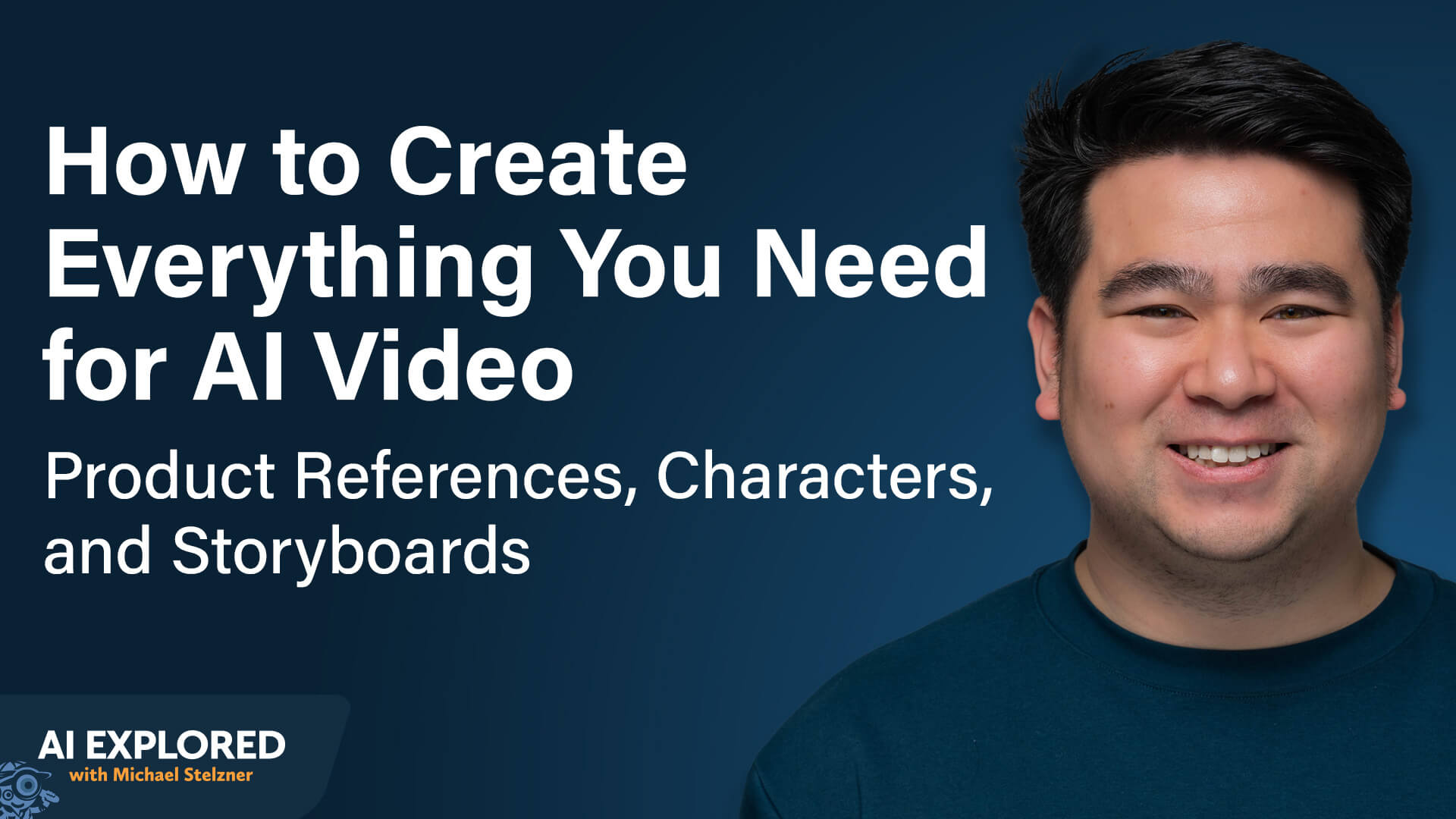
- The Rise of Aggregators: Platforms like Magnific (formerly Freepik) are replacing single-tool subscriptions by offering API-integrated environments where multiple models (Imagen, ChatGPT, Kling) can work in parallel.
- Temporal and Character Consistency: New models such as Kling 3.0 and Seedance 2.0 have set new benchmarks for maintaining human likeness across different scenes, solving the "uncanny valley" problem that plagued earlier AI video efforts.
- Conversational Creative Direction: Google’s recent updates to Flow and Omni Flash suggest a future where marketers act as creative directors, using natural language to perform complex edits—such as removing objects or altering lighting—rather than manually tweaking parameters.
Chronology: From Single Prompts to Automated Workflows
The evolution of AI in marketing can be traced through three distinct phases of technical maturity.
Phase 1: The Experimental Prompt (2022–2023)
In the early stages, marketers focused on "prompt engineering." Success was largely accidental, and the output was used primarily for internal brainstorming or low-stakes social media posts. The tools were siloed, and the concept of a "workflow" was non-existent.
Phase 2: The Multi-Tool Pipeline (2024–2025)
As tools like Midjourney and Sora gained prominence, marketers began "daisy-chaining" software. A creator might generate an image in one tool, upscale it in another, and attempt to animate it in a third. While this improved quality, it remained labor-intensive and difficult to scale.
Phase 3: The Integrated Ecosystem (2026 and Beyond)
With the introduction of Google Flow and the "Spaces" environment in Magnific, the industry has entered the era of automated sequences. We are seeing the emergence of project-based creative environments where brand guidelines, character references, and multiple AI models exist within a single, shareable ecosystem. This allows for the bulk generation of assets—such as thirty YouTube thumbnails generated simultaneously—while maintaining a strict adherence to a pre-defined visual identity.

Supporting Data: The 2026 AI Toolset and Strategic Framework
To build a reliable content system, marketers must navigate a complex array of specialized tools. Jerrod Lew categorizes the current leaders in the field based on their specific utility within a professional workflow.
The Video Powerhouse: Seedance and Kling
ByteDance’s Seedance 2.0 has emerged as a frontrunner due to its multimodal input capabilities. Unlike earlier models that only accepted text, Seedance integrates text, reference images, existing footage, and music. Crucially, it generates synchronized audio and dialogue, making the output "production-ready."
In parallel, Kling 3.0 has become the industry standard for character consistency. It is the first model to credibly generate realistic video of real people from reference photos at 1080p and 4K resolutions, allowing brands to use "virtual ambassadors" or consistent human characters across an entire campaign.
The Image Leaders: Google and OpenAI
For static imagery, the competition has narrowed to Google’s Imagen 2 and ChatGPT Images 2.0. While both offer high-fidelity visuals, ChatGPT Images has taken a lead in marketing utility due to its superior text rendering. This allows marketers to generate storyboards, character sheets, and graphics with coherent text overlays—a task that was previously a major technical hurdle for AI.
The Strategic Five-Step Workflow
Successful AI implementation follows a rigorous five-step process designed to eliminate randomness:
- Establish the Brand Foundation: Before utilizing AI, brands must use tools like CoreDesigner to synthesize existing assets (logos, palettes, fonts) into a digital style guide. This ensures the AI has a "source of truth" to reference.
- Build Reference Assets: Instead of prompting for a "man in a suit," creators build "Character Sheets"—composite images showing a subject from multiple angles and with various expressions. Similarly, "Product Sheets" are created to ensure a product’s form remains consistent across different environments.
- Storyboard with Images: Video is resource-heavy. Professional workflows involve generating approximately 100 images to find the perfect visual direction before a single second of video is rendered.
- Generate Video from Images: By feeding high-quality reference images into models like Seedance, the text prompt is freed from describing the scene and can focus exclusively on "camera movement and action."
- Targeted Editing: Using multimodal models like Google Omni Flash, creators can perform "surgical" edits—removing a background car or changing a character’s shirt—without needing to regenerate the entire video.
Official Responses and Expert Perspectives
Jerrod Lew emphasizes that the "human element" is not being replaced but is being moved "upstream" in the creative process. "The polished clips in AI tool launch videos are typically made by people with professional film backgrounds who have spent hours on them," Lew notes. "They had a creative vision before they ever opened the software."
Industry analysts suggest that the primary value of these new workflows is the removal of the "technical barrier." A marketer with a strong narrative sense but no formal training in After Effects can now produce cinema-quality visuals. However, this democratization of tools places a higher premium on original strategy and storytelling.
The shift toward platform aggregators like Magnific also reflects a growing business sentiment: "Don’t lock money into a single-tool subscription." By using API-based platforms, marketing departments can swap models as soon as a better one becomes available, ensuring their tech stack never becomes obsolete in a field where the "state of the art" changes monthly.
Implications for the Marketing Industry
The industrialization of AI creative workflows has profound implications for the structure of marketing teams and the economics of content production.
1. The Redefinition of Creative Roles
The traditional divide between "copywriters" and "art directors" is blurring. We are seeing the rise of the "AI Creative Technologist"—an individual who understands the narrative needs of a brand and can build the node-based workflows required to execute them. Creative direction is becoming more about "curation and orchestration" than manual execution.
2. Efficiency and Scalability
The ability to run 30 iterations of a visual concept simultaneously allows for a level of A/B testing previously impossible. Brands can now tailor visual content to hyper-specific audience segments without a linear increase in production costs. For example, a single product launch can have 50 different video variations, each styled to appeal to a different demographic, all generated from the same foundational "Product Sheet."
3. The "Consistency Premium"
As the internet becomes flooded with generic, low-effort AI content, the market value of "brand-consistent" content will rise. Consumers are becoming adept at spotting "lazy AI." Therefore, the brands that invest in the foundational work—character sheets, design systems, and structured storyboarding—will stand out by maintaining a professional aesthetic that feels intentional rather than algorithmic.
4. Integration with the Broader Workspace
Google’s move to integrate Omni Flash across Google Docs and Slides suggests that AI video and image generation will soon move out of specialized creative departments and into general office productivity. This will necessitate a company-wide literacy in AI brand guidelines to prevent a fragmentation of the brand’s visual identity.
In conclusion, the transition from AI as a "toy" to AI as a "tool" is complete. For marketers, the path forward lies in moving away from the search for the "perfect prompt" and toward the construction of sophisticated, multi-layered systems. As Jerrod Lew suggests, the future belongs to those who provide the direction, not just those who press the button.