The Bitter End: Ankur Jain Exits Bira 91 as Craft Beer Pioneer Navigates Financial Storm
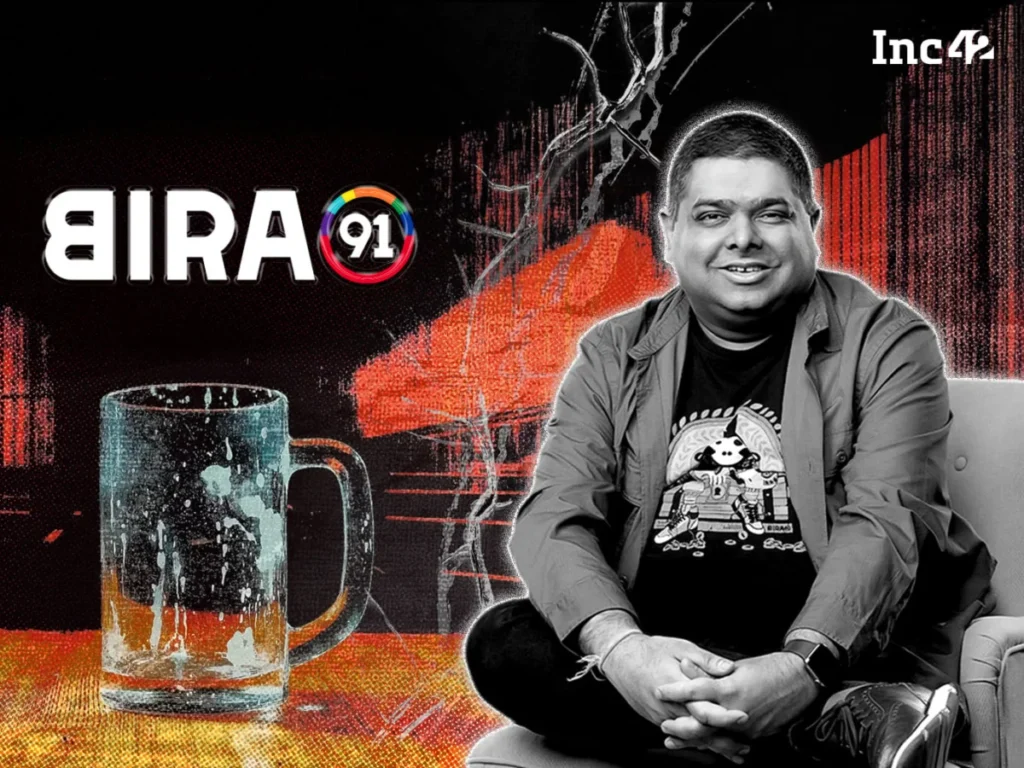
In a dramatic restructuring that marks the end of an era for one of India’s most recognizable craft beer brands, Ankur Jain, the founder of B9 Beverages—the parent company of Bira 91—has officially stepped down from the board. After months of mounting operational paralysis, deepening debt, and public legal skirmishes, Jain has relinquished executive control and surrendered his family’s 17.8% stake in the company.
This move, finalized through a comprehensive settlement agreement with institutional investors and lenders, acts as a crucial circuit breaker for the embattled firm. By untangling the leadership dispute, the company now paves the way for a long-awaited recapitalization plan designed to settle outstanding dues and potentially revive production.
The Settlement: A Clean Slate for B9 Beverages
The agreement, signed following nearly two years of escalating friction between the founder and his financial backers, serves as a "reset button" for B9 Beverages. For Jain, the exit comes at a significant personal cost but provides a necessary release from the heavy burden of personal liabilities. Under the terms of the settlement, Jain is absolved of guaranteed loans and other personal financial obligations tied to the firm, while both the company and the founder have agreed to withdraw all pending legal litigation.
"We ran into rough weather in the last two years," Jain stated following the announcement. "However, with this resolution, the business will enter a new phase of growth, a phase in which I will be cheering for the company and the brand from the sidelines."
For the institutional investors—a marquee list including Peak XV Partners, Sofina, and Japan’s Kirin Holdings—and lenders such as Anicut Capital and the family office of Hero Corporate Services, the exit represents a decisive reclamation of the company’s governance. The move addresses long-standing concerns regarding operational oversight and financial management, setting the stage for a new management regime to steer the company out of its current insolvency-adjacent state.
A Chronology of a Craft Collapse
The fall of Bira 91 from a celebrated "unicorn-in-waiting" to a company mired in litigation is a cautionary tale of scaling too quickly without adequate regulatory buffers.
2015–2022: The Golden Age of Growth
Founded in 2015, Bira 91 was the face of India’s craft beer revolution. By positioning itself as a premium, urban-centric alternative to legacy domestic lagers, the brand saw meteoric growth. Over its lifespan, it secured over $200 million in funding, with revenues successfully crossing the $100 million mark by FY23. It appeared to be on a clear trajectory toward a public listing.
2023: The IPO Ambition and Regulatory Friction
The cracks began to widen when the company transitioned from a private entity to a public one, a structural change intended to facilitate an Initial Public Offering (IPO). This technical shift inadvertently triggered a regulatory nightmare. The change in corporate status necessitated fresh excise approvals across several Indian states—a bureaucratic process that proved more cumbersome and prolonged than leadership anticipated. As production stalled and distribution channels dried up, the company began to hemorrhage cash.
2024: The Liquidity Crunch
As revenue streams slowed to a trickle, the company’s liabilities ballooned. By mid-2024, B9 Beverages reported debts estimated at approximately ₹1,000 crore. Inventory worth ₹80 crore had to be written off, and the company faced a cascade of defaults, ranging from delayed employee salaries to unpaid vendor bills.
2025: The Legal Tipping Point
The situation reached a breaking point in early 2025. Glass manufacturer Hindusthan National Glass & Industries Ltd (HNGIL) initiated legal action against B9 Beverages, alleging non-payment of dues and the abandonment of over 51 lakh custom-molded bottles. This notice, combined with mounting pressure from lenders, signaled that the status quo was no longer sustainable, leading directly to the current boardroom settlement.
The Financial Anatomy of the Crisis
The collapse of Bira 91 is a multi-faceted failure of balance sheet management and operational adaptability. The company’s total liabilities, which Jain publicly acknowledged as being around ₹300 crore in operational debt (with total debt reaching significantly higher levels when factoring in institutional exposure), created a structural deadlock.
Key Financial Pain Points:
- The Inventory Trap: The inability to move stock due to licensing hurdles led to an massive write-off of ₹80 crore. This inventory became a liability rather than an asset, as storage and maintenance costs mounted.
- Vendor Relations: B9 Beverages’ reputation as a reliable client suffered as payments to suppliers, such as glass manufacturers and logistics partners, were deferred or defaulted upon.
- The Debt Burden: With a debt load reported at ₹1,000 crore, the interest servicing alone became unsustainable for a business that had effectively halted its primary revenue-generating operations.
- Governance Concerns: Institutional investors had grown increasingly vocal about the lack of financial transparency, leading to the push for a leadership change. The "founder-led" model, which works during early-stage hyper-growth, proved unable to navigate the complexities of a multi-state public entity during a liquidity crisis.
Official Responses and Stakeholder Perspectives
While the investors have remained relatively quiet regarding the specifics of the new leadership team, the consensus among analysts is that a professional management transition is imminent. The lenders, who hold significant leverage in the current restructuring, are likely to install an interim management committee or a turnaround specialist to oversee the recapitalization.
The move to oust the founder is a rare, albeit increasingly common, occurrence in the Indian startup ecosystem when institutional trust is fractured. By severing ties with Jain, the investors are attempting to insulate the brand from the "founder-dependency" risk, which has become a significant liability in the eyes of regulators and potential future partners.
Implications for the Indian Alcobev Sector
The Bira 91 saga serves as a sobering reminder of the volatility inherent in the Indian alcobev market. The sector is governed by a patchwork of state-level excise laws, making it one of the most complex industries to scale.
1. Regulatory Compliance as a Strategic Moat
The case highlights that in India, regulatory compliance is not just a legal formality but a fundamental component of business continuity. For other startups in the space, the Bira 91 experience emphasizes the need for redundant excise approvals and a "regulatory-first" approach to expansion.
2. The Limits of Founder-Centric Scaling
The rapid growth of Bira 91 was fueled by a charismatic founder who prioritized market share and brand equity. However, the crisis underscores that once a company reaches a certain scale—especially when aiming for an IPO—the operational rigor required must match the brand’s footprint. The transition from a "founder-driven" to "process-driven" organization is where many Indian startups falter.
3. Investor Activism on the Rise
This settlement signals a shift in the power dynamic between VCs and founders in India. Investors are showing an increased willingness to intervene directly in governance and force leadership changes when their capital is at risk. We can expect to see more "active governance" models in the Indian startup scene, where board seats are utilized not just for guidance, but for active oversight.
Looking Ahead: Can the Brand Survive?
The core question remains: Is the Bira 91 brand damaged beyond repair?
Industry experts suggest that the brand retains significant equity with the urban millennial demographic. If the new management can successfully execute the recapitalization plan—clearing vendor dues and restoring supply chain efficiency—the company could still emerge as a viable player. However, the road to recovery involves more than just a capital injection; it requires a complete rebuilding of trust with suppliers, distributors, and the regulatory bodies that hold the keys to their distribution licenses.
For now, the "cheering from the sidelines" remark by Ankur Jain signals a quiet departure. The focus of the market now shifts to the boardrooms of Peak XV and the other investors, who must prove that they can turn a cautionary tale back into a success story. The story of Bira 91 is far from over, but the next chapter will be written without the man who first poured the beer.