The Shrinking Horizon: Nothing Faces Global Retrenchment Amidst Market Volatility

In a landscape defined by rapid innovation and fierce competition, the smartphone industry is currently undergoing a painful period of contraction. Following the recent announcement that OnePlus is officially withdrawing from the North American and European markets, a new wave of uncertainty has washed over the sector. Reports surfacing this week indicate that Nothing—the boutique technology firm founded by Carl Pei—is preparing to follow a similar path, signaling a strategic retreat from at least 12 global markets.
This potential exodus marks a significant turning point for a company that has prided itself on disrupting the industry status quo. As global memory prices soar and consumer demand shifts, even the most hyped brands are finding it increasingly difficult to sustain a presence in saturated, low-margin territories.
Main Facts: The Strategic Retreat
The reported downsizing is comprehensive, affecting not only the company’s geographic footprint but also its internal structure. According to industry insiders, Nothing is planning a significant reduction in its workforce, targeting a 40% headcount reduction across its global operations. The company’s Research and Development (R&D) divisions are particularly vulnerable, with projected layoffs of 50% in China and between 30% and 40% in its London headquarters.
The geographic scope of this withdrawal is wide-reaching. While specific country lists remain unconfirmed, the report highlights the Middle East, Japan, and "parts of Europe" as primary areas where the brand intends to cease operations. This move reflects a broader pivot toward markets where Nothing has demonstrated tangible traction, most notably India, where the brand has recently achieved status as one of the fastest-growing smartphone entities.
Chronology: A Rapid Rise and a Measured Fall
To understand the current crisis, one must look back at the trajectory of the Nothing brand. Since its inception, Nothing has utilized a masterclass in marketing, building hype through limited drops, transparent design aesthetics, and a minimalist software philosophy.
- The Launch Phase: Nothing entered the market with high expectations, positioning itself as a "cool" alternative to legacy giants. The initial reception was warm, with early devices generating significant media buzz.
- Expansion Efforts: Throughout 2023 and early 2024, the company attempted to scale its operations to meet global demand, pushing aggressively into Western markets where competition is dominated by Apple and Samsung.
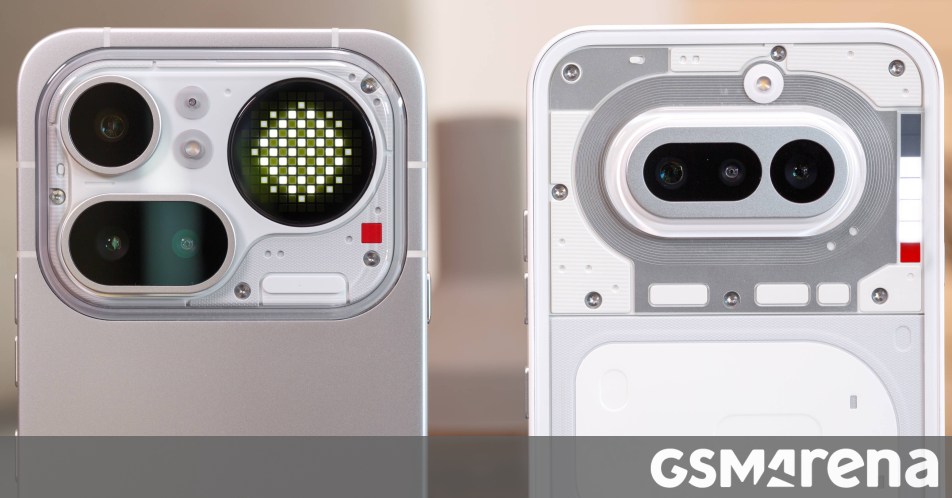
- The Pivot to Mid-Range: Recognizing that it could not easily displace the flagship giants, Nothing pivoted toward the mid-range mass market with the Phone (4a) and (4b) series.
- Market Pressure (Current Month): As global supply chains faced the crunch of rising memory costs, the lack of economies of scale became glaring. The recent reports of mass layoffs and regional exits are the culmination of several months of fiscal tightening.
Supporting Data: Sales Discrepancies and Economic Realities
While Nothing’s marketing campaigns are ubiquitous, the actual volume of units sold tells a more sobering story. According to recent data, the Nothing Phone (4b) has managed to sell only 20,000 units globally since its launch—a figure that is alarmingly low for a company with global ambitions.
Combined, the Nothing Phone (4a) and the Phone (4a) Pro have moved roughly 150,000 units. While these figures represent a loyal customer base, they are insufficient to cover the high costs of international logistics, localized regulatory compliance, and marketing overheads in high-competition zones like North America and Western Europe.
The Memory Price Crisis
The primary driver of this retrenchment is the volatile cost of memory components (DRAM and NAND Flash). For large-scale manufacturers like Samsung or Xiaomi, these costs are absorbed through massive volume. For smaller players like Nothing, which operate on thin margins in the mid-range segment, the spike in memory prices acts as a barrier to profitability. The company is essentially being squeezed by its own business model: it is too small to negotiate massive discounts from suppliers, but it is competing in a price-sensitive bracket where passing those costs to the consumer would result in a total loss of market share.

Official Responses and Corporate Silence
As of this writing, Nothing has maintained a guarded stance. The company has yet to release a formal statement confirming or denying the specific number of markets it intends to exit. However, the absence of a vigorous denial, coupled with the specificity of the reported layoffs, has led many analysts to treat the reports as essentially factual.
In previous communications, leadership at Nothing has emphasized "sustainable growth" over "growth at all costs." This corporate mantra is likely being repurposed now as a justification for the strategic withdrawal. By exiting markets where they are struggling to gain a foothold, the company is attempting to conserve capital and protect its core business in high-growth regions like India, where their localized strategy has proven effective.
Implications: What This Means for the Smartphone Industry
The withdrawal of brands like OnePlus and potentially Nothing from major global markets is a red flag for the health of the broader smartphone ecosystem.
1. The Consolidation of Power
The primary implication is the further consolidation of the market into the hands of the "Big Four": Apple, Samsung, Xiaomi, and Vivo/Oppo. As smaller, boutique brands exit, consumer choice in the mid-range segment diminishes. This lack of competition often leads to stagnating innovation and a potential increase in pricing, as the remaining players have less pressure to disrupt the status quo.

2. The End of the "Niche Disruptor" Era?
The "Nothing" story is a microcosm of the difficulties facing hardware startups in the 2020s. The era of the "disruptor" brand may be coming to a close as the cost of entry—both in terms of R&D and supply chain logistics—continues to climb. The capital-intensive nature of hardware makes it a brutal arena for companies that lack the deep pockets of a conglomerate.
3. Impact on Consumers
For current users of Nothing devices, the implications are twofold. First, there is the question of long-term software support. While a company may exit a market, it usually retains a presence elsewhere; however, a 40% reduction in staff, specifically in R&D, suggests that the pace of software updates and security patches may slow significantly. Second, the secondary market for these devices will likely see a decline in resale value as the brand’s footprint shrinks.
4. Strategic Focus on India
Nothing’s focus on India is a calculated move. India remains one of the few markets globally where smartphone penetration is still growing, and where brand loyalty is highly responsive to the type of aesthetic-driven marketing that Nothing excels at. By concentrating resources there, Nothing is attempting to pivot from being a "global player" to a "regionally dominant player," a strategy that is arguably more viable for a company of its size.
Conclusion
The report regarding Nothing’s planned exit from 12 or more markets is a harsh reminder of the economic realities of the hardware business. While the company succeeded in capturing the attention of the tech-savvy demographic, it failed to bridge the gap between "viral trend" and "sustainable market share."

As we look toward the future, the industry must grapple with the question of whether there is still room for independent, hardware-focused startups. If the current trend of retrenchment continues, we may soon see a landscape where the smartphone market is dominated exclusively by legacy titans, and the era of the scrappy, innovative challenger becomes nothing more than a footnote in the history of consumer electronics.
For now, all eyes are on Nothing’s leadership to see how they will manage this transition and whether they can stabilize their operations in the few remaining markets they choose to call home. The next few months will be critical, not only for the company’s survival but for the confidence of their remaining user base.