Bureaucratic Stagnation Ends: Child Rights Commission Orders Activation of Karode BUDS School

THIRUVANANTHAPURAM – In a decisive move aimed at rectifying years of administrative inertia, the Kerala State Commission for Protection of Child Rights (KeSCPCR) has issued a stern directive to local authorities to immediately operationalize the BUDS school located in the Karode panchayat. The facility, which has remained a dormant monument to bureaucratic delay for over two and a half years, is finally slated to serve the demographic for which it was originally constructed: children with special needs.
The directive, issued during a district-level sitting held at the Thiruvananthapuram PWD Rest House, marks a significant intervention by the Commission to ensure that the fundamental rights of children are not sidelined by administrative apathy or logistical negligence.
The Core Mandate: Bringing Infrastructure to Life
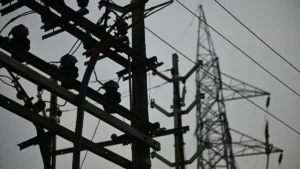
The primary focus of the Commission’s recent intervention is the BUDS school in Karode, a project that has faced an inexplicable hiatus since its grand inauguration nearly 30 months ago. Despite the physical completion of the structure, the school has remained non-functional, primarily due to the lack of basic utilities, most notably an electricity connection.
Commission members F. Wilson and K.K. Shaju, who presided over the proceedings, emphasized that the state of the building is an unacceptable waste of public resources and a violation of the rights of children who require specialized educational environments. To address the immediate hurdles, the Commission has mandated that the local panchayat and the relevant utility providers prioritize the electrification of the premises.
Furthermore, acknowledging potential concerns regarding student enrollment, the Commission provided a proactive solution: if the local catchment area does not yield a sufficient number of students to justify full-scale operations, the Karode BUDS school is authorized to accept students from neighboring panchayats. This regional approach aims to ensure that the facility is utilized to its maximum capacity, thereby providing essential services to a wider community of children with special needs.
Chronology of a Stalled Project
The history of the Karode BUDS school serves as a cautionary tale regarding the gap between policy announcement and ground-level execution.
- Early 2024 (Project Conceptualization): The Karode panchayat identifies the need for a specialized BUDS school, a state-supported initiative designed to provide education, therapy, and vocational training for children with intellectual disabilities.
- March 2024 (Inauguration): The school building is officially inaugurated with much fanfare. It is presented as a landmark achievement for the region’s social welfare infrastructure.
- April 2024 – August 2026 (The Stagnation Phase): Despite the ribbon-cutting, the school fails to open its doors. During this period, the project falls into a state of limbo. Administrative disputes over funding, maintenance responsibilities, and, crucially, the failure to secure a permanent electricity connection, render the building unusable.
- September 10, 2026 (The Intervention): Following a series of complaints regarding the abandonment of the facility, the KeSCPCR takes up the matter during its district sitting. The Commission issues a direct order for immediate activation, effectively setting a deadline for the local authorities to resolve the utility crisis.
Addressing Encroachment: The Kunnathukal UP School Case
Beyond the BUDS school, the Commission’s sitting also addressed broader systemic issues regarding the protection of educational land. A significant order was passed concerning the Kunnathukal Government Upper Primary (UP) School in the Parassala sub-district.
The Commission received reports indicating that the school’s land had been subject to illegal encroachment, effectively shrinking the space available for student activities and future development. The Commission has ordered the immediate eviction of the encroachers. This move is viewed as a necessary step in protecting public educational assets from private appropriation, ensuring that the school’s premises remain dedicated solely to the academic and extracurricular needs of its students.
Supporting Data: The Scope of the Commission’s Work
The recent sitting in Thiruvananthapuram was a high-volume session, highlighting the mounting pressure on the child rights machinery in the district. The following data points outline the activity of the Commission during this session:
- Total Complaints Handled: 47
- Complaints Disposed of: 29 (62% resolution rate)
- Complaints Deferred: 18 (Pending further investigation and detailed orders)
The high number of complaints—ranging from infrastructure neglect to issues of student welfare—underscores the critical role that district-level sittings play in providing a direct interface between the public and state oversight bodies. The 18 deferred cases suggest that several issues are of a complex nature, requiring inter-departmental coordination between the Department of General Education, the Local Self-Government Department (LSGD), and the state revenue authorities.
Official Responses and Administrative Implications
The Commission’s directive has sent a ripple through local administrative circles. While the Karode panchayat officials have previously cited "procedural delays" and "technical hitches" regarding the power connection, the Commission’s order effectively removes the leeway for such excuses.
The Responsibility of the Panchayat
The onus now lies squarely on the local governing body to coordinate with the Kerala State Electricity Board (KSEB). The Commission has made it clear that the lack of electricity is a "remedial issue" rather than an "insurmountable barrier." The suggestion to enroll students from neighboring areas also indicates that the Commission is prioritizing the utility of the school over rigid administrative boundaries.
Protecting Public Assets
The eviction order for the Kunnathukal Government UP School serves as a stern warning to those who occupy state-owned educational land. By enforcing the law, the Commission is setting a precedent that the protection of the child’s learning environment takes legal precedence over unauthorized land use.
Broader Implications: What This Means for Kerala’s Education Sector
The intervention in Thiruvananthapuram is part of a larger, ongoing effort by the Kerala State Commission for Protection of Child Rights to ensure that the state’s progressive social welfare policies are not just aspirational, but operational.
Bridging the Gap
The BUDS school model is one of Kerala’s most celebrated initiatives for inclusive education. However, the Karode incident exposes a recurring problem in the state’s governance: the "last mile" delivery. While high-level policy is sound, the execution at the panchayat level often suffers from lack of accountability. The Commission’s move to hold a physical sitting in the district is a direct attempt to force accountability upon local officials.
The Right to Education for Children with Special Needs
For families of children with special needs, the opening of a BUDS school is not merely a matter of convenience; it is a necessity for the developmental milestones of their children. The continued closure of the Karode facility represented a denial of these children’s right to education. By mandating the school’s opening, the Commission is reaffirming the state’s obligation to provide an accessible and equitable learning environment.
A Template for Future Oversight
The success of this intervention will likely serve as a template for how the Commission handles similar cases in the future. By combining strict deadlines with practical, problem-solving suggestions (such as the enrollment of out-of-district students), the Commission is demonstrating a flexible, results-oriented approach to governance.
Conclusion
The directive issued by the State Commission for Protection of Child Rights is a vital victory for the community in Karode and the broader student population in the Thiruvananthapuram district. As the school gears up to finally begin operations, the residents and parents look toward the local authorities to see if this mandate will be followed with the urgency it demands.
The events of September 10, 2026, serve as a potent reminder that while the machinery of government may be slow, the mechanisms of oversight and public accountability remain active. Whether it is the electrification of a school or the clearing of encroached land, the Commission has signaled that the protection of children’s rights is a non-negotiable priority that will be enforced through decisive legal and administrative action.
As the town of Karode waits for the lights to finally flicker on at the BUDS school, the focus now shifts to implementation. If successful, the school will not only serve its students but will also stand as a testament to the effectiveness of vigilant regulatory oversight in the pursuit of social justice.