The 2025 B2B Social Media Playbook: Strategies for an Era of Authenticity and AI
The B2B marketing landscape is undergoing a profound transformation. As we look toward 2025, the traditional, sterile corporate playbook is being discarded in favor of human-centric, agile, and technology-augmented strategies. Social media, once viewed as an auxiliary channel for B2B brands, has moved to the center of the customer acquisition funnel. As business buyers increasingly mirror the behavior of B2C consumers—demanding personalization, speed, and authentic connection—marketers must pivot their strategies to remain competitive.
According to the latest insights from industry leaders at Convince & Convert and data synthesized from the Netline B2B Content Consumption Report, the mandate for 2025 is clear: abandon "corporate speak" and embrace the nuanced, high-engagement tactics that define modern digital success.
The Core Mandate: Authenticity in a Corporate World
The most significant shift heading into 2025 is the rejection of the "faceless corporation." Today’s B2B buyers are fatigued by automated, robotic outreach. They are seeking brands that showcase their values, admit their challenges, and celebrate their successes with transparency.
The Humanization of B2B
B2B marketers are increasingly adopting B2C storytelling techniques. The objective is to build emotional resonance. When a brand showcases the people behind the products, it fosters trust—the primary currency in high-ticket B2B transactions. This authenticity is no longer a "nice to have"; it is a competitive necessity. Companies that hide behind overly polished, generic messaging are finding their reach diminished, while those that embrace "consumer truth" are capturing market share.
Chronology of the Shift: From Static to Dynamic
The evolution of B2B social media has not happened overnight. We can track this progression through three distinct phases:
- The Informational Era (2018–2020): B2B social media was dominated by link-sharing and blog syndication. Content was primarily text-based, static, and focused on top-of-funnel awareness.
- The Multimedia Pivot (2021–2023): The rise of webinars and gated content became the industry standard. Brands began experimenting with video, though it often remained formal and high-production.
- The Relatable/AI-Integrated Era (2024–2025): We have entered a phase where authenticity (short-form, raw video) meets scale (AI-driven content production). This is the current frontier where winners and losers in the B2B space are being determined.
Supporting Data: Why Strategy Must Change
The Netline B2B Content Consumption Report provides empirical weight to the necessity of these changes. Data indicates that content engagement is increasingly tied to the "relatability" of the format.

- Video Dominance: 72% of B2B marketers currently report direct success with lead generation through short-form video content. This is no longer an experiment; it is a primary driver of pipeline growth.
- The Power of Influence: B2B influencer marketing is seeing a surge in budget allocation. Data shows that partnering with industry experts accelerates trust-building by a factor of three compared to traditional paid advertising.
- AI Efficiency: Early adopters of AI-driven social listening and content optimization tools are seeing a 30% reduction in time-to-market for campaign assets, allowing them to remain agile in a volatile market.
Official Perspectives: Industry Voices
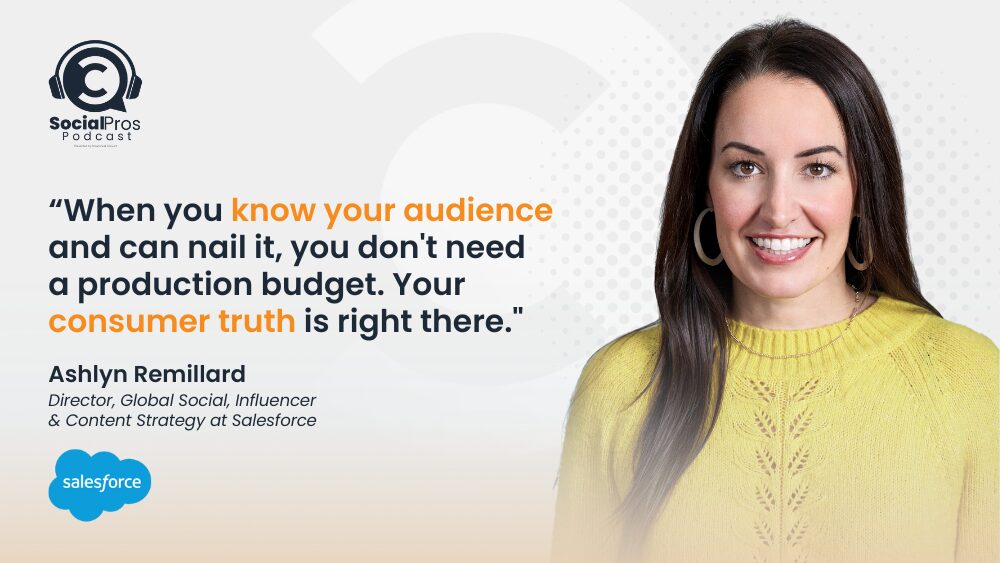
In a recent episode of the Social Pros podcast, experts from Convince & Convert dissected the critical elements of the 2025 playbook. A key sentiment emerged from the discussion: production value is being eclipsed by "consumer truth."
Ashlyn Remillard of Salesforce noted, "When you know your audience, and can nail it, you don’t need a production budget. Your consumer truth is right there." This perspective underscores the reality that buyers today care less about high-definition cinematic quality and more about whether the content addresses their specific, urgent business problems.
Implications for 2025 Strategy
To succeed in the coming year, B2B organizations must align their operations across four key pillars:
1. The Video Bifurcation
Marketers must effectively manage a two-tier video strategy.
- Short-form (TikTok, Instagram Reels, LinkedIn Shorts): These should be utilized for rapid engagement, "behind-the-scenes" glimpses, and quick, digestible tips that showcase the human side of the team.
- Long-form (YouTube, Webinars): These remain the bedrock for authority. They serve as the "deep work" of your marketing strategy—product demos, comprehensive case studies, and thought-leadership panels that educate the buyer during the final stages of the decision-making process.
2. Influencer Partnerships as Credibility Catalysts
B2B companies are finally realizing that influencers are not just for consumer beauty products. Partnering with credible, niche-specific experts allows brands to borrow the authority that the influencer has already built. The Oracle "On the Fly" series serves as the gold standard here: by tapping into a network of 30 industry influencers, they significantly expanded their reach and traffic, moving beyond the echo chamber of their own followers.
3. AI-Augmented Operations
The integration of AI is not about replacing human creativity; it is about scaling it. AI tools are now essential for:
- Predictive Analytics: Identifying when and where your audience is most likely to engage.
- Trend Spotting: Using automated social listening to jump on industry conversations before they reach saturation.
- Personalization: Tailoring messaging to specific segments of the audience at a scale that was previously impossible.
4. Radical Focus on Pain Points
The most successful content is that which solves a problem. By shifting focus from "product features" to "customer challenges," brands position themselves as partners rather than vendors. Whether through white papers, deep-dive YouTube interviews, or LinkedIn posts, the content should always answer the question: How does this make our customer’s job easier?
Conclusion: Preparing for the Future
The 2025 B2B landscape is not for the faint of heart. It requires a willingness to be transparent, a commitment to high-quality long-form education, and the agility to integrate AI into existing workflows.
The divide between brands that "get it" and those that don’t will widen in the coming months. Brands that continue to churn out corporate-approved, vanilla content will find their engagement metrics stagnating. Conversely, those that embrace the human element—leveraging influencers, utilizing diverse video formats, and speaking directly to the pain points of their prospects—will find themselves well-positioned to dominate their sectors.
As the industry moves forward, the advice from the experts at Convince & Convert remains the definitive north star: Stay authentic, prioritize the audience’s needs above your brand’s ego, and ensure your strategy is as dynamic as the social platforms themselves. For those looking to refine their approach, the transition begins today by auditing current social output against the pillars of authenticity, video efficacy, and influencer integration. The tools are available; the strategy is clear. Now, the execution begins.