The Double-Edged Sword: Finance Minister’s Stark Warning on AI at Global Fintech Fest
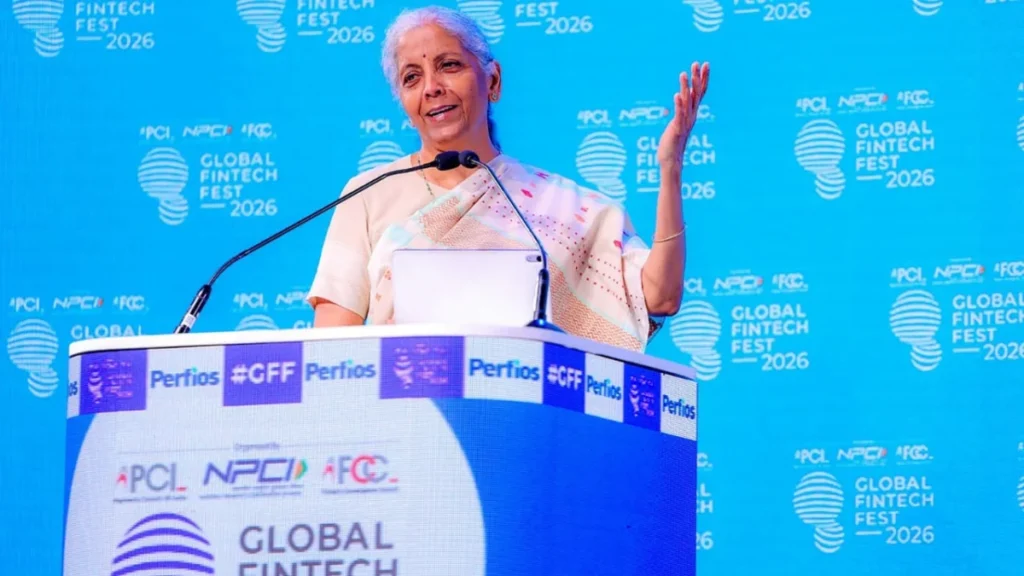
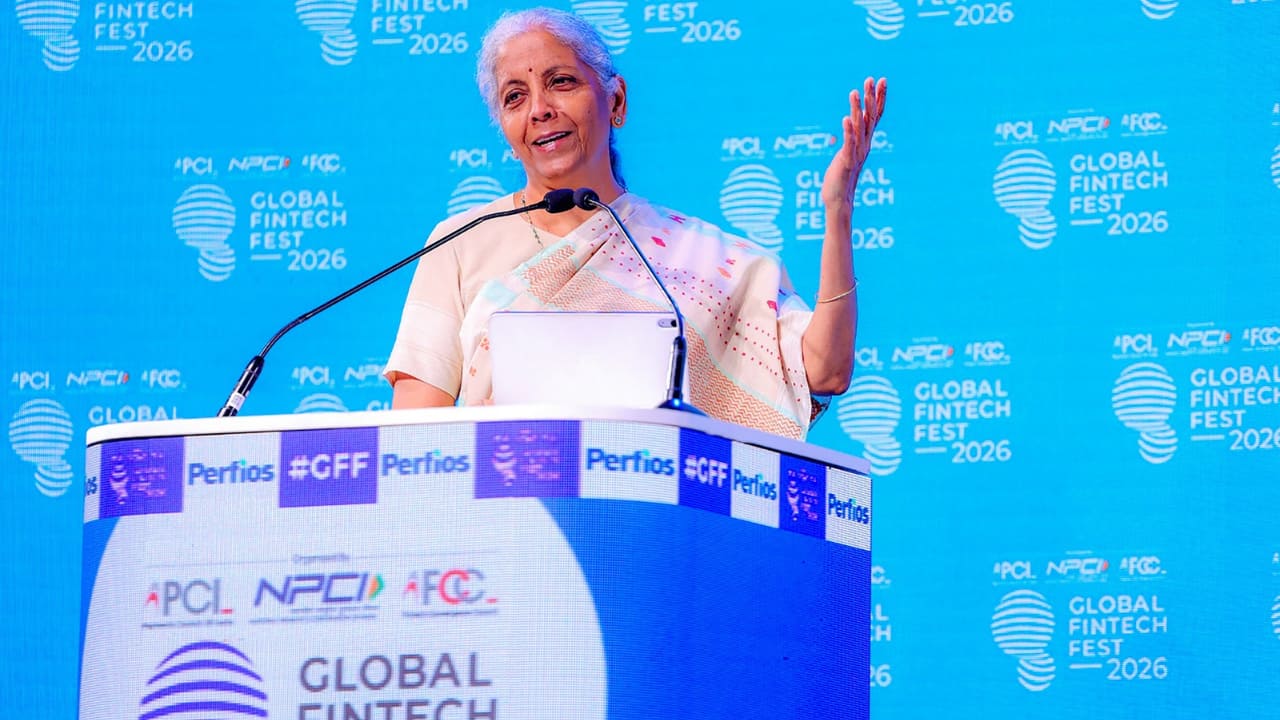
MUMBAI – In a keynote address that set the tone for the 2026 Global Fintech Fest (GFF), the Union Finance Minister delivered a sobering assessment of the rapidly evolving digital financial landscape. While celebrating the technological leaps that have democratized banking and spurred innovation, the Minister issued a definitive warning regarding the dual nature of Artificial Intelligence (AI), characterizing it as a "double-edged sword" capable of both fortifying and subverting the global financial architecture.
As digital payments and blockchain-based solutions continue to dominate the discourse, the intersection of AI and financial crime has emerged as a primary concern for policymakers, central banks, and private financial institutions alike.
Main Facts: The Duality of AI in Finance
The core of the Finance Minister’s message centered on the paradoxical utility of AI. On one hand, AI-driven algorithms have become the backbone of modern financial security, enabling real-time monitoring of transactions, predictive modeling for risk management, and the rapid detection of anomalous patterns that human oversight would inevitably miss. These tools have been instrumental in curbing money laundering and streamlining Know Your Customer (KYC) processes.
However, the Minister highlighted a chilling reality: the same technological sophistication is being weaponized by bad actors. AI-powered tools are now being used to orchestrate highly complex fraud, including sophisticated deepfake-driven identity theft, automated phishing campaigns, and algorithmic market manipulation. The "double-edged sword" metaphor serves as a warning that for every defensive breakthrough, there exists a potential offensive adaptation by cybercriminals.
Chronology: The Evolution of Digital Financial Governance
The discourse at GFF 2026 reflects a multi-year trajectory of rapid digital integration in India and abroad.
- 2023-2024: The Digital Infrastructure Boom: Following the widespread adoption of the Unified Payments Interface (UPI) and the introduction of the Central Bank Digital Currency (CBDC), India positioned itself as a global leader in fintech.
- 2025: The Rise of Generative AI: As AI integration became ubiquitous in banking apps and customer service interfaces, financial institutions began reporting an increase in "synthetic identity" fraud.
- September 12, 2026 (GFF Keynote): The Finance Minister formally articulated the tension between innovation and security, calling for a "sharpened" focus on the Digital Rupee platform to maintain sovereign integrity while fostering private-sector growth.
- Post-GFF 2026 Outlook: The focus has now shifted toward proactive regulatory frameworks that prioritize "Security by Design," ensuring that AI deployment in the banking sector is matched by robust, AI-resistant verification protocols.
Supporting Data: The Scale of the Challenge
Data presented during the summit underscored the urgency of the Minister’s warnings. Financial institutions reported a 40% year-on-year increase in AI-assisted fraud attempts in the first half of 2026.
- Detection Efficiency: AI-based fraud detection systems have successfully reduced false-positive rates by 25%, allowing banks to process legitimate transactions with greater velocity.
- Fraud Sophistication: Conversely, the use of generative AI in phishing has seen a 60% increase in success rates, as attackers now utilize AI to mimic the linguistic and behavioral patterns of legitimate banking officials.
- Digital Rupee Adoption: The Digital Rupee (e-Rupee) platform has seen steady growth, with transaction volumes increasing by 35% over the last fiscal year, necessitating the Minister’s call to "sharpen the capability" of the infrastructure to handle the increased load and potential security vulnerabilities.
Official Responses: RBI and Regulatory Alignment
The Reserve Bank of India (RBI), in response to the Finance Minister’s address, signaled a strategic pivot toward a "Cyber-Resilient Fintech Architecture." Top officials at the RBI emphasized that the digital Rupee platform is being continuously upgraded to incorporate advanced encryption and AI-driven monitoring systems that can operate in a zero-trust environment.
"We are not merely observing the digital transformation; we are architecting it," noted a senior RBI representative. The central bank plans to introduce new guidelines for fintech firms, mandating that any AI tool integrated into retail banking services must undergo rigorous stress testing against adversarial AI models.
Furthermore, the government’s push for enhanced collaboration between the Ministry of Finance, the Ministry of Electronics and Information Technology (MeitY), and international cybersecurity agencies is intended to create a unified front against transnational cybercrime syndicates that operate across jurisdictional boundaries.
Implications: A New Era of Financial Security
The implications of the Finance Minister’s stance are profound for the global financial ecosystem.
1. The End of Passive Security
Financial institutions can no longer rely on static firewalls or periodic audits. The future of banking security lies in "active defense"—systems that learn, adapt, and evolve as quickly as the threats they combat. This necessitates significant capital expenditure in R&D and a shift in hiring priorities toward AI-specialized security experts.
2. The Sovereignty of Digital Currency
The Minister’s specific urging for the RBI to "sharpen the capability" of the digital Rupee platform suggests that the government views a secure, sovereign digital currency as the ultimate defense against the volatility of private crypto-assets and the security risks associated with fragmented payment systems. A robust digital Rupee is seen as the bedrock upon which the future of the Indian economy will rest.
3. Ethical AI and Governance
Beyond security, there is the question of ethics. The use of AI in credit scoring and loan approval processes has raised concerns regarding algorithmic bias. As the government tightens regulations, fintech companies will likely be required to provide "explainable AI" (XAI) models, ensuring that decisions impacting citizens’ financial lives are transparent and free from discriminatory patterns.
4. Global Standards and Cooperation
India’s leadership at the Global Fintech Fest serves as a template for other emerging economies. By acknowledging the "double-edged sword" of AI, India is advocating for a global standard in digital financial safety. This may lead to the formation of international task forces dedicated to sharing threat intelligence regarding AI-driven fraud in real-time.
Conclusion: Navigating the AI Frontier
The Finance Minister’s address at the Global Fintech Fest was not a call to halt progress, but a mandate for disciplined, secure growth. As India continues to integrate AI into its financial veins, the focus must remain on the delicate balance between convenience and control.
The "double-edged sword" of AI will continue to carve out the future of finance. For the sector to thrive, the sharpness of the defensive edge must remain superior to the offensive capabilities of those who seek to exploit the digital frontier. The coming months will be critical, as the RBI and the government move to translate these warnings into policy, regulatory frameworks, and technological upgrades that will define the next decade of Indian fintech.
The message is clear: the digital transformation is irreversible, but it must be guarded by the very technology that drives it. In the hands of the responsible, AI is the engine of progress; in the hands of the malicious, it is a tool of subversion. The task of the regulator is to ensure that the engine of progress is the one that powers the nation’s future.