The Marketplace Revolution: How Retailers Are Pivoting to Platform-Based Business Models
In the rapidly shifting landscape of global e-commerce, the traditional retail model—where a brand manages its own inventory, logistics, and sales—is undergoing a profound transformation. Today, the most successful digital businesses are no longer just retailers; they are ecosystem builders. By transitioning from a standard e-commerce site to a multi-vendor marketplace, businesses are unlocking unprecedented scalability and revenue potential.
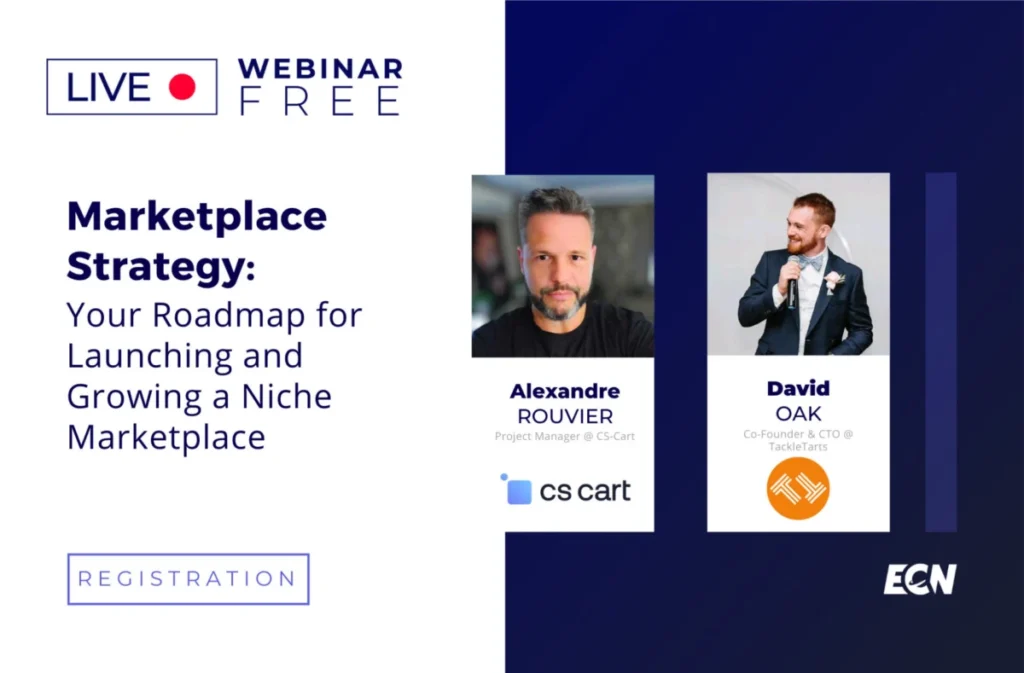
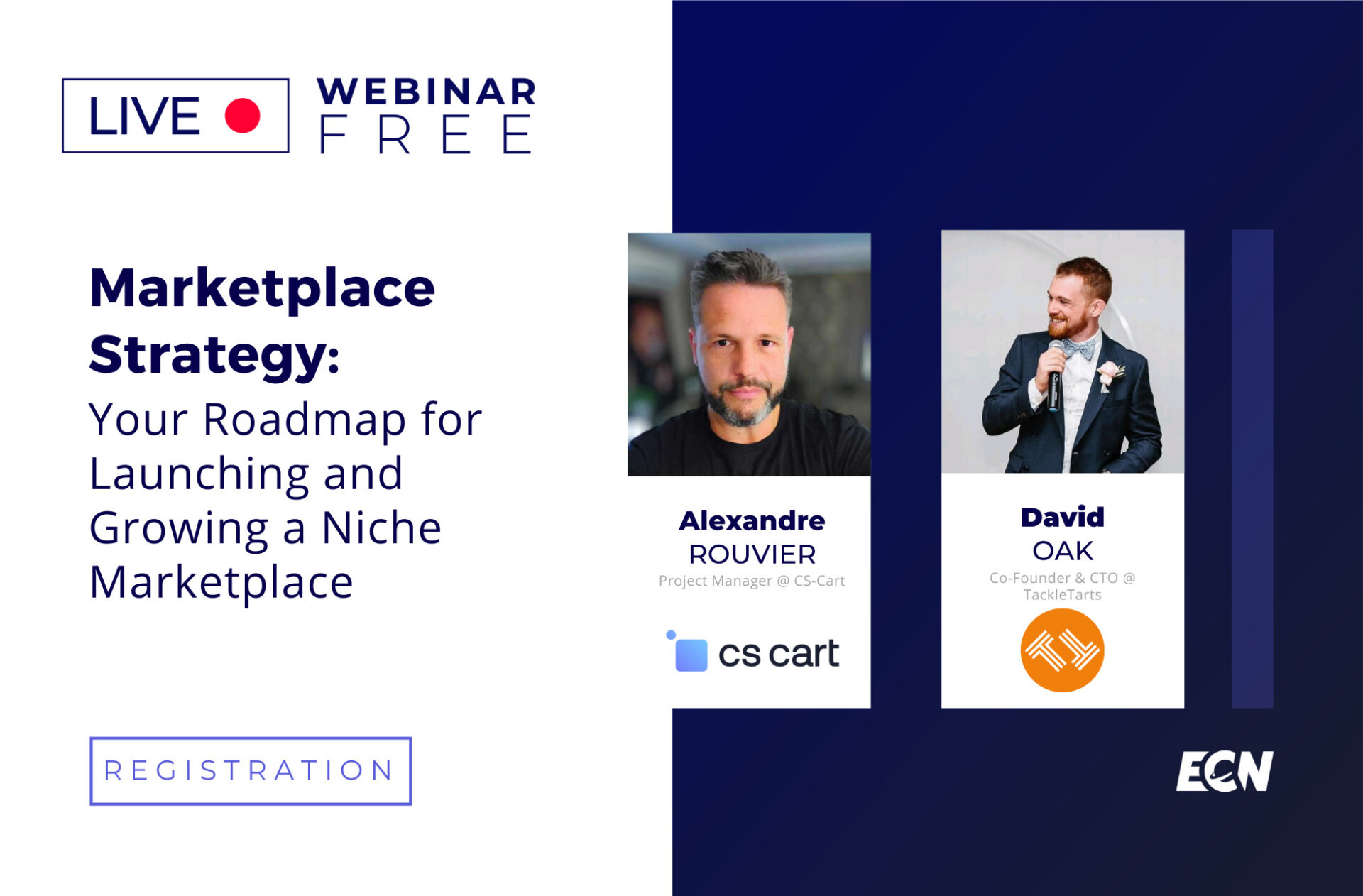
But for many, the "how" remains an enigma. To bridge this knowledge gap, CS-Cart, a leading provider of marketplace infrastructure, recently hosted an exclusive webinar alongside TackleTarts to dissect the mechanics of building a thriving multi-vendor platform. This article explores the strategic imperatives of marketplace development, the technical hurdles involved, and the implications for the future of digital retail.
Main Facts: The Strategic Pivot to Marketplaces
The fundamental appeal of the marketplace model is simple: it allows a retailer to act as a curator rather than just a merchant. By inviting third-party vendors to sell on their platform, companies can exponentially expand their product range without the overhead of purchasing inventory or managing complex supply chains.
The Opportunity
- Diversification: Marketplaces allow retailers to test new product categories with minimal financial risk.
- Increased Traffic: A broader inventory attracts a larger audience, which in turn attracts more vendors, creating a "flywheel effect."
- Data Dominance: Platforms collect rich data on consumer behavior across a diverse array of categories, providing deep insights into market trends.
However, moving from a single-vendor store to a multi-vendor marketplace is not merely a change in branding—it is a fundamental change in business architecture. It requires robust technology capable of managing vendor onboarding, commission structures, payout automation, and vendor-specific storefronts.
Chronology: The Evolution of the Platform Economy
To understand why this shift is happening now, one must look at the timeline of e-commerce evolution.
- 1990s – The Direct-to-Consumer (DTC) Era: Retailers digitized their brick-and-mortar operations, creating websites that mirrored the catalog experience.
- Early 2000s – The Rise of the Giants: Companies like Amazon and eBay demonstrated that aggregating sellers was more profitable than owning stock.
- 2010s – The Niche Marketplace Boom: As consumers became fatigued by the "everything stores," they began seeking specialized marketplaces—platforms focused on handmade goods, luxury vintage, or specific hobbyist niches.
- 2020 to Present – The Democratization of Technology: The barrier to entry for marketplace development has collapsed. Solutions like CS-Cart have made it possible for mid-sized retailers to launch enterprise-grade marketplaces without spending millions on custom software development.
The recent webinar hosted by CS-Cart and TackleTarts serves as a waypoint in this timeline, marking the moment when advanced marketplace technology became accessible to the average retailer.
Supporting Data: Why Marketplaces Win
Data consistently supports the shift toward platform-based retail. According to industry reports, marketplace sales now account for more than 60% of global e-commerce sales.
Why the Shift is Necessary:
- Lower Acquisition Costs: Marketplaces often benefit from "network effects," where the value of the platform increases as more users join. This organic growth can significantly lower customer acquisition costs (CAC).
- Scalability: While a traditional retailer is limited by their capital and warehouse space, a marketplace is limited only by the number of vendors they can attract.
- Customer Loyalty: When a consumer knows they can find a complete solution—such as all the gear for a specific hobby like fishing (the core focus of TackleTarts)—they are more likely to return, increasing the Customer Lifetime Value (CLV).
The presentation by CS-Cart highlights that successful marketplaces are not built on technology alone; they are built on a "qualitative offering." This means vetting vendors, ensuring high-quality product imagery, and providing a seamless checkout experience that makes the consumer feel they are dealing with one unified brand.
Official Perspectives: Expert Insights from CS-Cart and TackleTarts
The collaboration between CS-Cart and TackleTarts provides a "case study" blueprint for retailers. During their session, industry experts emphasized that the primary challenge for new marketplaces is trust.
Managing the Ecosystem
According to the CS-Cart team, the most common pitfall for new marketplaces is a "laissez-faire" approach to vendors. "You are the orchestrator," they explain. "If your vendors provide poor service, the consumer blames you, not the vendor."
Key areas of concern highlighted during the webinar include:
- Vendor Onboarding: Implementing a rigorous vetting process is essential to maintain brand integrity.
- Technological Integration: The marketplace software must integrate seamlessly with the existing CRM, ERP, and payment gateways.
- Communication: Building a strong relationship with vendors ensures they are invested in the success of the platform.
TackleTarts, acting as the practical application of these strategies, shared their journey in navigating the transition. They highlighted that the ability to offer a "one-stop-shop" experience was the turning point for their growth. By allowing different vendors to contribute their specialized expertise to the site, TackleTarts transformed from a simple retailer into a community hub.
Implications: The Future of Retail
What does this mean for the future of the industry? We are entering an era of "Retail Aggregation."
1. The Death of the "Average" Store
The traditional retail store that sells a limited, static catalog will likely struggle to compete with the dynamic, ever-changing nature of marketplaces. Retailers who do not adapt will find themselves losing traffic to more comprehensive platforms.
2. The Rise of Vertical Marketplaces
The future is not just "another Amazon." The future is in hyper-niche, expert-led marketplaces. By focusing on specific verticals—be it sustainable fashion, high-end electronics, or specialized outdoor equipment—retailers can build deep, defensible moats around their brand.
3. Technological Empowerment
The accessibility of tools like the CS-Cart Marketplace Builder means that the competitive advantage is no longer about who has the biggest IT department. It is about who has the best curation strategy and the most user-centric design.
How to Get Started: The Path Forward
For those interested in exploring the technical side of this transformation, the replay of the CS-Cart and TackleTarts webinar is an essential resource. The session covers:
- Technology Stacks: Understanding the underlying code and infrastructure requirements for a scalable platform.
- Business Models: Choosing between commission-based, subscription-based, or lead-generation models.
- Legal and Operational Frameworks: Ensuring compliance and operational efficiency as the marketplace scales.
Next Steps for Retailers
If you are currently managing an e-commerce site and considering the transition to a marketplace, the advice provided in the presentation is clear:
- Start with your existing audience: Analyze what your customers are asking for that you don’t currently sell.
- Pilot with trusted vendors: Don’t open the floodgates immediately. Start with a small, curated group of vendors to test your logistics and software.
- Invest in the User Experience (UX): A marketplace is more complex than a store. Ensure your navigation, search functionality, and checkout processes are optimized for multiple vendors.
The transition to a marketplace model is a significant undertaking, but as the digital economy matures, it is rapidly becoming the gold standard for sustainable growth. By leveraging the expertise shared by industry leaders and utilizing robust, purpose-built platforms, retailers can stop competing for space and start owning the ecosystem.
Ready to start your journey? The resources provided by CS-Cart serve as a comprehensive guide for those ready to move from retail to platform ownership. Register for the webinar replay today to gain the insights necessary to build, scale, and dominate your niche.
This article was produced by the E-Commerce Nation team, the leading B2B web media for e-commerce in Europe. For more insights on digital transformation and retail strategy, visit our archives or subscribe to our newsletter.