Monetizing Mastery: How Experts Are Turning Decades of Experience Into High-Value AI Tools
By: Editorial Staff
Source: AI Explored Podcast / Co-created by Kelly Sinclair and Michael Stelzner
In the modern digital economy, generic knowledge has effectively been commoditized. With artificial intelligence capable of answering virtually any question—from writing a high-converting sales pitch to mapping out a multi-channel content strategy—digital educators and consultants face an existential question: What is the value of human expertise when an AI can generate a passable answer in seconds?
According to brand and marketing strategist Kelly Sinclair, the answer lies not in competing with AI, but in weaponizing it. By embedding hard-won frameworks, proprietary methodologies, and real-world intuition directly into specialized AI tools, experts can transition from selling static digital courses to delivering active, implementation-focused software.
This shift—moving from education to active execution—is rapidly reshaping how knowledge-based businesses operate, opening up new avenues for recurring revenue and dramatically higher client success rates.
Main Facts: The Evolution of Expert-Led AI
The core premise of expert-backed AI is simple: generic AI outputs lack context, validation, and tested methodology. While anyone can prompt ChatGPT to create a general framework, users often struggle to evaluate whether the output is actually viable for their unique business.
- From Thinking to Using: Traditional digital courses teach clients how to think. Expert-backed AI tools allow clients to use an expert’s thinking, transforming abstract education into tangible implementation.
- The Completion Rate Leap: According to a 2025 Thinkific study cited by Sinclair, traditional digital course completion rates languish between 10% and 20%. However, when integrated AI tools are introduced to guide implementation, completion rates skyrocket to 70% to 80%.
- "Bot Squads": Sinclair coins the term "bot squads" to describe collections of connected AI tools designed to walk clients through multi-step workflows. Rather than replacing the human expert, these bots handle the heavy lifting of execution, freeing the expert to focus on high-level coaching and strategy.
- The IPO Framework: To structure these tools effectively, creators utilize the Input-Process-Output (IPO) framework, ensuring user-agnostic workflows yield user-specific results.
Chronology: The Shift From Static Courses to Dynamic AI Suites
For over a decade, the information product industry followed a predictable trajectory: creators packaged their knowledge into PDFs, video modules, and structured online courses.
- The Era of Information Overload: As the internet saturated with free content, the value of raw information plummeted. Course creators combated this by building comprehensive digital academies, but faced declining engagement and completion rates due to the "blank page syndrome" and implementation fatigue.
- The Generative AI Disruption: The arrival of advanced Large Language Models (LLMs) initially threatened service providers and educators, making basic copywriting, research, and ideation instantly accessible to everyone.
- The Rise of Custom AI and "Vibe Coding": Creators began moving beyond basic prompting, utilizing custom GPTs, portable skills, and accessible software development tools (such as Lovable and Claude Code) to build functional, brand-specific applications without needing traditional coding degrees.
- The Subscription AI Economy: Today, forward-thinking strategists are bundling these AI tools into recurring-revenue subscription models, where clients pay to maintain access to living workflows that evolve alongside the expert’s methodology.
Supporting Data: Friction Points and Market Realities
To determine where an AI tool will deliver maximum ROI, Sinclair outlines four diagnostic questions that target specific friction points in the client journey:
- Repetition: Identifying areas where clients repeatedly ask the same foundational questions. Automating these responses frees up valuable operational hours.
- The Implementation Gap: Pinpointing where clients stall out after receiving a strategy. For example, marketing strategists often deliver comprehensive visibility plans that clients fail to execute due to overwhelm. AI bridges this gap by breaking strategies down into digestible, day-to-day execution steps.
- The Skip Zone: Addressing essential tasks that clients routinely avoid because they perceive them as too difficult (such as rigorous voice-of-customer research or data auditing). AI removes the intimidation factor of the "blank page."
- The Confidence Gap: Providing real-time validation and feedback to bolster client confidence, ensuring they don’t abandon a process halfway through.
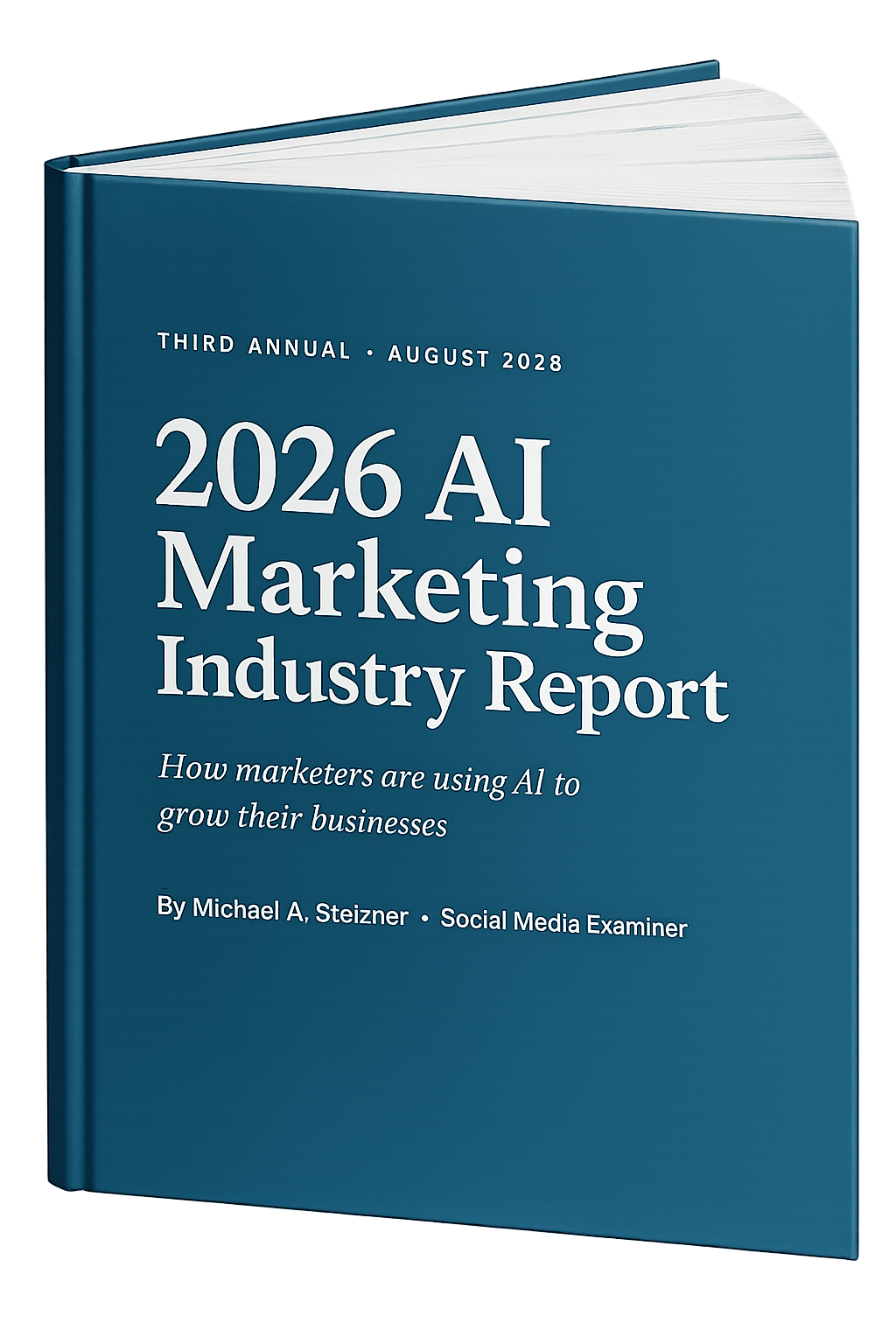
Furthermore, broader industry data underscores the urgency of structured AI adoption. Recent findings from the AI Marketing Industry Report reveal that 85% of marketers are currently learning AI entirely through independent experimentation, with only 7% receiving formal corporate training, and more than half paying out-of-pocket for their own software stacks. This widespread DIY approach highlights a massive market opening for structured, expert-backed tools that eliminate the guesswork.
Official Insights: Real-World Applications of the IPO Framework
The structural integrity of any customer-facing AI tool relies on the IPO Framework (Input, Process, Output). This methodology ensures that while the user’s variables change, the expert’s rigorous standard of execution remains constant.

- Input: The specific data, business descriptions, target audience profiles, or intake questionnaire answers provided by the client.
- Process: The core intellectual property of the expert. This includes a clearly defined goal for the tool, explicit instructions, and training resources such as coaching call transcripts, proprietary frameworks, templates, and successful output examples.
- Output: The final deliverable, whether it is a tailored messaging document, a pitch draft, an audit report, or a structured content plan.
Case Studies in Expert AI
- Michelle (Messaging Strategist): Built a bot squad named Moxie. Overcoming the client objection that messaging overhaul takes months, Moxie ingests voice-of-customer research provided by the client and runs it through Michelle’s proprietary methodology, generating ready-to-use marketing copy instantly.
- Kelly (Visibility Auditor): Created Valerie the Visibility Auditor. Recognizing that clients wasted time posting aimlessly on social media, Valerie evaluated weekly user activities against a strict ROI framework, redirecting them toward higher-leverage opportunities like podcast guesting and strategic collaborations.
- Nicole (PR Coach): Developed a three-bot sequential workflow. The first bot handles intake and generates a messaging guide; the second bot identifies hyper-targeted podcasts matching the client’s niche; the third bot drafts personalized pitches in the client’s authentic voice.
Technical Delivery Methods: Tradeoffs and Infrastructure
When moving from concept to deployment, creators generally choose among three technical pathways, each carrying distinct advantages and limitations:
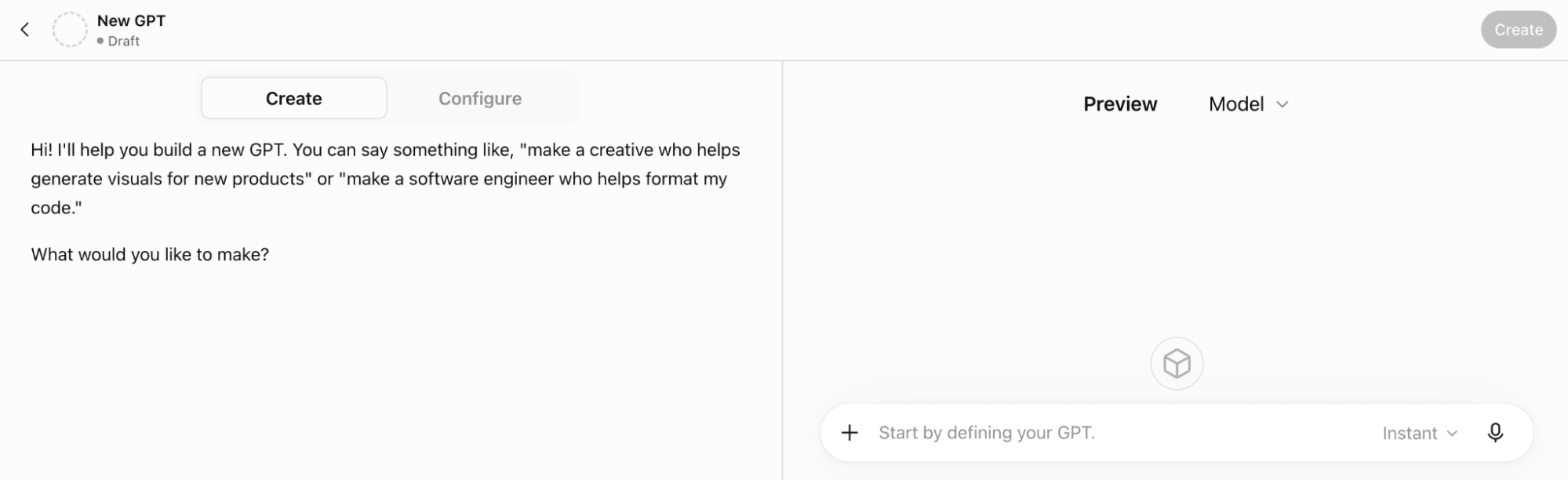
1. Custom GPTs
- Pros: Easiest entry point; conversational creation process directly within ChatGPT.
- Cons: Siloed workflows (requiring users to manually copy-paste outputs between different GPT links), difficult access revocation for churned members, and vulnerability to underlying model changes from OpenAI that can break functionality without warning. Best utilized as a low-cost proof of concept.
2. Claude Skills
- Pros: Enables multi-agent orchestration (handling multi-step workflows within a single account) and is increasingly portable across various AI ecosystems.
- Cons: Exposes intellectual property, as deploying a skill essentially hands over a zip folder containing the expert’s structured logic and frameworks.
3. Custom Software and "Vibe Coding"
-
Pros: Complete brand ownership, robust security, multi-tenancy (keeping user data isolated), and centralized dashboard management. Tools like Lovable allow non-technical creators to build scalable software applications.
-
Cons: Requires managing ongoing software maintenance, user authentication, and infrastructure costs. (Platforms like wAIv by Gravia Studio have emerged specifically to help creators bridge this gap by offering multi-step bot squad management and flexible LLM routing).
-
Pro Tip on Cost Efficiency: Not every step in a complex AI workflow requires the most advanced, expensive model. Routine tasks like intake processing can run efficiently on lighter models (such as Claude Haiku), while complex analytical tasks can utilize high-end reasoning models, protecting profit margins.
Implications for the Knowledge Industry
The transition toward expert-backed AI tools signals a fundamental realignment in professional services and digital publishing. Creators are no longer rewarded merely for packaging information; they are valued for engineering execution.
By wrapping proprietary methodologies into intuitive, subscription-based AI software suites, experts can scale their impact globally while protecting their intellectual property and securing predictable, recurring revenue. As clients increasingly demand speed, personalization, and guaranteed momentum over passive video tutorials, the future belongs to those who successfully digitize not just what they know, but how they do it.