WordPress 7.1 "Mary Lou" Debuts: A Comprehensive Look at the Major Open-Source Release
August 2026 — The WordPress open-source project has officially announced the launch of WordPress 7.1, code-named “Mary Lou” in honor of the pioneering jazz pianist, arranger, and composer Mary Lou Williams. Continuing a long-standing tradition of naming major software iterations after legendary musicians who have left an indelible mark on culture, this release channels Williams’ ethos of constant reinvention and collaboration.

Bringing together more than 1,500 enhancements, bug fixes, and feature additions contributed by over 800 individuals across the globe—including more than 170 first-time contributors—WordPress 7.1 aims to redefine how creators, administrators, and developers interact with the world’s most popular content management system.

Main Facts
WordPress 7.1 introduces a sweeping array of structural, creative, and performance updates designed to streamline workflows from the dashboard down to the individual block.

- The Persistent Admin Bar: The WordPress admin navigation bar now follows users seamlessly across the entire administrative experience, providing constant, uninterrupted access to essential creation and editing tools whether writing a post or modifying global site designs.
- Native Responsive Styling: Content creators can now apply device-specific styles directly within the Site Editor or Global Styles panel. This allows site builders to adjust layout appearances across mobile, tablet, and desktop viewports natively, bypassing the need for custom CSS.
- Unified Media Editor: Image manipulation has been centralized into a brand-new modal workflow. Users can now perform freeform and aspect-ratio cropping, precise horizontal and vertical flipping, snap-and-fine-grained rotation, and metadata editing from a single location.
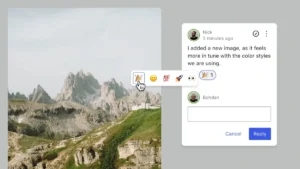
- Advanced Inline Notes and Collaboration: Collaboration tools have been upgraded to support rich-text formatting (bold, italic, code, and links) and
@mentionswithin Notes. Furthermore, feedback is no longer restricted to block boundaries; users can attach notes to specific fragments of text and maintain multiple parallel conversation threads. - In-Browser Media Processing: Utilizing a WebAssembly (Wasm) build of libvips, WordPress 7.1 shifts intensive image compression, resizing, and thumbnail generation directly into the browser, vastly reducing server strain and circumventing traditional PHP memory limits and upload timeouts. It also introduces native out-of-the-box support for AVIF, HEIC, and HDR gain maps.
- New Core Blocks: The release adds dedicated Playlist (with optional audio waveforms) and Tabs blocks, expanding native design flexibility without requiring third-party plugins.
Chronology
The development and deployment of WordPress 7.1 follow a rigorous release cycle driven by the WordPress Core team and international open-source contributors:

- Early 2026 (Ideation & Roadmap): Following prior iterations like WordPress 6.9, core contributors began planning the core focus areas for version 7.1, prioritizing developer tool expansion, responsive design controls, and performance enhancements.
- Spring 2026 (Development Phase): Hundreds of global contributors collaborated across GitHub repositories and Trac tickets, building out foundational features such as the public SVG Icon API, the Abilities API lifecycle, and browser-side WebAssembly media handling.
- Mid-Summer 2026 (Beta & Release Candidate Testing): The release squad delivered a series of beta and release candidate builds, inviting the global community to test new features, flag regressions, and translate the interface.
- August 2026 (Official Launch): WordPress 7.1 “Mary Lou” officially rolls out to the public, achieving day-one translation across more than 20 locales and becoming available for global installation.
Supporting Data and Technical Breakdown
Under the hood, WordPress 7.1 delivers powerful infrastructure updates aimed at developers, administrators, and performance-minded hosts.

The Developer’s Toolbox
- Public SVG Icon API: Developers can now register custom icon collections and icons using functions like
wp_register_icon_collection(),wp_register_icon(), andwp_get_icon(), making custom iconography universally available throughout the editor interface. - Abilities API Evolution: Building on the framework established in WordPress 6.9, the Abilities API now features a filterable execution lifecycle, custom validation parameters, and shared discovery. These enhancements lay a robust foundation for building advanced integrations and AI-powered workflows.
- Admin Design System: A new native Design System provides foundational theming support for custom WordPress admin interfaces—incorporating semantic tokens for color palettes, border radii, and cursor styles, alongside a dedicated
ThemeProviderReact component. - Theme-Level Control: Theme authors can now define custom mobile and tablet breakpoints within
theme.json, overriding default responsive styling and block visibility rules. Pseudo-state styling (hover, focus, focus-visible, and active states) is also fully supported for core elements.
Performance and Accessibility Metrics
- Resilient Uploads: In addition to offloading image processing via WebAssembly, the system now features automatic upload retries for dropped connections and clearer progress tracking. Optional GIF-to-video conversion helps shrink media asset sizes.
- Accessibility Enhancements: Core accessibility receives a boost via new helper functions like
wp_get_tooltip()andwp_get_toggletip(), bringing accessible tooltips to administrative meta boxes and login screens. Screen reader navigation has also been optimized across post list tables and interactive blocks.
Official Responses and Community Impact
Leadership within the WordPress community has emphasized that version 7.1 represents a massive leap forward in usability and inclusive design.

In statements accompanying the release, the release squad highlighted the historical inspiration behind the software. By honoring Mary Lou Williams—a jazz innovator who constantly pushed boundaries, mentored younger artists, and transformed Harlem apartments into legendary creative workshops—WordPress 7.1 seeks to emulate that same spirit of cross-pollination.

Furthermore, project organizers expressed deep gratitude to the extensive contributor network. With participation spanning over 800 individuals and welcoming more than 170 first-time code and documentation contributors, the release underscores the health and vibrancy of the open-source ecosystem.

Implications for Users, Developers, and Hosts
The release of WordPress 7.1 carries significant implications across the digital publishing landscape:

- For Content Creators and Marketers: The inclusion of native responsive design controls, advanced inline collaboration tools, and an integrated media editor means content teams can build, review, and optimize complex pages entirely within the native editor without relying on custom code or third-party add-ons.
- For Web Developers and Agency Owners: Standardized tools like the public SVG Icon API, expanded
theme.jsoncapabilities, and the new Admin Design System drastically reduce the friction of building bespoke themes and custom plugin interfaces that feel native to the WordPress dashboard. - For Hosting Providers and Site Administrators: Browser-side media processing via WebAssembly effectively neutralizes historical bottlenecks related to PHP memory exhaustion and upload timeouts, promising lower server overhead and smoother site management experiences for large-scale deployments.
As WordPress 7.1 rolls out globally, site owners are encouraged to review the official release notes, check the WordPress 7.1 Field Guide for developer-specific migration details, and explore educational materials via Learn WordPress to make the most of the platform’s newest capabilities.