The Evolution of the Samsung Galaxy S27 Ultra: Clarifying the Camera Roadmap
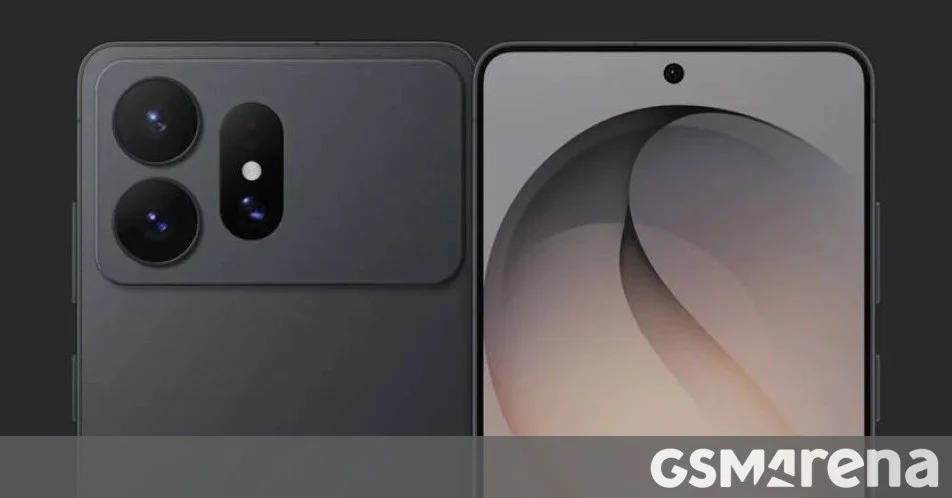
As anticipation builds for the next iteration of Samsung’s flagship smartphone series, the rumor mill has been working overtime. Recent discourse surrounding the upcoming Galaxy S27 Ultra has centered heavily on its optical capabilities, with conflicting reports surfacing regarding a potential hardware overhaul for its telephoto system. However, prominent industry leaker Ice Universe has stepped forward to provide a definitive correction, quelling speculation that the company intends to pivot away from its current long-range zoom configuration.
This article provides an in-depth analysis of the current landscape of the S27 Ultra’s camera development, examining the technical implications of the leaked designs, the strategic reasoning behind hardware placement, and how these changes reflect Samsung’s broader mobile strategy for the coming year.
Main Facts: Setting the Record Straight
The central point of contention in recent weeks was a widely circulated rumor suggesting that Samsung would replace the S26 Ultra’s 5x 1/2.52" telephoto module with a new, shorter 4x lens paired with a larger 1/1.9" sensor. According to Ice Universe, this claim is "100% false."
Instead, the Galaxy S27 Ultra will retain the proven 5x 1/2.52" telephoto module utilized in its predecessor. While this may come as a disappointment to enthusiasts hoping for a dramatic hardware jump, it signifies a strategic decision to prioritize refined image processing and consistent performance over experimental sensor changes.
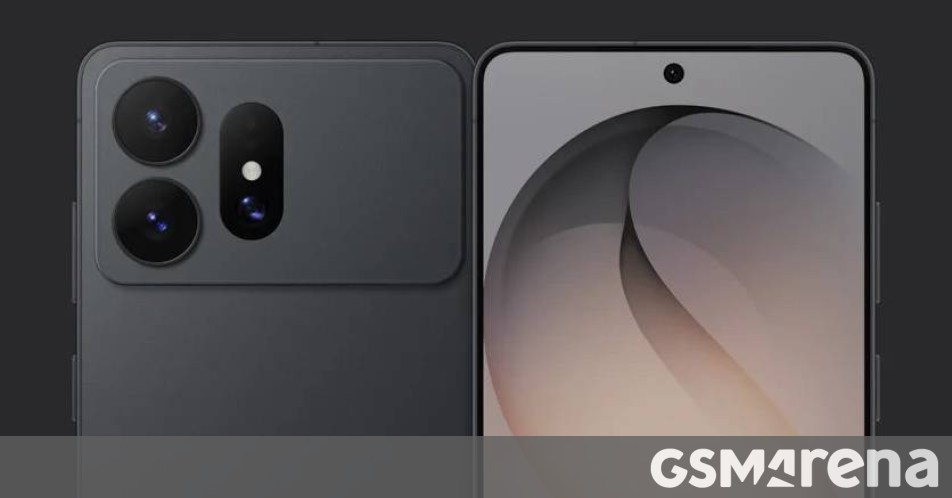
Furthermore, the industry consensus remains strong that the secondary 3x 10MP telephoto lens, a staple of the Ultra series for several generations, is likely headed for the chopping block. While Ice Universe did not explicitly confirm the removal, the industry expectation is that the 200MP primary sensor’s crop-zoom capabilities have reached a level of sophistication where a dedicated 3x lens is no longer necessary to maintain high-fidelity imaging at intermediate focal lengths.
Chronology of the S27 Ultra Rumors
The lifecycle of smartphone leaks often follows a predictable trajectory of speculation, contradiction, and eventual clarity. To understand how we arrived at the current understanding of the S27 Ultra, it is helpful to look back at the timeline of events:
- Early Speculation (Month 1): Initial reports emerged suggesting a "radical" camera redesign. Sources speculated that Samsung was looking to optimize its zoom performance by moving toward a larger-sensor, lower-magnification (4x) approach, presumably to improve low-light telephoto performance.
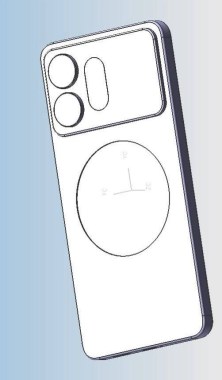
- The Design Shift (Month 2): CAD-based renders began circulating, showcasing not just a change in lens capability but a fundamental shift in the camera housing’s geometry. These renders highlighted a new layout, distinct from the vertical alignment seen in the S26 series.
- The "Pro" Introduction (Month 3): Rumors regarding a "Galaxy S27 Pro" began to solidify. This potential new model, reportedly featuring a 200MP main sensor, a 50MP ultra-wide, and a standard 3x 12MP telephoto lens, forced a re-evaluation of the Ultra’s positioning.
- The Correction (Current): Ice Universe issued the definitive denial of the 4x/1.9" sensor rumor, anchoring the S27 Ultra back to the 5x optical architecture of the S26 Ultra.
Supporting Data: Why the 5x Module Remains
The decision to stick with the existing 5x module is not necessarily a sign of stagnation. In the competitive landscape of mobile photography, consistency is often as valuable as raw innovation.
Technical Specifications and Performance
The 1/2.52" sensor paired with the 5x telephoto lens has proven to be one of the most reliable long-range imaging solutions in the Android market. By maintaining this hardware, Samsung avoids the risks associated with tuning an entirely new optical stack.
The primary advantage of the current system is its versatility. When combined with the 200MP primary sensor, which uses pixel binning to provide high-resolution crops at 2x and 3x zoom, the 5x telephoto lens covers the "dead zone" that plagued older devices. The transition from the 1x, 2x, 3x, and 5x focal lengths is expected to be seamless, with the 200MP main camera handling the short-to-mid-range requirements while the dedicated periscope lens dominates the long-range telephoto segment.
The Role of Software
With the hardware locked in, the burden of "innovation" for the S27 Ultra shifts to the ISP (Image Signal Processor) and the integration of advanced machine learning. We anticipate that Samsung will debut new computational photography algorithms designed to extract more detail from the existing 5x sensor, effectively bridging the gap that a larger sensor might have theoretically provided.
Strategic Design: The Magnetic Accessory Factor
One of the most interesting aspects of the S27 Ultra leaks is the change in camera positioning. As seen in the CAD renders, the camera lenses have been reorganized within the module. While this serves an aesthetic purpose—giving the S27 Ultra a distinct visual identity compared to the S26 Ultra—the primary driver is functional.
The Magnetic Ecosystem
Samsung has faced criticism for the design of its recent magnetic accessories, most notably the Magnet Wireless Battery Pack. On the S26 Ultra, the specific placement of the camera sensors created a footprint issue, forcing Samsung to design the battery pack with an awkward cutout to ensure it could mount flush against the rear glass.
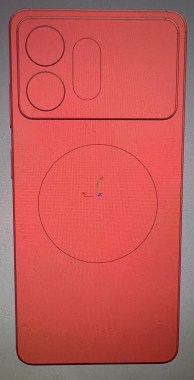
By reshuffling the sensors, Samsung is effectively clearing the "center-top" area of the phone’s back. This design change serves a dual purpose:
- Improved Accessory Compatibility: By clearing space for magnetic rings, the S27 Ultra will be far more compatible with third-party MagSafe-style chargers, wallets, and stands.
- Structural Integrity: The new arrangement is intended to optimize internal heat dissipation, ensuring that the high-powered camera sensors do not conflict with the wireless charging coils located beneath the rear panel.
Implications for the Galaxy S27 Pro
The existence of an "S27 Pro" model changes the competitive calculus for the Ultra. Historically, the Ultra was the only device to offer a true periscope telephoto lens. With the Pro entering the fray with a 3x 12MP lens, the Ultra must justify its premium price tag.
The Ultra will maintain its edge through its superior 5x optical capabilities and its higher-tier primary sensor performance. For the professional photographer or the "power user," the choice between the Pro and the Ultra will likely come down to zoom requirements. Those who frequently capture sports, wildlife, or distant architectural details will still gravitate toward the Ultra, while the Pro will likely serve as the "sweet spot" for users who want flagship-level performance without the bulk and cost of the premium periscope system.
Conclusion: The Path Forward
Samsung’s strategy for the Galaxy S27 Ultra appears to be one of refinement rather than reinvention. By opting to maintain the proven 5x telephoto hardware, the company is signaling that it is confident in the existing optical stack.
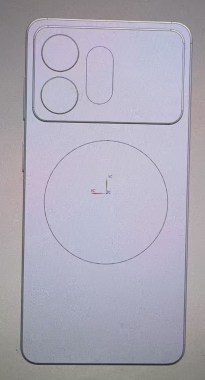
The move away from the 3x telephoto module is a calculated risk that acknowledges the reality of high-megapixel primary sensors. Meanwhile, the physical redesign of the camera housing demonstrates a maturing approach to the "ecosystem" aspect of smartphones, prioritizing user convenience and accessory compatibility alongside raw performance.
As we move toward the official launch, the focus will undoubtedly shift from "what hardware is inside" to "what can the software do with it." If Samsung can leverage its deep expertise in computational photography to extract even more performance from the 5x sensor, the S27 Ultra will remain the gold standard for Android photography, regardless of whether it features "new" hardware or simply better-utilized existing technology.
For now, consumers can look forward to a device that prioritizes the user experience—better handling for accessories, a refined zoom workflow, and the continued reliability of a proven imaging system. The S27 Ultra is shaping up to be a masterclass in iteration, proving that sometimes, the best upgrade is the one that perfects what already works.