Maratha Reservation Standoff: Manoj Jarange-Patil’s Mumbai March Faces Legal and Health Hurdles
By News Desk
September 16, 2026
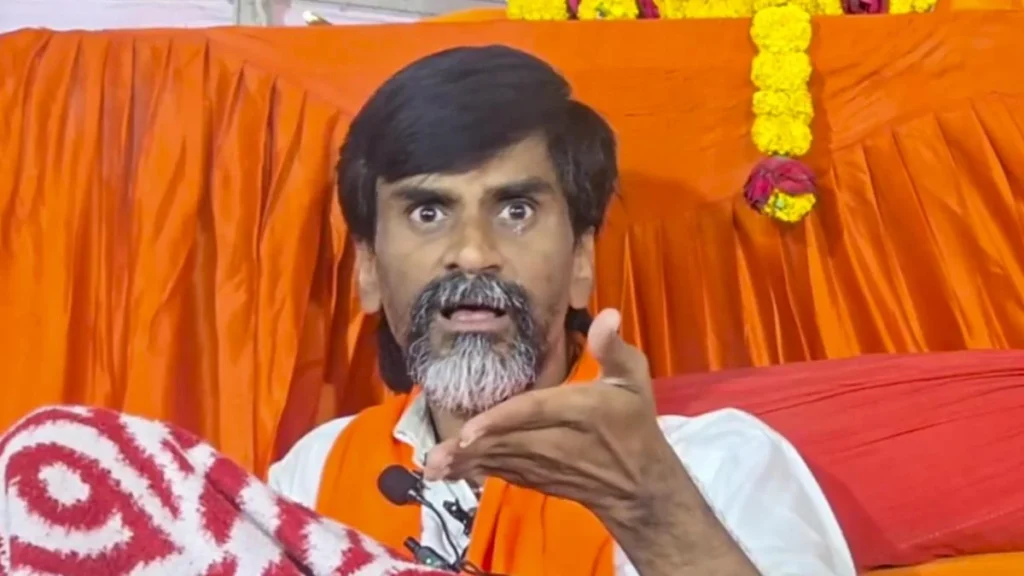
The long-standing agitation for Maratha reservation has reached a critical juncture. Manoj Jarange-Patil, the face of the movement, has reaffirmed his resolve to march to Mumbai’s Azad Maidan by Friday, September 18, 2026, despite significant physical setbacks and escalating legal opposition. As the state administration and the judiciary weigh in on the implications of the protest, the movement finds itself at a crossroads between grassroots fervor and public order.
The Current Standoff: A Race Against Time and Health
On Wednesday, September 16, 2026, Manoj Jarange-Patil announced from his current base in Patoda, Beed district, that he intends to reach Mumbai by 10:00 a.m. this Friday. The activist, who has been on an indefinite hunger strike since August 29, 2026, has seen his physical condition deteriorate rapidly.
Dr. Satish Solanke, the District Surgeon of Beed, confirmed that Jarange-Patil’s health metrics are cause for concern. "His blood pressure and sugar levels have dropped significantly," Dr. Solanke noted, highlighting the toll that weeks of fasting and relentless campaigning have taken on the leader.
Despite medical advice, Jarange-Patil remains steadfast. He plans to depart from Beed on Thursday at 1:00 p.m. However, in a strategic pivot, he has indicated that he will defer the call for the wider Maratha community to congregate in Mumbai. "I will leave on Thursday, but I will declare the date for Maratha community members to join me in Mumbai later," he stated. "The government has sent a draft proposal; I will review it and inform the community accordingly."
This adjustment signifies a change in tactics; the originally planned transit halts in Ahilyanagar’s Shrigonda region and Pune’s Hadapsar have been scrapped, indicating a more direct, albeit physically taxing, route to the state capital.
Chronology of the 2026 Protest Cycle
The current phase of the Maratha reservation agitation is the culmination of a broader timeline that has defined Maharashtra’s political landscape for over a year:
- August 29, 2026: Manoj Jarange-Patil initiates his latest indefinite hunger strike, demanding clear, time-bound legal pathways for the Maratha community to secure OBC (Other Backward Classes) status or a dedicated reservation quota.
- Early September 2026: As the protest gains momentum, the state government initiates backchannel talks, offering draft proposals to address the legal complexities of the reservation demand.
- Mid-September 2026: The Mumbai Police denies permission for the proposed protest at Azad Maidan twice, citing the potential for public disorder and the ongoing Ganeshotsav festival.
- September 16, 2026: With his health declining, Jarange-Patil is forced to camp in Beed while maintaining his commitment to reach Mumbai.
- September 17, 2026 (Upcoming): The Bombay High Court is scheduled to hear a petition filed by the Amy Foundation, which seeks to block the protest from entering Mumbai.
Legal Challenges and Public Order Concerns
The agitation faces its most significant legal hurdle yet. The Amy Foundation, a Mumbai-based entity, has moved the Bombay High Court to prevent the march from proceeding. The petition argues that the mobilization of a "huge crowd" would paralyze the city, specifically citing the current Ganeshotsav festivities, a time when Mumbai’s infrastructure is already under immense strain.
Lawyer Mahendra Ratna, representing the petitioners, articulated the core of their grievance: "The protest will bring a huge crowd, affecting the mobility of thousands of people and causing significant public inconvenience, especially during the auspicious period of Ganeshotsav. Our petition focuses on the fundamental right of the public to move freely without being held hostage by large-scale demonstrations."
The petition references the chaos of previous protests, where key arterial roads were blocked for days, causing economic losses and disrupting emergency services. The court’s decision, expected on Thursday, will likely determine whether the state government will be empowered to take a more assertive stance in curbing the march or if the constitutional right to protest will be upheld in the heart of the capital.
The Political and Socio-Economic Implications
The Maratha reservation issue is not merely a policy debate; it is a profound socio-economic struggle that has reshaped Maharashtra’s electoral and social dynamics.

1. The Impact on Governance
The state government is caught in a precarious position. Denying the right to protest could lead to accusations of suppressing the democratic voice of a dominant community, while allowing a massive, potentially uncontrolled, assembly during a major religious festival risks a breakdown of law and order. The draft proposal mentioned by Jarange-Patil suggests that the government is desperate to avoid a repeat of the massive sit-ins that paralyzed the state in previous years.
2. The Ganeshotsav Factor
The timing of the march coincides with the ten-day Ganeshotsav festival, the most significant cultural event in Mumbai. The city’s police force is currently stretched thin, managing massive processions and security for thousands of pandals. A massive political rally in the city center creates a logistical nightmare for authorities, who must balance the cultural sanctity of the festival with the security requirements of a high-tension political protest.
3. The Community Sentiment
For the Maratha community, the reservation is a matter of identity and economic survival. Supporters argue that without reservation, the youth of the community are falling behind in the competitive job market and education sectors. Jarange-Patil has successfully tapped into this sentiment, building a movement that operates largely outside the formal structures of traditional political parties. His ability to mobilize thousands with a single call is a testament to the depth of frustration within the community.
Evaluating the Government’s Response
The state administration’s strategy has been one of "cautious engagement." By sending draft proposals to Jarange-Patil, the government is attempting to signal that it is listening, even as it denies official permission for the Mumbai protest.
Critics, however, argue that this approach is merely "kicking the can down the road." The failure to provide a permanent, legally robust solution to the reservation issue has allowed the protest to fester. The repeated denial of permission by the Mumbai Police—twice in the last few weeks—indicates that the administration is preparing for a confrontation.
If the High Court rules in favor of the petitioners, the government will have the legal cover to stop the march before it reaches the city limits. If the court permits the protest with conditions, the government faces the monumental task of managing a massive, emotionally charged crowd without sparking violence.
Conclusion: A Delicate Balance
As the clock ticks toward Friday, all eyes are on the Bombay High Court and the health of Manoj Jarange-Patil. The situation remains fluid. Whether the march reaches Azad Maidan or is diverted by legal or health-related constraints, the underlying issues of the Maratha reservation remain unresolved.
The movement led by Jarange-Patil has become a litmus test for the state’s ability to handle long-term social grievances in a peaceful, democratic manner. The coming days will be critical—not just for the protesters and the government, but for the millions of Mumbaikars who await clarity on whether their city will witness a massive political upheaval or a return to the normalcy of the festive season.
The ultimate resolution will require more than just legal judgments; it will necessitate a constructive, transparent dialogue between the state and the agitators to ensure that the aspirations of the Maratha community are addressed without destabilizing the social and economic life of Maharashtra.
(Disclaimer: This report is based on current available information as of September 16, 2026. Further updates will be provided as the legal proceedings in the Bombay High Court unfold.)