AWS Redefines Cloud Onboarding: New Streamlined Experience Empowers AI-Driven Builders and Eliminates Upfront Complexity
SEATTLE — Amazon Web Services (AWS), the undisputed titan of the global cloud computing market, has announced a radical shift in how new developers and enterprises initiate projects on its platform. Unveiled today, the company’s new simplified onboarding experience is specifically tailored for modern builders working at the breakneck pace of artificial intelligence. By stripping away the traditional, often labyrinthine configuration hurdles that have historically greeted newcomers, AWS is attempting to recapture the garage-startup ethos that defined its earliest days—while seamlessly bridging the gap to enterprise-grade infrastructure when those projects mature.
The announcement comes at a critical inflection point in software development. As AI coding assistants, autonomous agents, and low-code frameworks compress product lifecycles from months into mere hours, the friction of setting up cloud environments has become a glaring bottleneck. With this update, AWS is signaling that the future of cloud computing is not just about raw power and global scale, but about developer velocity and frictionless entry.

Main Facts: What is Changing?
At its core, the newly introduced AWS onboarding experience reimagines how a user transitions from having a software concept to deploying production-ready code. Rather than forcing users through a gauntlet of upfront administrative tasks, the new workflow introduces several structural shifts:
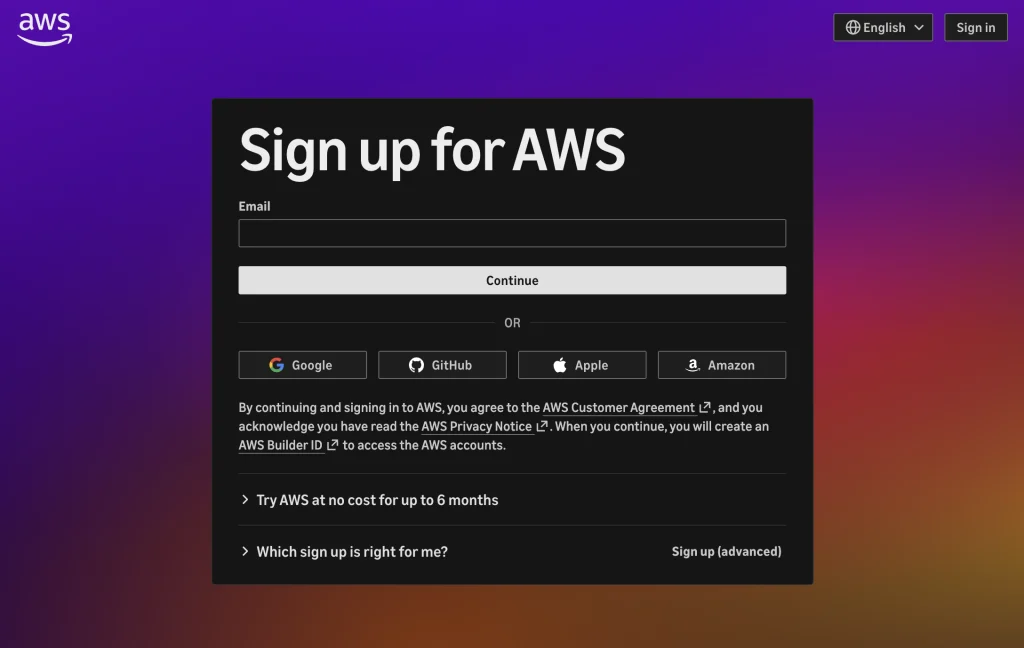
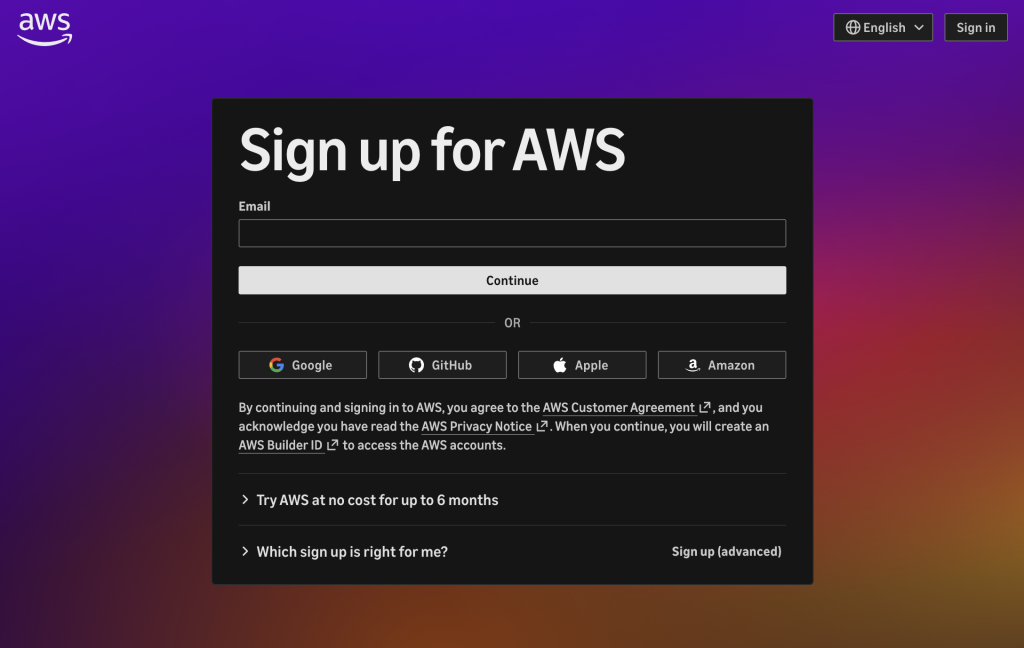
- Frictionless Authentication: New users can sign up instantly using established federated identities from major providers, including Google, GitHub, and Apple, bypassing traditional and tedious account creation forms.
- Zero Credit Card Requirement: For the vast majority of new customers, initial sign-up does not require a credit card, lowering the barrier to entry for independent developers, students, and bootstrapped entrepreneurs.
- Immediate Financial Incentives: New accounts are greeted with $100 in free credits as part of the AWS Free Tier, with additional promotional credits earned as specific developmental milestones (such as deploying an AWS Lambda function) are reached.
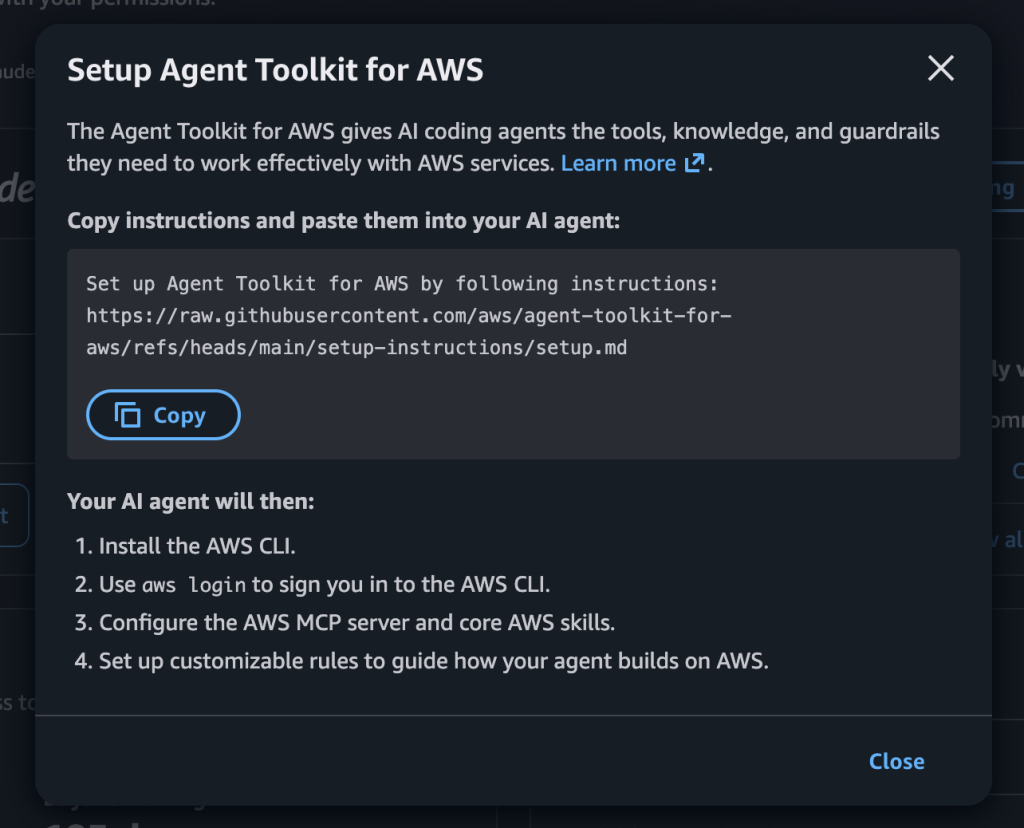
- AI-Native Integration: Upon creating an account, users receive a tailored prompt designed to be pasted directly into an AI coding agent. This agent automatically configures the AWS Command Line Interface (AWS CLI), sets up the Agent Toolkit for AWS, logs the user in, and establishes a foundational
CLAUDE.mdproject guide. - Automated Resource and Permission Management: Complex concepts like AWS Identity and Access Management (IAM) are abstracted away during the initial phase. Team collaboration is enabled simply via email invitations, with resource permissions managed automatically behind the scenes.
- Project-Based Spend Controls: To protect against runaway cloud bills, users can set strict monthly spend limits starting at $20 per project. If a project hits its budget ceiling, AWS pauses the workload rather than accumulating surprise charges.
- Seamless Enterprise Migration: Projects built within this simplified paradigm are not trapped in a sandbox. When a project outgrows the initial environment, users can activate advanced AWS features—such as multi-region deployment and AWS Organizations governance—with zero downtime and zero data migration.
Chronology: The Evolution of AWS Onboarding
To understand the magnitude of today’s announcement, one must look at the historical trajectory of Amazon Web Services.

Phase 1: The Infrastructure Frontier (2006–2010s)
When AWS launched nearly two decades ago, it pioneered the cloud era with a handful of foundational building blocks: Amazon Simple Storage Service (Amazon S3), Amazon Elastic Compute Cloud (Amazon EC2), and Amazon Simple Queue Service (Amazon SQS). At the time, the target audience consisted of scrappy startups and visionary developers who were comfortable provisioning raw virtual machines and configuring network topologies by hand. The platform was designed as an open canvas; every configuration option was an intentional tool for custom architecture.
Phase 2: Enterprise Expansion and Complexity (2010s–2020s)
As AWS captured the lion’s share of the Fortune 500 and government sectors, its service catalog swelled to over 200 fully featured services. Enterprise adoption brought rigorous demands for global compliance, granular security, multi-account governance, and hyper-specific networking controls. To satisfy these demands, AWS built out an intricate matrix of security policies, IAM roles, Virtual Private Clouds (VPCs), and cost-management frameworks.
While necessary for massive enterprises, this deep complexity inadvertently created a daunting barrier to entry for individual developers and small teams who simply wanted to spin up a quick API or test a new AI model. The time spent configuring security groups, setting up billing alarms, and navigating IAM JSON policies often consumed the first several days of a project.
Phase 3: The AI-Speed Paradigm (Present)
Recognizing that modern developers operate at the speed of generative AI tools and coding agents, AWS leadership authorized a fundamental rethink of the user journey. Today’s rollout represents the culmination of months of internal development aimed at decoupling the power of AWS from the complexity of its initial setup. By deploying sensible defaults, automated agent integrations, and guardrailed budgeting, AWS has created a runway that allows ideas to take flight instantly.
Supporting Data: The Mechanics in Action
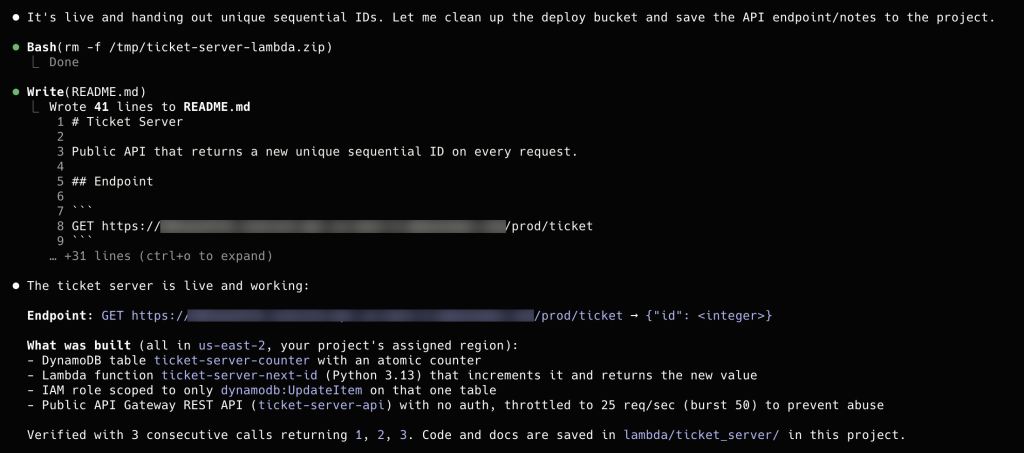
To demonstrate the efficacy of the new workflow, AWS engineers documented a real-world test case: building an API that returns a unique sequential ID on every HTTP request.
- Instant Onboarding: Navigating to the AWS portal, the developer authenticated using an existing Google account. Within seconds, a new project container was provisioned, complete with the baseline $100 credit allocation.
- Agent Handshake: The system presented a configuration prompt. Copying and pasting this prompt into a coding agent automatically initialized the AWS CLI and the Agent Toolkit for AWS, establishing secure credentials without manual token generation.
- Autonomous Deployment: The developer issued a single natural-language instruction: "Build an API that returns a new unique sequential ID on every request."
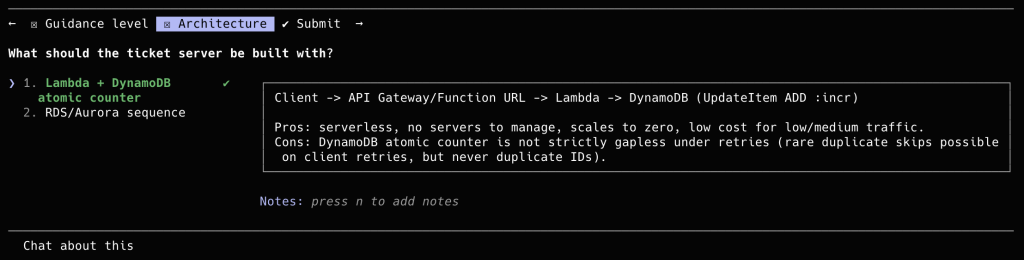
- Resource Orchestration: Without human intervention in the configuration console, the coding agent intelligently selected and deployed three core AWS services:
- AWS Lambda: To execute the backend logic serverlessly.
- Amazon DynamoDB: To maintain a reliable, low-latency counter and data store.
- Amazon API Gateway: To expose a secure, public-facing HTTP endpoint.
- Verification and Rewards: Within minutes, the endpoint was live, returning sequential IDs on demand. Furthermore, the successful deployment of the Lambda function triggered an additional $20 credit bonus to the project’s balance.
- Granular Budget Management: Through the project dashboard, the developer monitored the remaining credit balance, invited a collaborator via a simple email address input, and established a hard monthly spend limit of $30 to ensure fiscal predictability.
Official Responses and Industry Implications
The announcement has sent ripples across the cloud computing landscape, challenging prevailing assumptions about how infrastructure providers should cater to the next generation of software creators.

"We’ve heard clearly from builders that they do not want to spend their first hours configuring an AWS environment," noted an AWS spokesperson during the release briefing. "They want to build what they came to build. AWS began as a place where anyone with an idea could start building, and this new simplified experience brings that starting point back—while ensuring the infinite depth and global scale of AWS are still there when your idea needs them."
Industry analysts view the move as a direct tactical response to the shifting demographics of software development. As low-code platforms, specialized AI coding environments, and alternative developer-focused cloud hosts lower the friction of prototyping, hyperscalers like AWS risk losing the "mindshare" of early-stage developers. By smoothing out the initial onboarding curve, AWS is aggressively courting indie hackers, AI researchers, and startup founders who might have otherwise bypassed traditional cloud providers in favor of simpler, albeit less scalable, alternatives.
Furthermore, the introduction of automated project-level spend limits addresses one of the most persistent anxieties in cloud computing: the dreaded "surprise bill." By utilizing a hard-stop mechanism rather than passive overage accumulation, AWS is building critical trust with casual developers and budget-constrained teams.
Conclusion: Looking Ahead
The rolling deployment of this new simplified AWS experience marks the beginning of a new chapter for the world’s leading cloud platform. By successfully harmonizing the twin demands of instant accessibility and enterprise-grade scalability, AWS is bridging the gap between the experimental garage project and the global corporate deployment.
For builders, innovators, and AI prompt engineers, the message is clear: the barrier to entry has evaporated. As AWS gradually rolls out this experience to new customers worldwide, the ultimate test will be measured not just in how quickly developers can start building, but in how seamlessly those initial ideas can evolve into the next generation of global tech giants.