The AI Revolution on TikTok: How New Automation Tools Are Democratizing Short-Form Video Advertising
By Global Business & Technology Desk
Published: October 2026
Executive Summary & Main Facts
For years, small-to-medium-sized business owners (SMBs) and independent marketers looked at TikTok Ads Manager with a mixture of intrigue and intimidation. Navigating its complex interface, deciphering data parameters, and managing multi-tiered short-form video campaigns often demanded specialized media-buying expertise and dedicated development resources.
Today, that barrier to entry is collapsing. TikTok has rolled out a suite of advanced, artificial intelligence-powered capabilities—most notably the Agentic Hub, Symphony Creative Studio, and Content Suite—that allow anyone with a basic business objective to plan, execute, and optimize ad campaigns using plain, conversational language.
By integrating Model Context Protocol (MCP) servers, tools like ChatGPT and Claude can now communicate directly with TikTok Ads Manager. This shift effectively eliminates the need for manual API coding or deep native platform navigation. Concurrently, native production tools like Symphony Creative Studio enable brands to spin up dozens of product-focused video variations from simple text briefs, fundamentally altering the economics and workflow of digital advertising.
However, industry experts caution that while AI drastically accelerates production and lowers technical barriers, it is not a "set-and-forget" panacea. Human intuition, creative oversight, and a nuanced understanding of audience psychology remain the ultimate differentiators in an increasingly crowded algorithmic feed.
Chronology: The Evolution of TikTok’s AI Advertising Infrastructure
To understand how TikTok reached its current automated ecosystem, it is helpful to trace the technological milestones that paved the way for the Agentic Hub:
- The Manual Era (Pre-2024): Marketers relied entirely on human media buyers to manually input campaign parameters, build custom lookalike audiences, and upload individual video creatives directly through the native Ads Manager interface. Integrating external AI assistants required hiring software developers to construct custom, brittle API bridges.
- The Rise of Generative Video (2024–2025): Early creative suites introduced basic text-to-video capabilities and automated captioning. While helpful, these systems operated in silos, requiring marketers to constantly export and import assets between third-party AI generators and native ad dashboards.
- The MCP Breakthrough & Agentic Hub Launch (2026): TikTok introduced the Model Context Protocol (MCP) framework, creating a secure, two-way communication bridge between external large language models (LLMs)—such as ChatGPT and Claude—and TikTok Ads Manager. This led to the launch of the Agentic Hub, a centralized marketplace for downloadable AI skills, workflows, and automated diagnostic tools.
Supporting Data & Industry Insights
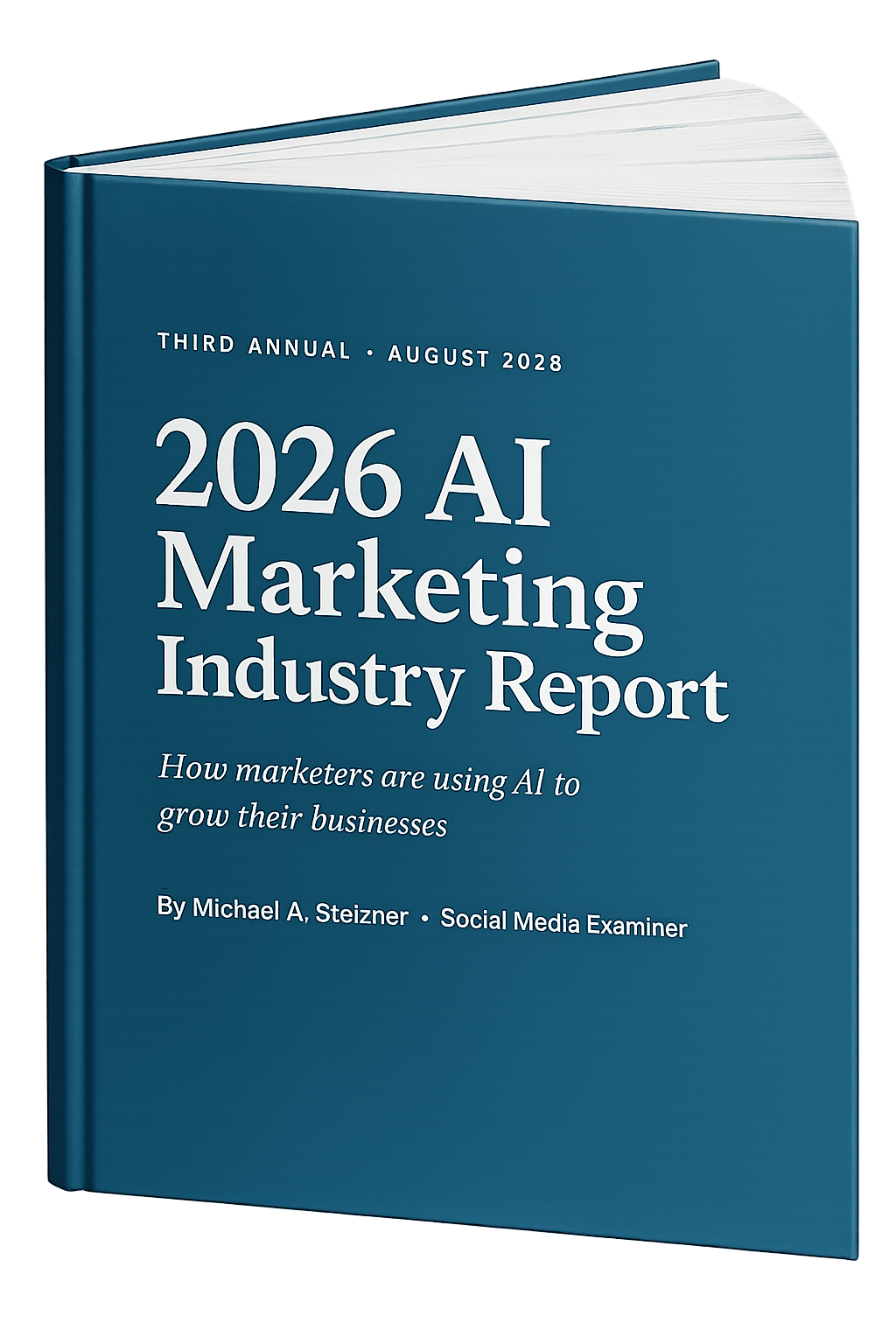
As marketing departments scramble to adapt to these new efficiencies, industry data reveals both widespread adoption and critical operational gaps. According to findings from the Third Annual AI Marketing Industry Report, which surveyed 681 global marketers:
- 85% of marketers are currently learning and mastering artificial intelligence tools entirely through independent experimentation rather than formal corporate training programs.
- Only 7% report receiving structured AI education from their employers.
- More than 50% of marketing professionals are personally financing their own AI software stack to stay competitive in the fast-moving digital landscape.
These statistics underscore a massive operational shift: while platform ecosystems like TikTok are making advanced advertising features universally accessible via chat interfaces, the burden of upskilling has fallen almost entirely on individual practitioners and nimble business owners.
Core Innovations: Breaking Down TikTok’s New AI Arsenal
1. The Agentic Hub and MCP Integration
The cornerstone of TikTok’s new accessibility play is the Agentic Hub, powered by the Model Context Protocol. MCP acts as a secure translator between conversational AI tools and programmatic ad architecture.
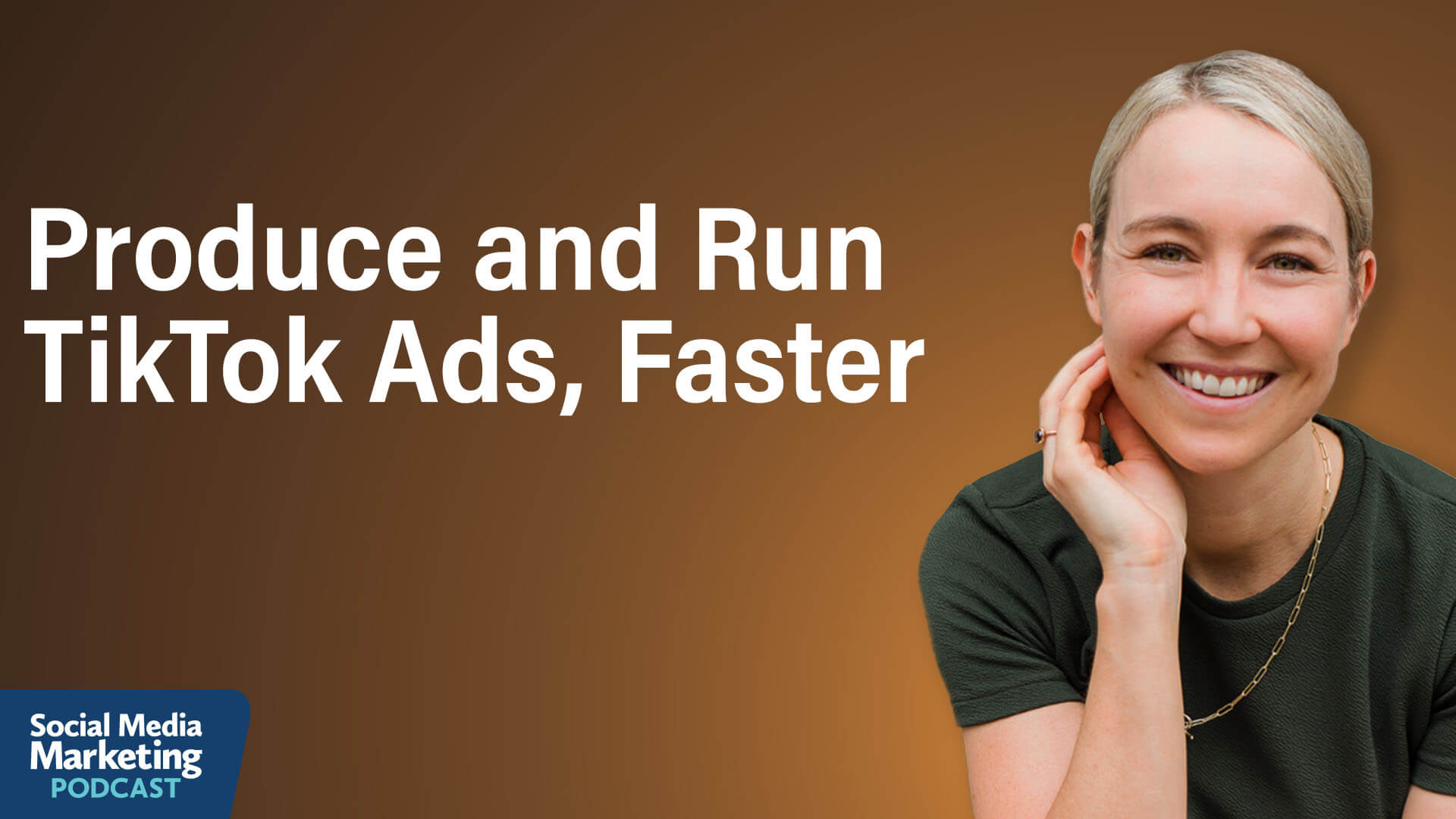
As short-form video expert Melissa Laurie describes it:
"Think of TikTok Ads Manager as the restaurant, the MCP protocol as the waiter, and your AI assistant—like Claude or ChatGPT—as the menu."
Once connected, marketers can bypass traditional dashboard navigation entirely. Instead of clicking through dropdown menus to pull a performance report, a user can simply prompt the AI: "Which of our campaigns had the strongest hooks over the weekend, and where should we reallocate our budget?"
Depending on the permissions granted, these connections can operate in a read-only mode (ideal for secure data reporting and brainstorming) or a read-and-write mode (allowing the AI to draft campaigns, adjust bids, and alter targeting configurations directly from the chat window).
2. Official AI Skills as Expert Shortcuts
TikTok has developed a library of official "AI skills"—downloadable instruction sets that live inside models like Claude or ChatGPT. These skills function like prebuilt institutional expertise, training general-purpose LLMs to execute specific platform tasks.
Key skills available in the marketplace include:
- The Viral Video Creator: Analyzes millions of top-performing TikTok ads to help marketers reverse-engineer hook structures, pacing, and calls to action.
- Ad Group Optimizer & Account Diagnosis Co-pilots: Continuously monitor campaign health, flag creative fatigue, and suggest strategic pivots.
- C-Dance Video Creation: A proprietary video generation skill developed by ByteDance.
Crucially, these skills exhibit cross-platform interoperability. A marketer can utilize TikTok’s copywriting skill to draft ad copy for Meta, or apply an Instagram-focused framework to optimize TikTok short-form assets, representing a major break from historical walled-garden ecosystems.
3. Symphony Creative Studio: Scaling Content Production
Symphony Creative Studio is TikTok’s native generative video hub. Utilizing the upgraded Symphony Agent, the tool ingests brand guidelines, business goals, and real-time platform trends to generate complete ad packages—including product briefs, storyboards, scripts, and finished videos—from a single text prompt.
For product-based e-commerce brands, the efficiency gains are staggering. For example, furniture retailers and beauty brands are currently using the tool to generate upward of 100 localized video variations per week, spotlighting distinct SKUs without the overhead of traditional physical shoots.
Official Responses & Industry Perspectives: Where AI Still Falls Short
Despite the immense promise of automated ad creation, seasoned practitioners urge caution against over-reliance on unedited generative output.
The Limitations of AI Avatars
While AI-generated video works exceptionally well for abstract product showcases (such as rendering the texture of a cosmetic gloss or highlighting mechanical parts), human-centric AI video generation faces a severe trust deficit.
According to Melissa Laurie, the consensus among major consumer brands is that synthetic human presenters are not yet mature enough to drive authentic conversions.
"An AI avatar saying, ‘All my friends are talking about this product,’ immediately triggers consumer skepticism," Laurie notes.
Consequently, leading brands are favoring a hybrid approach: real human creators film authentic demonstrations, while AI is layered on top to introduce dynamic visual elements—such as animated graphical enhancements or before-and-after visual metaphors.
The Pitfall of Blindly Following AI Recommendations
Platform algorithms and AI assistants prioritize institutional efficiency, but they lack contextual nuance. For instance, when a newly launched creative has been running for only 48 hours, TikTok’s automated diagnostic AI might recommend pausing it due to underperformance compared to legacy ads.
However, this recommendation often ignores the platform’s inherent bias toward established creative momentum. Effective marketers must maintain editorial control, actively challenging AI recommendations with prompts like: "What is an alternative way to structure this?" or "Could we be scaling this differently?" When challenged, AI tools routinely revise and improve their initial directives.
Strategic Implications: How to Build High-Performing Short-Form Video
As generative tools lower the barrier to entry, the baseline quality across TikTok’s feeds rises, making differentiation harder. To stand out, marketers must master the foundational anatomy of a high-converting short-form video.
The Anatomy of a High-Performing TikTok Video
- The First Frame: In a fast-scrolling feed, a brand competes not just with direct competitors, but with every piece of entertainment on the platform. The very first frame must instantly justify why a viewer should stop scrolling.
- Billboard Text: Large-format on-screen text overlays that function like highway billboards—communicating the core value proposition in a single glance.
- The Opening Hook: Spoken words must immediately reinforce the visual prompt without giving away the final reveal too early. Teasing the implications of a topic first keeps retention high.
- The "Glue": Seamless transitional elements that bridge the opening hook to the substantive middle content, preventing early drop-offs.
- Tight Middle Content: When delivering tips or product benefits, grouping them into concise sets of three maintains optimal pacing.
- A Sharp Ending: Avoid the common mistake of slowing down speech at the conclusion, which signals to viewers that the video is ending and encourages them to scroll. A crisp, abrupt cut signals high completion rates to the algorithm, boosting organic distribution.
The Power of Authentic Presentation
Staged, ultra-polished commercial spots frequently underperform on TikTok because users instinctively register them as traditional advertisements. Videos shot in natural environments—such as a creator discussing a product while walking down a busy street or applying makeup—consistently outperform sterile studio productions.
Even within these raw formats, light editing practices like jump cuts, clear captions (for silent scrollers), and structured talking points are essential to maintain narrative momentum.
Conclusion
The convergence of artificial intelligence and advertising platforms like TikTok has permanently democratized digital marketing. Small business owners no longer need expensive enterprise agency budgets or deep technical proficiencies to launch sophisticated campaigns.
However, technology has merely shifted the marketer’s time investment from manual execution to strategic prompting, creative curation, and brand governance. In the age of automated scale, the ultimate competitive advantage is no longer access to tools—it is the human ingenuity required to direct them.