Beyond the Viral Illusion: Why Modern Businesses Are Trading One-Hit Wonders for Binge-Worthy Video Series
By the Editorial Team
Co-created by Daryn Strauss and Michael Stelzner
In the hyper-competitive digital marketplace, chasing viral hits has become the modern marketer’s equivalent of chasing a mirage. While a flash-in-the-pan video might rack up millions of fleeting views overnight, it rarely translates into sustainable revenue, loyal brand advocacy, or predictable customer acquisition. Casual viewers click, consume, and vanish into the algorithmic ether, leaving behind empty view counts and zero emotional connection.
Today, forward-thinking businesses and personal brands are pivoting away from isolated viral stunts in favor of a much more deliberate strategy: the episodic video series.
According to industry strategists, the shift toward serialized content is no longer just a creative preference—it is a structural necessity dictated by changing consumer habits and platform algorithms. By designing content that brings viewers back episode after episode, brands can build the deep, foundational trust required to turn cold prospects into lifelong customers.
The Main Facts: The Mathematics of Modern Trust and the Series Revolution
The fundamental argument for serialized video is anchored in established consumer psychology. Industry benchmarks, notably Google’s well-known 7-11-4 Rule, dictate that a modern buyer generally requires:
- 7 hours of content consumption,
- 11 touchpoints, and
- Engagement across 4 different platforms before committing to a purchase.
A single viral video simply cannot satisfy these metrics. It generates temporary attention, but it fails to build a relationship or establish a reliable path to a sale. Series content, conversely, is intentionally architected to nurture that relationship over time. Each return visit deepens the viewer’s trust in the creator or brand—a dynamic that is particularly potent for founders and personal brands, where audiences inherently trust the human face behind the business far more than a corporate positioning statement.
Major tech platforms have recognized this behavioral shift and are rapidly reshaping their digital infrastructure to support it:
- YouTube recently launched a dedicated "Show" feature for partner channels, allowing creators to organize serialized episodes that stack sequentially—mimicking the binge-watching architecture of Netflix.
- TikTok introduced a specialized series-focused app dubbed Pine Drama.
- Instagram continues to push its "Signature Series" format, encouraging creators to develop repeatable, recognizable multi-episode content frameworks.
Crucially, industry experts emphasize that launching a successful video series does not require a Hollywood production budget or an extensive crew. The rising popularity of low-friction formats—such as the Instagram "yapping" trend, where creators speak directly to the camera in unscripted, conversational tones—proves that audiences are not tuning in for high-end cinematic polish. They are returning for compelling storytelling and authentic human connection.
Chronology of the Shift: From Random Uploads to Serialized Ecosystems
The evolution of digital video content has moved through three distinct phases over the past decade:
- The Wild West of Volume (2014–2018): Brands focused heavily on output frequency, uploading disconnected promotional clips, tutorials, and ads in the hope that something would accidentally catch fire in the feed.
- The Viral Lottery Era (2019–2023): Propelled by short-form video algorithms, marketers obsessed over hooks, trends, and audio clips designed to maximize instantaneous reach, largely ignoring long-term retention and customer lifetime value.
- The Episodic Infrastructure Era (2024–Present): Major platforms have overhauled their interfaces to prioritize retention, playlists, and serial discovery. Creators and businesses are now responding by structuring their content ecosystems like television networks, utilizing frameworks that systematically guide viewers from casual onlookers to deeply invested community members.
Supporting Data & Frameworks: The Anatomy of a Successful Video Series
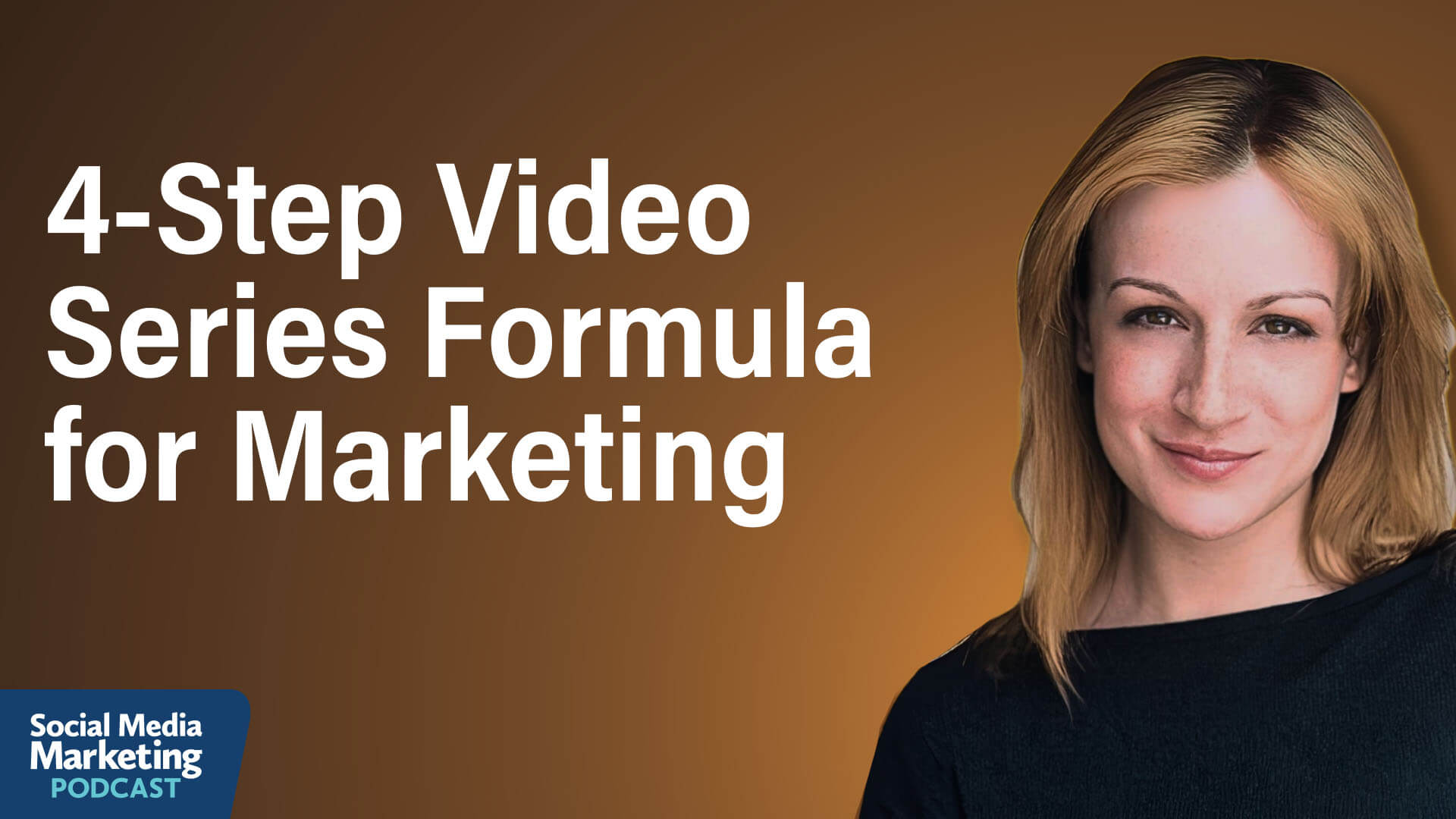
To help creators transition from sporadic posting to systematic series-building, content strategist Daryn Strauss has outlined three foundational frameworks: The 4H Formula, The Story Vault, and The Golden Series Formula.
1. The 4H Formula for Individual Videos
When structuring individual episodes within a series, creators can utilize the four-part 4H Formula (Hook, Heart, Help, Hero) to maintain a consistent narrative arc:
- Hook: Establishes the core problem immediately and sets clear stakes for the viewer. Like the opening of a crime procedural drama, it drops the audience directly into the action rather than wasting time with lengthy introductions.
- Heart: Builds rapid trust by sharing a "bite-sized backstory." Instead of a full autobiography, the creator explains their personal connection to the problem or outlines their credentials simply: Before, I was in X situation; then a catalyst occurred; now I help Y group achieve Z result. For creators lacking traditional credentials, authority can be established through intense effort ("I spent the last 15 days researching this") or by learning in public.
- Help: Delivers the core educational value, insights, or tactical frameworks promised in the hook.
- Hero: Positions the viewer as the ultimate hero of their own journey, with the creator acting strictly as a guide. The call to action at this stage feels like a natural next step—such as watching the next episode in the series—rather than an aggressive sales pitch.
2. The Story Vault and Re-Hooking
Because artificial intelligence tools can generate raw facts and information instantaneously, human perspective has become a creator’s primary differentiator. Strauss recommends building a Story Vault—a curated repository of personal experiences, organized by theme, that can be seamlessly woven into educational content.
To prevent personal stories from becoming self-indulgent, creators must practice re-hooking: regularly checking in with the viewer throughout the video, treating the camera as a single, conversational partner rather than an anonymous broadcasting stadium.
3. The Golden Series Formula
Moving from isolated videos to a cohesive series requires four core pillars:

- Character (Creator Archetypes): Establishing the specific role a creator plays for their audience (e.g., Visionary, Underdog, Sage, Rebel, or Problem Solver). This prevents the "comparison trap" and shapes the visual and tonal style of the content.
- The Quest: The overarching, unresolved central conflict that drives the entire series forward across multiple episodes (e.g., a personal transformation, an external investigation, or a high-stakes challenge).
- Tension: The deliberate creation of unanswered questions that compel the viewer to click on the next episode.
- Repeatable Format: A recognizable structural template (such as theme-based deep dives or serialized case studies) that reinforces topical authority and satisfies algorithmic evaluation.
Official Responses and Industry Perspectives
Marketing leaders and platform architects are increasingly vocal about the necessity of long-form relationship building over short-form vanity metrics.
"A viral hit generates attention, but the viewer who watches that one video rarely comes back for anything else," notes media strategist Michael Stelzner. "There’s no relationship built, no emotional investment, and no path to a sale. Series content is built to support a relationship."
Platform engineers have echoed these sentiments through their recent product rollouts. By building native features that encourage binge-watching—such as sequential playlist stacking and dedicated series tabs—social networks are actively signaling that sustainable creator economies depend on retention, predictability, and serialized depth.
Implications for Businesses and Marketers
The transition from single-video marketing to episodic series content carries profound implications for digital strategists, small business owners, and corporate communications teams:
- Resource Allocation: Marketing budgets must shift away from high-production, one-off promotional films and toward consistent, sustainable episodic programming that can be produced efficiently.
- SEO and Algorithmic Favorability: As AI-generated content floods the web, search engines and recommendation algorithms increasingly favor topical depth. Theme-based video series signal genuine subject-matter expertise far more effectively than scattered, disconnected clips.
- Sales Conversion Pathways: By transforming cold traffic into a dedicated audience that consumes hours of serialized content, businesses effectively pre-qualify their leads. By the time a viewer encounters an offer, the foundational trust required for a transaction has already been established.
Ultimately, businesses that master the art of the video series will stop renting temporary attention through viral gambles and begin owning permanent, high-value relationships with their ideal customers.