Empowering the Modern Data Ecosystem: Inside "Flow" and the Future of Data-Driven Leadership

In the rapidly evolving landscape of digital transformation, the role of the data engineer has shifted from a back-office support function to the cornerstone of modern corporate strategy. As organizations struggle to reconcile massive data volumes with the urgent need for real-time decision-making, a new platform has emerged to bridge the knowledge gap: Flow.
Designed as a centralized hub for data professionals, Flow is redefining how modern data teams learn, connect, and grow. By curating high-level educational content, technical deep dives, and community-driven insights, the platform aims to solve the "complexity crisis" currently plaguing data-driven enterprises.
The Genesis of Flow: A New Standard for Data Education
The data industry is currently undergoing a "great fragmentation." With an explosion of tools, stacks, and methodologies, practitioners often find themselves lost in a labyrinth of conflicting information. The launch of Flow represents a concerted effort to consolidate this fragmented knowledge.
Flow was conceived as more than just a resource library; it is a community-driven initiative for data leaders. Its mission is to move beyond mere tool-specific tutorials and instead foster a deeper understanding of architectural design, strategic implementation, and industry-wide best practices. By providing access to comprehensive ebooks, technical videos, and expert analysis, Flow is positioning itself as the "central nervous system" for data engineering professional development.
Chronology of the Data Engineering Shift
To understand why platforms like Flow are becoming essential, one must examine the evolution of the modern data stack:

- Pre-2015: The On-Premise Era. Data management was largely restricted to monolithic, hardware-heavy systems requiring specialized, siloed expertise.
- 2015–2020: The Cloud Migration. The rise of cloud-native data warehouses and the adoption of ELT (Extract, Load, Transform) methodologies changed the game. Teams began prioritizing speed and scalability.
- 2020–2023: The Complexity Surge. The proliferation of SaaS tools and the democratization of data led to an overwhelming number of options. Teams began to suffer from "tool fatigue" and rising costs associated with Monthly Active Row (MAR) pricing models.
- 2024 and Beyond: The Era of Optimization and Intelligence. The current focus has shifted toward efficiency, real-time analytics, and building robust, cost-effective pipelines that prioritize business outcomes over vanity metrics.
Flow sits at the epicenter of this final phase, providing the guidance necessary to navigate the complexities of contemporary data architecture.
Bridging the Knowledge Gap: Key Educational Pillars
The platform’s content strategy is categorized into three critical domains, each designed to address the pain points of modern data leaders.
1. Mastering Real-Time Analytics
In an economy defined by instant gratification, the delay between data generation and data consumption is a competitive liability. Flow’s focus on Streaming Data Engineering addresses this, offering deep dives into how organizations can transition from batch processing to real-time pipelines. Their literature on the subject is designed to move teams away from legacy "nightly batch" mentalities.
2. Demystifying the Analytics Stack
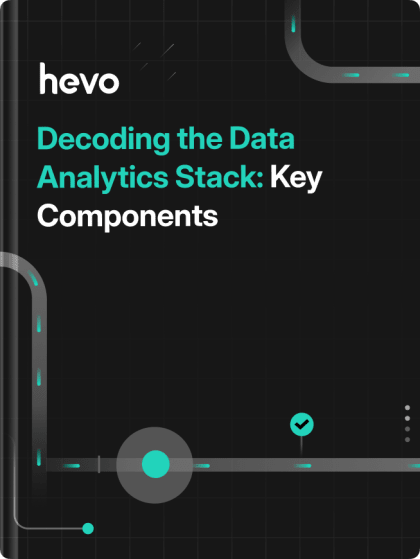
One of the most frequent challenges for junior and mid-level data engineers is understanding how disparate tools—from ingestion engines to BI dashboards—interoperate. Flow’s "Decoding the Analytics Stack" initiatives provide a holistic view of the ecosystem, helping teams avoid "vendor lock-in" and ensuring that their infrastructure is modular and future-proof.
3. Strategic ETL Evaluation
Perhaps the most significant value-add is the practical guidance on evaluating ETL (Extract, Transform, Load) solutions. With the market flooded with vendors, Flow offers a rigorous framework for assessing ROI, scalability, and technical compatibility, effectively acting as an independent consultant for its user base.

Industry Insights: Navigating the "Pricing Trap"
A defining characteristic of Flow’s editorial stance is its willingness to address the uncomfortable truths of the industry, particularly regarding vendor pricing models.
The MAR-Pricing Trap
A recurring theme in the platform’s video content is the danger of "Monthly Active Row" (MAR) pricing. Many vendors incentivize data volume, which can lead to runaway costs as a company’s data footprint grows. Through content such as "Fivetran MAR-Pricing Trap: Your Data Teams Do Not Know About," Flow serves as an essential watchdog.
The platform encourages data leaders to "choose the red pill"—a metaphor for seeing the reality of their infrastructure costs—and move toward more transparent, value-based pricing models. This critical perspective distinguishes Flow from other vendor-led educational hubs, which often prioritize marketing over technical advocacy.
The Human Element: Building a Community of 18K+ Leaders
Data engineering is fundamentally a human endeavor. Technology is only as effective as the team implementing it. Flow has successfully cultivated a community of over 18,000 data professionals, ranging from data analysts to CTOs, who utilize the platform’s newsletter and community events to share experiences.
The newsletter, in particular, has become a staple for industry professionals. Rather than bombarding subscribers with marketing fluff, the content focuses on "getting smarter with every edition," providing summaries of new developments, architectural tips, and cautionary tales from the field.
Implications for the Future of Data Engineering
The rise of a platform like Flow signals a significant shift in how the data industry matures. We are moving away from an era of "tool-first" development toward a "knowledge-first" strategy.
1. Standardized Best Practices
As Flow continues to curate and publish expert-vetted guides, it is effectively helping to standardize the language and practices of data engineering. This uniformity is crucial for cross-functional collaboration, ensuring that stakeholders, analysts, and engineers are speaking the same technical dialect.
2. The Rise of the "Architect-Engineer"
The content provided by Flow promotes a higher-level mindset. It encourages engineers to think like architects—considering total cost of ownership, long-term scalability, and the business impact of their pipelines. This will likely lead to a new generation of data leaders who are as comfortable in a boardroom as they are in a command-line interface.
3. Increased Vendor Accountability
By educating the user base on how to evaluate tools, perform migrations, and spot pricing traps, platforms like Flow increase the pressure on software vendors to innovate. When customers are more informed, vendors are forced to compete on quality, integration, and transparent pricing rather than opaque marketing tactics.
Final Thoughts: A Call to Action for Data Teams
The journey of a modern data team is fraught with challenges, from the technical hurdles of configuring PostgreSQL pipelines in Hevo to the high-level strategic decision of choosing the right warehouse architecture.

Flow offers a sanctuary from this noise. It reminds us that while tools will always change, the core principles of data integrity, scalability, and strategic alignment remain constant. For those looking to stay ahead in a fast-paced market, the platform provides the essential resources to transform data into a true corporate asset.
As we look toward the future, the success of organizations will depend on their ability to learn, connect, and grow. Platforms like Flow are not merely optional resources; they are becoming the foundational infrastructure upon which the next generation of data-driven enterprises will be built.
Whether you are a seasoned data engineer or a leader looking to optimize your team’s stack, the message is clear: Stay informed, question the status quo, and join the community that is actively defining the future of data.
Join the movement at Flow. Because in a world of infinite data, the most valuable commodity is knowledge.