The Visual Prescription: Top 5 Video Editing Tools for Healthcare Marketing in 2025
In the rapidly evolving landscape of digital healthcare, video content has emerged as the definitive medium for bridging the gap between clinical complexity and patient understanding. As we move further into 2025, the healthcare sector—spanning private practices, large-scale hospital systems, and cutting-edge medical technology firms—is increasingly relying on video to humanize brands, showcase medical expertise, and simplify intricate health information.
However, healthcare marketers operate under a distinct set of constraints that distinguish them from their counterparts in retail or tech. The necessity of maintaining strict HIPAA compliance, the sensitivity of medical data, and the overarching requirement for clinical credibility mean that video production is not merely about aesthetics; it is about building trust.
To meet these demands, organizations require sophisticated yet accessible video editing tools. This guide explores the premier software options available in 2025 that empower healthcare professionals to produce broadcast-quality content while navigating the unique challenges of the medical industry.
The Strategic Importance of Video in Modern Healthcare
Video marketing has transformed from an optional social media tactic into a core pillar of patient communication. Data from the last two years indicates that patient engagement rates are significantly higher for providers who utilize video explainers.

Why Video Works:
- Cognitive Load Reduction: Medical jargon is often intimidating. Video allows for the visual deconstruction of complex procedures, making information digestible for the average patient.
- Humanizing the Provider: A physician’s bedside manner is their most valuable asset. Video testimonials and "day-in-the-life" content allow potential patients to vet their doctors before ever stepping into an exam room.
- Trust and Authority: High-quality production values are subconsciously equated with high-quality medical care. A polished, professional video suggests a commitment to excellence that extends from the screen to the surgical suite.
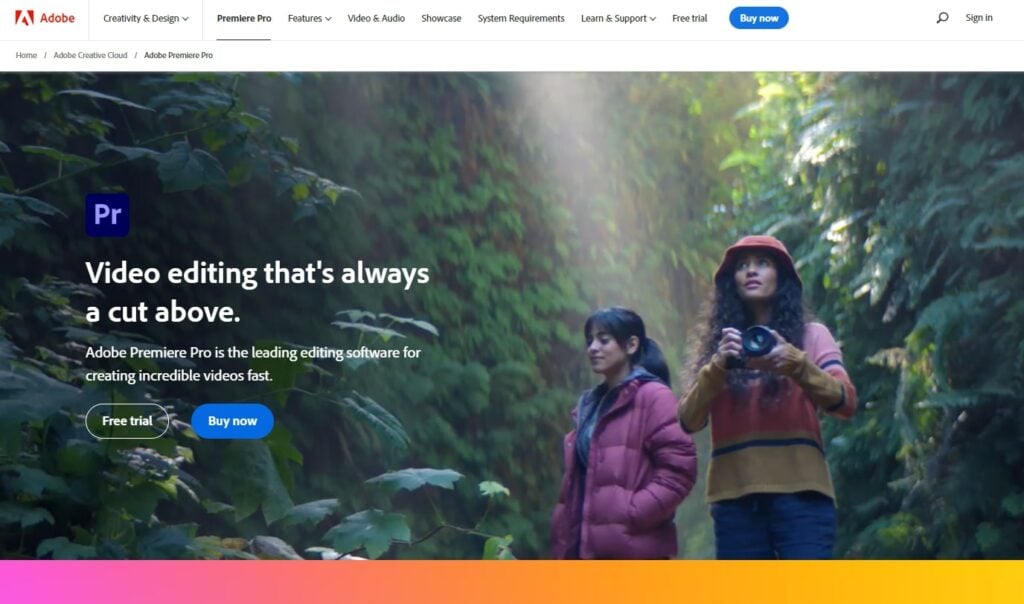
1. Adobe Premiere Pro: The Industry Gold Standard
For healthcare organizations that require uncompromising quality and a full suite of professional-grade tools, Adobe Premiere Pro remains the unrivaled leader. It is the software of choice for institutions producing long-form documentaries, medical research explainers, and high-stakes recruitment videos.
Key Features and Workflow
Premiere Pro utilizes a non-linear editing (NLE) workflow that allows for deep layering of audio and visual elements. Its integration with the Creative Cloud suite—specifically Adobe After Effects—allows for complex medical animations to be embedded seamlessly into live-action footage.
- Pros: Industry-standard interface, unmatched versatility, and a vast ecosystem of third-party plugins.
- Cons: Steep learning curve for beginners; requires a powerful workstation to run efficiently.
- Best For: Large hospital marketing teams with dedicated video production staff.
Official Perspective: Industry experts note that while the cost of entry is higher, the ROI on Premiere Pro comes from the longevity of the content it produces. A video edited in Premiere rarely looks "dated," which is vital for clinical educational materials meant to be used for several years.
2. Animaker: Bridging the Gap with Animation
Not every medical concept can be captured on camera. When discussing cellular processes, surgical anatomy, or preventative health statistics, animation is often the most effective tool. Animaker provides an AI-driven platform that makes medical animation accessible to non-animators.
The Power of Visual Simplification
Animaker allows marketers to drag-and-drop assets to create explainer videos that would otherwise cost thousands of dollars to outsource to a professional studio.
- Pros: Intuitive interface; AI voiceover tools that are surprisingly realistic; cloud-based, requiring no high-end hardware.
- Cons: Limited in terms of "cinematic" live-action editing; some assets may feel "template-like" if not customized heavily.
- Best For: Public health campaigns, patient education portals, and clinics looking to explain complex insurance or billing processes.
3. Wondershare Filmora: The Mid-Tier Powerhouse
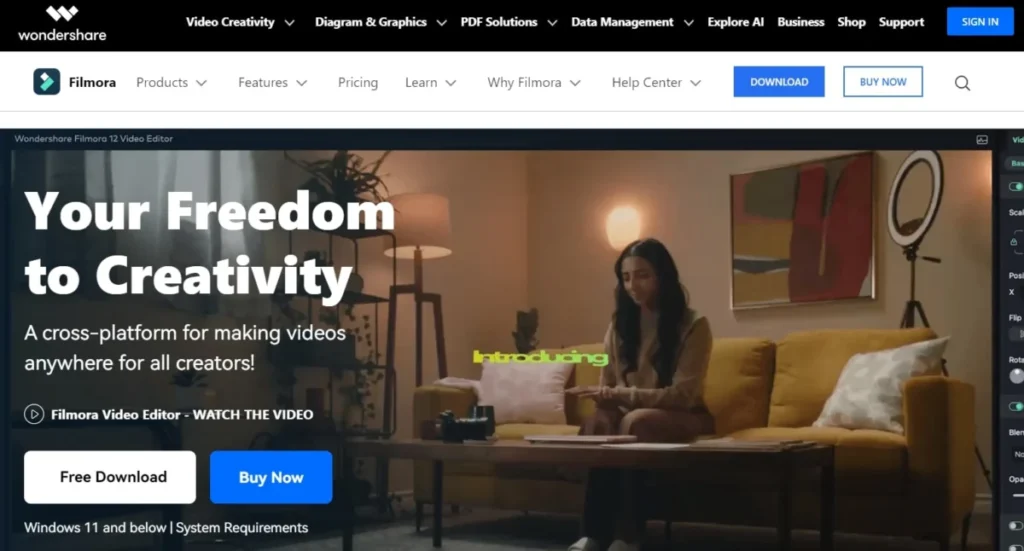
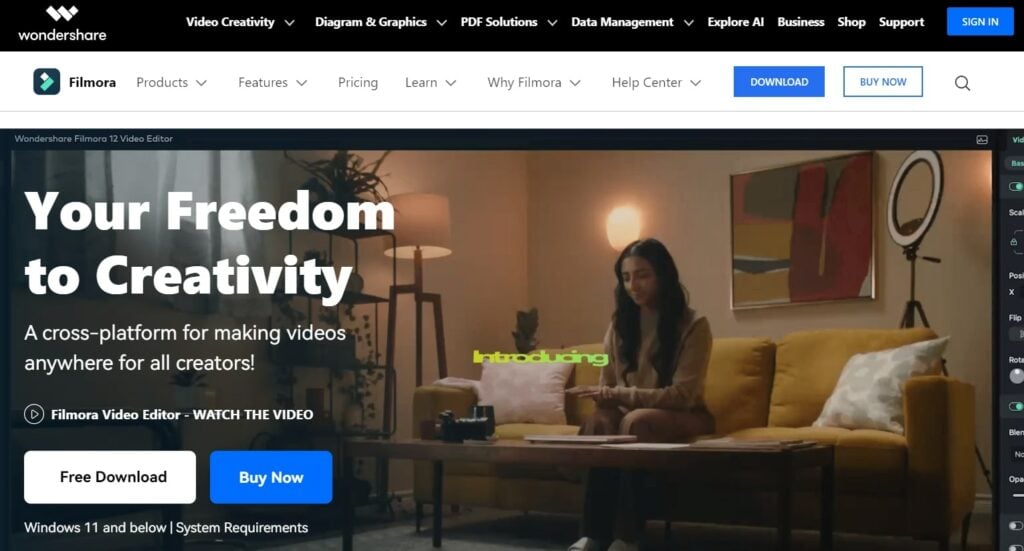
For the mid-sized healthcare provider that lacks a dedicated video editor but still needs to produce content that looks better than a smartphone clip, Filmora is the optimal solution. It balances ease-of-use with professional-level effects.
Streamlining Storytelling
Filmora excels at creating content for social media platforms like YouTube and Instagram. Its "Instant Mode" and drag-and-drop transitions allow marketing teams to turn raw interview footage from a clinic tour into a polished, branded video in a matter of hours.
- Pros: Very short learning curve; high-quality stock effects and transitions; affordable annual pricing.
- Cons: Can occasionally be resource-heavy on older computers; lacks the deep color-grading precision of high-end software.
- Best For: Independent practitioners and mid-sized clinics managing their own social media marketing.
4. iMovie: Efficiency for the Apple Ecosystem
Often overlooked due to its simplicity, iMovie remains a staple for Mac-using healthcare marketers who need to turn around quick, clean, and professional videos.

Quick Edits in High-Stakes Environments
In a fast-paced hospital environment, speed is often more important than artistic flair. iMovie allows a communications officer to edit a quick update from the CEO or a brief patient success story and export it for immediate release.
- Pros: Free, stable, and requires zero installation for most Mac users.
- Cons: Lacks advanced features like multi-cam editing or professional-grade audio mixing; limited to Apple hardware.
- Best For: Quick, internal communications or simple, direct-to-camera updates.
5. DaVinci Resolve: The Cinematic Edge
For organizations aiming to create "cinematic" medical documentaries or high-production-value facility tours, DaVinci Resolve is the tool of choice. Originally a professional color-grading suite, it has evolved into a comprehensive editor that rivals Adobe.
Advanced Color Correction
In medical video, color is everything—from the accurate representation of surgical sites to the warmth of a hospital’s lighting. DaVinci Resolve’s color-grading suite is the best in the industry, ensuring that skin tones and medical visuals are both accurate and aesthetically pleasing.
- Pros: The free version is incredibly powerful; best-in-class color grading and audio post-production (Fairlight).
- Cons: Very high hardware requirements; the interface can be intimidating for those without editing experience.
- Best For: Institutions producing high-end marketing campaigns or patient-focused documentaries.
Implications: Building a Sustainable Video Strategy
As we look toward the remainder of 2025, the implications of these tools are clear: the barrier to entry for high-quality medical communication has been lowered significantly. However, the software is only as good as the strategy behind it.
The HIPAA Compliance Factor
Regardless of the software chosen, healthcare marketers must prioritize data security. When editing patient testimonials:
- Obtain Written Consent: Always have documented, HIPAA-compliant release forms before filming.
- Metadata Scrubbing: Ensure that the editing process does not inadvertently leave patient records or PII (Personally Identifiable Information) in the background of shots or within the file metadata.
- Local Storage vs. Cloud: For highly sensitive content, consider editing on local, encrypted drives rather than cloud-based editors, even if the software offers cloud functionality.
The Path Forward
The choice of video editor should align with your organization’s scale. A solo practitioner might find everything they need in the free, simple interface of iMovie. A regional hospital system with a multi-person marketing team, however, should invest in the power of Adobe Premiere Pro or DaVinci Resolve to maintain brand consistency across various departments.
Ultimately, the goal of these tools is to remove the friction between the medical expert and the patient. In an era where information is abundant but trust is scarce, clear, professional, and empathetic video content serves as the most effective instrument in the healthcare marketer’s toolkit. Whether you are explaining a new surgical technique or sharing a heartwarming recovery story, the right software ensures that your message is not just heard, but understood and remembered.