State Bank of India Assures Continuity: Banking Services to Remain Operational Amid Impending Nationwide Strike
By IANS
Mumbai, September 25, 2026: In a significant development aimed at alleviating public anxiety regarding potential financial disruptions, the State Bank of India (SBI)—the nation’s largest public sector lender—has officially confirmed that its banking operations will remain functional despite a looming three-day nationwide bank strike.
As the banking industry prepares for widespread industrial action scheduled for late September, the SBI has taken proactive measures to reassure its vast customer base. Through a series of communications issued on the social media platform X (formerly Twitter), the bank emphasized that it is committed to maintaining service continuity, ensuring that the essential financial needs of citizens are met without interruption.
The Context: A Looming Industrial Action
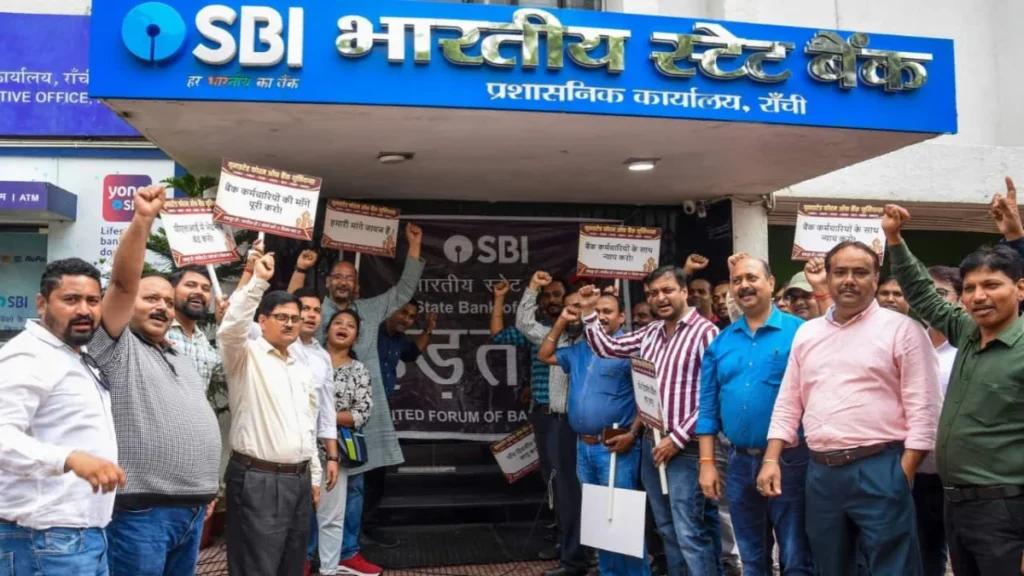
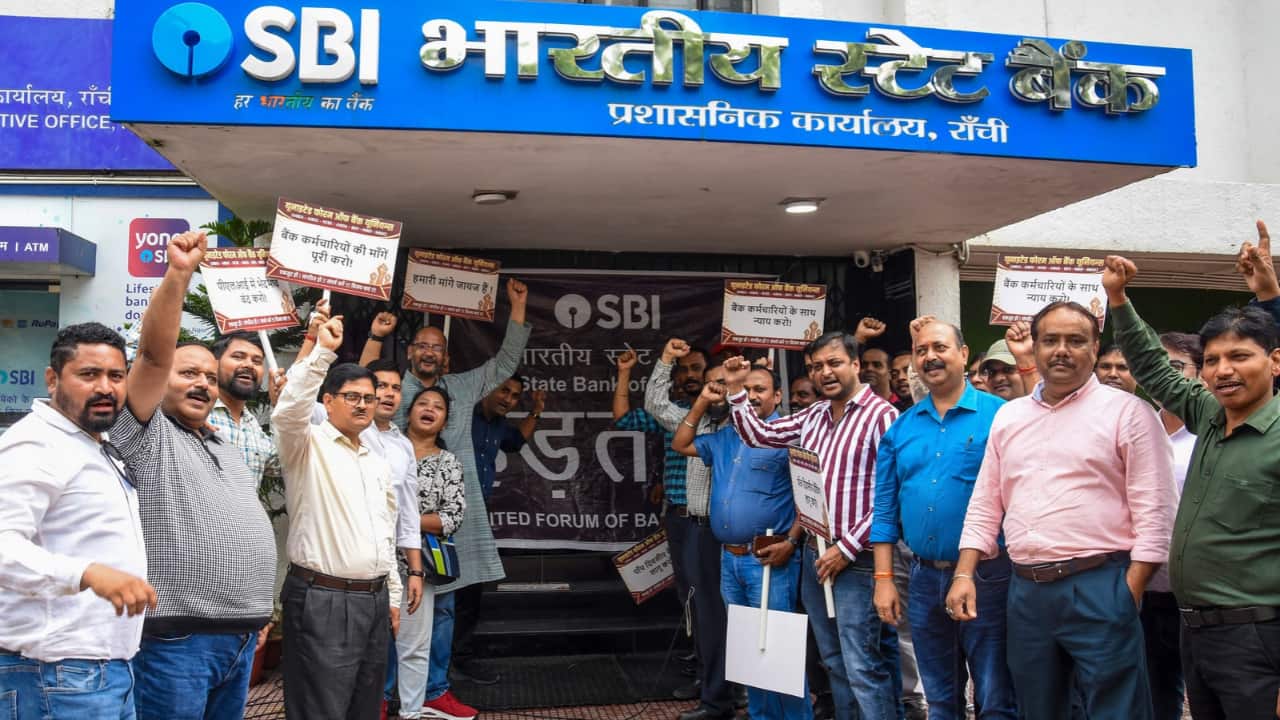
The banking sector in India is currently bracing for a coordinated three-day strike called by various bank employee unions. The protest, which is expected to commence on September 28, 2026, revolves around long-standing demands concerning wage revisions, pension updates, and the implementation of a five-day work week.
While the strike is expected to see significant participation from employees across various public and private sector banks, the SBI has positioned itself to mitigate the impact. By leveraging its extensive digital infrastructure and ensuring adequate staffing in critical departments, the bank aims to maintain a "business as usual" approach for its retail and corporate clients.
Chronology of Events and Announcements
The timeline leading up to this decision reflects a period of heightened negotiation between bank unions and the Indian Banks’ Association (IBA).
- Mid-September 2026: Bank unions formally issued notices for a three-day strike, citing a lack of progress in bipartite talks regarding the 12th Bipartite Settlement.
- September 20-22, 2026: Conciliation meetings held at the office of the Chief Labour Commissioner failed to yield a consensus, effectively greenlighting the protest action.
- September 24, 2026: Media reports began circulating about the potential for massive service disruptions, leading to a surge in customer inquiries across digital channels.
- September 25, 2026: The State Bank of India issued a formal statement on X, explicitly stating that its services, including digital platforms and essential branch operations, would remain active during the strike period. The bank also announced a strategic move to waive ATM transaction fees from September 28 to September 30, 2026, to facilitate easy access to cash for customers who might face difficulties at other bank branches.
Supporting Data and Operational Resilience
The SBI’s confidence in weathering the strike stems from its heavy investment in digital transformation over the past decade. With over 500 million customers, the bank has transitioned significantly toward a "phygital" model—a blend of physical branches and digital interfaces.
According to recent internal data, the YONO (You Only Need One) app and the SBI Net Banking portal handle over 70% of the bank’s daily transactions. During previous strikes, these digital channels have served as the primary buffer, allowing customers to transfer funds, pay bills, and manage accounts without needing to visit a physical branch.
Furthermore, the bank’s ATM network remains one of the largest in the world. By waiving transaction fees for the duration of the strike, the bank is incentivizing customers to use automated kiosks, thereby reducing the footfall pressure on branches that may be operating with skeleton staff.
Official Responses and Union Perspectives
The stance of the bank unions remains firm. Leaders of the United Forum of Bank Unions (UFBU) argue that the strike is a necessary tool to draw attention to the eroding real wages of bank employees in the face of persistent inflation.
"Our demand is not just about salary; it is about the dignity of labor and the long-overdue modernization of our working conditions," a union representative stated. They maintain that while they regret the inconvenience to the public, the responsibility for the disruption lies with the management and the government for failing to meet the unions halfway.
Conversely, the SBI management has adopted a conciliatory yet firm tone. In its public communications, the bank stated, "We respect the rights of our employees, but our primary duty is to the millions of customers who rely on our services for their daily livelihoods. We are taking all necessary precautions to ensure that your financial journey remains seamless."
The Impact on the Indian Financial Ecosystem
The implications of a three-day strike are far-reaching. Banks act as the arteries of the economy; a prolonged stoppage can affect everything from government pension disbursements to private sector payrolls.
1. Impact on Retail Customers
For the average citizen, the primary concern is cash flow. The SBI’s decision to waive ATM fees is a strategic move to prevent panic withdrawals and long queues. However, clearing services, such as cheque processing and demand draft issuance, are expected to face delays. Customers are advised to utilize NEFT, RTGS, and IMPS services, which are automated and largely unaffected by branch-level strikes.
2. Impact on Corporate and MSME Sectors
Small and Medium Enterprises (MSMEs) are the most vulnerable to banking disruptions. Payments, letters of credit, and trade financing often require manual intervention from bank officials. The SBI has reportedly instructed its specialized MSME branches to maintain a minimum essential workforce to ensure that critical trade documents are processed, preventing supply chain bottlenecks.
3. The Digital Shift
This strike serves as a stress test for the Indian banking sector’s digitalization. If the SBI can successfully navigate these three days with minimal disruption to its digital services, it will likely serve as a blueprint for other public sector banks (PSBs) to accelerate their own digital adoption, potentially leading to a permanent reduction in the dependency on physical branch operations for routine tasks.
Implications for Future Negotiations
The current standoff highlights a growing rift between the traditional banking workforce and the rapidly digitizing banking environment. As more services move online, the role of the traditional bank clerk is changing. This strike is as much about the future of the banking profession as it is about current wage disputes.
Financial analysts suggest that if the strike is successful in disrupting operations, the government may be forced to expedite the negotiation process. However, if the SBI and other major banks successfully manage to keep operations afloat, the unions may lose leverage in future rounds of talks.
Conclusion: A Call for Preparedness
As the strike dates approach, the message from the State Bank of India is clear: prepare for the inconvenience, but do not panic. By prioritizing digital transactions and providing temporary relief on ATM fees, the bank is attempting to insulate the economy from the volatility of industrial unrest.
Customers are encouraged to:
- Complete high-value transactions before September 28.
- Update their mobile banking apps and verify their login credentials.
- Utilize SBI’s digital portals for all non-cash-based services.
- Monitor official SBI social media channels for real-time updates regarding branch operations in specific regions.
While the banking sector prepares for the storm, the resilience shown by India’s largest lender suggests that while the strike may cause a ripple in the financial pool, it is unlikely to lead to a systemic disruption. The coming days will be a testament to the strength of India’s digital banking infrastructure and the ongoing tug-of-war between labor rights and operational continuity in an era of rapid technological advancement.