Strengthening India’s Agrarian Backbone: Union Government Releases ₹1,200 Crore Under PM Rashtriya Krishi Vikas Yojana
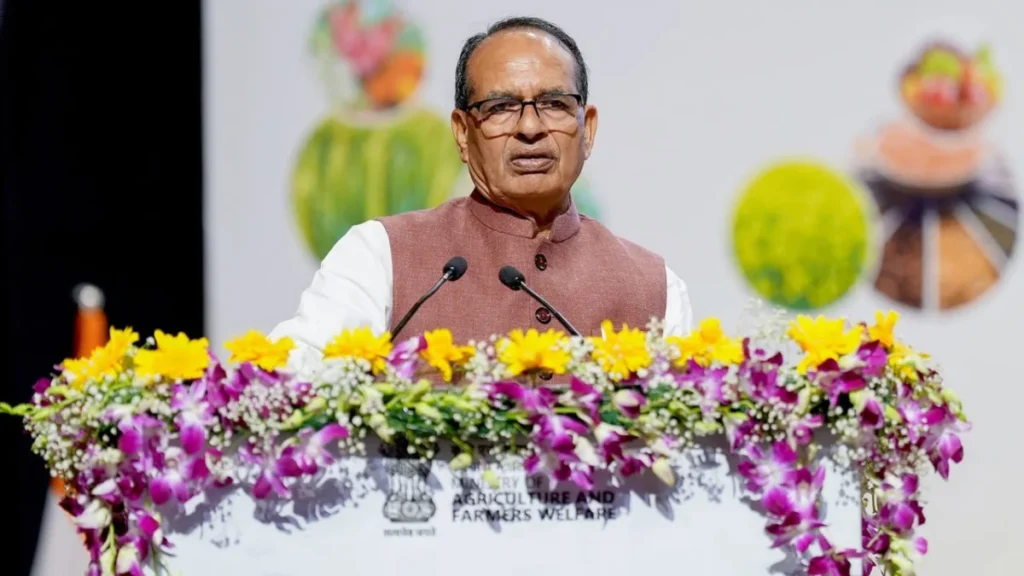
New Delhi, September 29, 2026 – In a significant move aimed at bolstering the agricultural infrastructure across India, the Union Government has officially released sanction letters worth ₹1,200 crore to ten states under the PM Rashtriya Krishi Vikas Yojana (PMRKVY). The announcement was made during a high-level meeting chaired by Union Agriculture Minister Shivraj Singh Chouhan, attended by state agriculture ministers and senior officials from across the country.
The initiative underscores the central government’s evolving approach to agricultural development—shifting from a purely policy-centric framework to a proactive model of resource mobilization and fiscal support.
The Core Mandate: Beyond Policy Formulation
During the session, Minister Chouhan emphasized that the Union Government is shedding the traditional image of a mere "policy drafting body." Instead, it is increasingly focusing on the ground-level implementation of schemes, ensuring that states possess the requisite financial liquidity and logistical support to execute agricultural projects without delays.
"The Union Government is not only limiting itself to policy formulation but is also ensuring the timely availability of resources to the states," Chouhan stated. He further noted that the agricultural sector serves as the backbone of the Indian economy, and the federal structure requires a synchronized effort where the Center acts as an enabler, providing the necessary impetus to state-led initiatives.
The sanctioning of these funds is expected to provide a substantial boost to regional agricultural projects, ranging from irrigation improvements to the integration of modern farming technology, which are critical for increasing farmers’ income and enhancing crop yields.
Chronology of the Initiative
The release of these funds follows a series of consultative sessions held throughout the fiscal year 2026. The journey to this allocation can be summarized as follows:
- Q1 2026 (April–June): The Ministry of Agriculture and Farmers Welfare initiated a comprehensive review of the Rashtriya Krishi Vikas Yojana to identify gaps in fund utilization and project implementation across various states.
- July 2026: State governments were invited to submit their annual action plans, with a specific focus on climate-resilient farming and post-harvest infrastructure.
- August 2026: A series of technical evaluation meetings were conducted to assess the viability of state proposals. The Ministry prioritized states that demonstrated a high potential for agricultural growth and digital integration.
- September 2026: The final appraisal committee approved the allocation of ₹1,200 crore, culminating in the formal handover of sanction letters to the representatives of the ten beneficiary states today.
Supporting Data and Financial Framework
The PM Rashtriya Krishi Vikas Yojana has been a cornerstone of India’s agricultural funding strategy for years. By decentralizing the decision-making process, the scheme empowers states to customize their agricultural interventions based on local climatic conditions and crop cycles.
While the specific names of the ten beneficiary states were not exhaustively listed in the preliminary report, the allocation of ₹1,200 crore is earmarked for:
- Infrastructure Development: Strengthening agricultural supply chains and building cold storage facilities to reduce post-harvest losses.
- Technological Adoption: Providing subsidies for precision farming equipment and drone-based monitoring tools.
- Soil Health Initiatives: Funding for soil testing laboratories and the promotion of organic fertilizers to improve long-term land productivity.
- Capacity Building: Training programs for extension workers and farmers to bridge the gap between traditional knowledge and modern scientific practices.
The distribution of these funds is performance-linked, meaning that states with transparent reporting mechanisms and successful utilization rates are prioritized for future tranches of funding.
Official Responses and Strategic Vision
During the meeting, state ministers expressed optimism regarding the direct intervention from the Union Government. Several ministers noted that the timely receipt of these funds would allow them to initiate rabi season preparations well in advance.
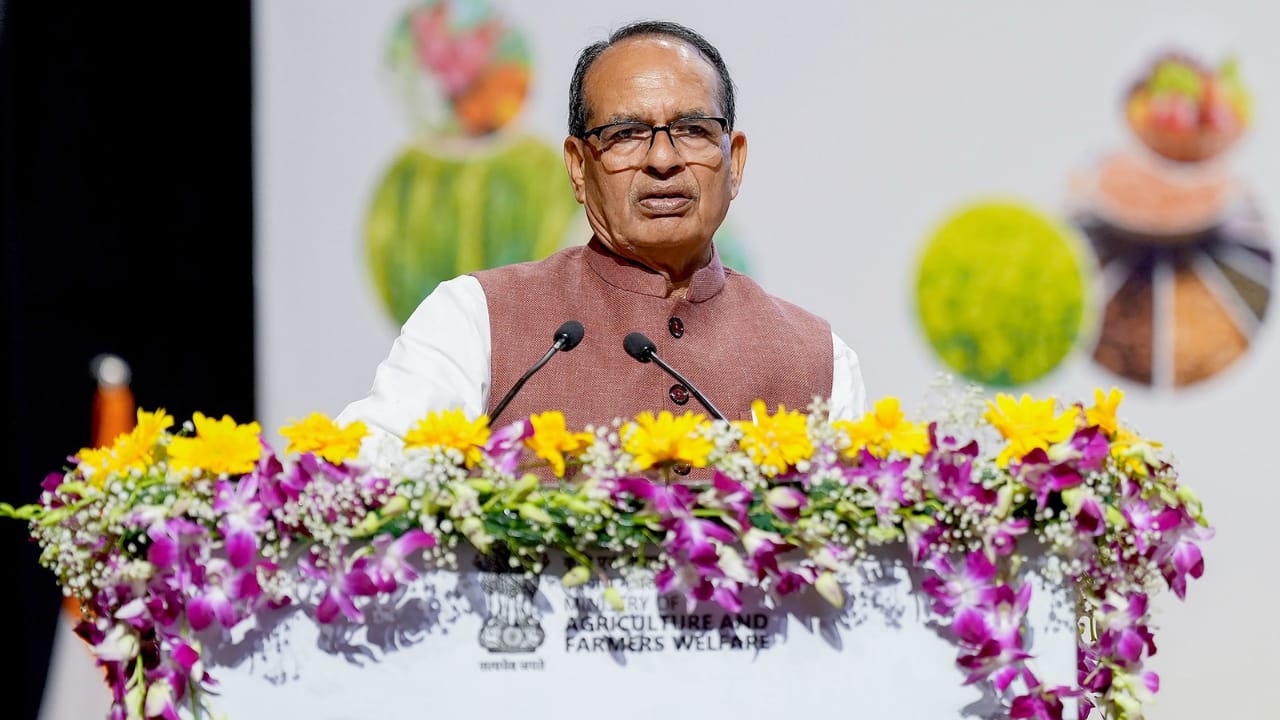
Minister Chouhan, during his address, highlighted that "cooperative federalism" is the bedrock of the current agricultural strategy. He urged state officials to ensure that the funds reach the intended beneficiaries—the small and marginal farmers—with zero leakage. "Our objective is to move from a production-centric agriculture model to a profit-centric one, where the farmer’s welfare is the primary metric of our success," he remarked.
The Ministry also hinted at the implementation of a real-time tracking dashboard for all projects funded under the PMRKVY. This digital intervention is intended to enhance transparency, allowing both state and central officials to monitor the progress of sanctioned projects in real-time.
Socio-Economic Implications
The injection of ₹1,200 crore into the rural economy carries profound implications for India’s food security and economic stability.
1. Reducing the Rural-Urban Divide
By investing in local infrastructure, the government aims to create non-farm employment opportunities within rural areas. When cold storage and processing units are set up closer to farms, they generate local jobs, thereby reducing the pressure of migration to urban centers.
2. Climate Resilience
With the increasing volatility of weather patterns, the funding focuses heavily on sustainable farming practices. Investments in drought-resistant crop varieties and efficient irrigation systems (such as drip and sprinkler systems) are vital to insulating the agricultural sector from the adverse effects of climate change.
3. Digitization of Agriculture
The push for "Agri-Tech" is a significant part of the current policy shift. The funds are expected to support the digitization of land records and the integration of e-market platforms, which facilitate transparent pricing and reduce the role of intermediaries, ensuring farmers get a fairer share of the final consumer price.

4. Strengthening the Export Potential
India is one of the world’s leading producers of several agricultural commodities. By improving the quality and safety standards of produce through better processing facilities, the government intends to enhance India’s competitive edge in the global market, thereby increasing foreign exchange earnings for the country.
Challenges and Future Outlook
Despite the positive momentum, the road ahead is not without challenges. Experts point out that the success of the PMRKVY depends largely on the administrative efficiency of individual state departments. Coordination between the Ministry of Agriculture and the state-level agricultural boards remains the most critical factor.
Furthermore, the government must address the issue of "last-mile connectivity." While central funds are being disbursed, the challenge lies in ensuring that information about these schemes actually reaches the farmers in remote, inaccessible villages. The integration of local Panchayati Raj institutions into the distribution and monitoring mechanism is a strategy the government is exploring to address this gap.
As the 2026-27 agricultural season progresses, the effectiveness of this ₹1,200 crore investment will be measured by the stabilization of commodity prices and the growth in average farm incomes. The Union Government has made it clear that this is merely the first step, with plans to expand the scope of the program to include more states and a broader range of agricultural activities in the coming months.
Conclusion
The event on September 29 marks a pivotal moment in the governance of India’s agricultural sector. By shifting the focus from top-down policy dictates to a collaborative, resource-heavy approach, the Union Government is signaling a serious commitment to the welfare of the farming community. As states begin to deploy these funds, the focus will now shift to the implementation phase, where the ultimate test will be the tangible improvement in the lives of millions of Indian farmers who drive the nation’s growth.
Reported by the Indo-Asian News Service (IANS) | Edited for clarity and depth.