The Digital Marketing Shift: Reviving Legacy Content, Mastering Series Strategy, and Major Platform Updates
As the digital marketing landscape undergoes rapid transformation, professionals are being forced to pivot away from transient, one-off viral tactics and embrace long-term authority-building frameworks. From leveraging artificial intelligence to unearth dormant archives on LinkedIn, to applying Hollywood-grade storytelling structures to short-form video series, the rules of audience engagement are evolving.
Simultaneously, major social platforms are rolling out critical infrastructure updates—ranging from Amazon’s integration into YouTube Shopping to native lead-generation tools on X and automated DM triggers on Meta. This report provides a comprehensive analysis of the core insights, strategic shifts, and platform developments shaping the digital marketing ecosystem.
Main Facts: Key Strategic Takeaways for Marketers
The modern marketer’s toolkit requires a dual focus: optimizing existing assets through technical enhancements and adapting to platform-wide algorithm changes that favor serialized, community-driven content.
- LinkedIn Newsletter Optimization: Archival newsletters published years ago can be transformed into robust discovery engines. By simply updating SEO fields and re-inserting booking links, creators can harvest thousands of passive views and drive conversions without investing in new promotional campaigns.
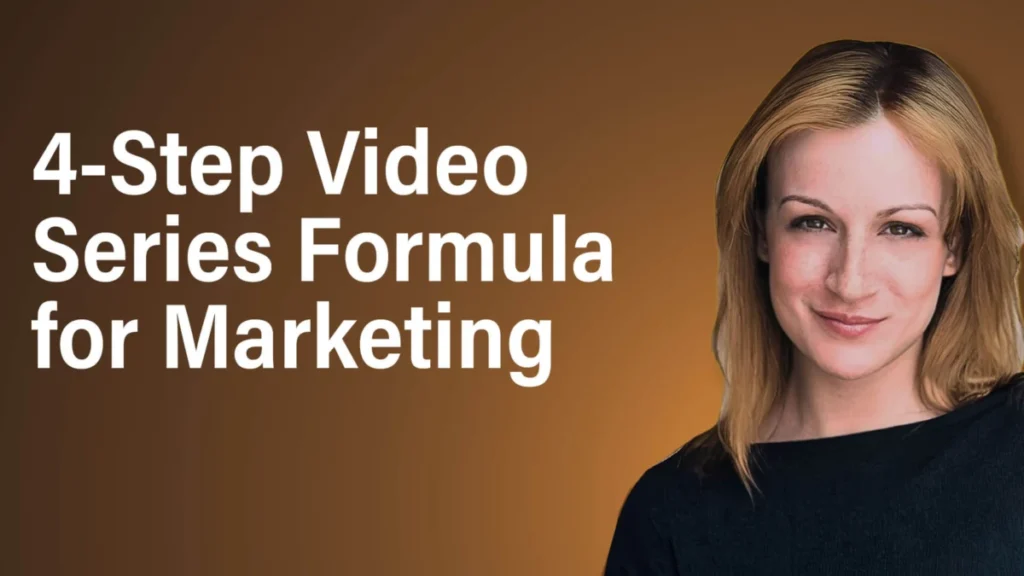
- The Death of the Viral Hit: In short-form video, chasing one-off viral moments is officially taking a backseat to serialized content. Creators leveraging character archetypes and multi-part narrative arcs are seeing higher long-term buyer trust and repeat viewership.
- E-Commerce and Social Commerce Convergence: Amazon has officially entered the YouTube Shopping Affiliate Program, allowing eligible U.S. creators to seamlessly tag products in videos, Shorts, and livestreams while tracking commissions through AdSense.
- AI Integration Across Platforms: Platforms are lowering the barrier to entry for advanced workflows. X now allows advertisers to connect campaign data to third-party AI agents via an Ads MCP server, enabling natural-language campaign analysis through tools like Grok and Claude Code.
Chronology: Recent Platform Rollouts and Feature Launches
The past several weeks have marked a flurry of deployment activity across major social media networks, designed to tighten the feedback loop between creators, advertisers, and consumers:

- August 24: YouTube updates its foundational metrics, standardizing view counts to measure public views from the exact moment a video begins playing across all formats, including long-form, podcasts, and livestreams.
- Late August: Meta begins testing an automated "Reply to Keywords" feature for Instagram Ads, allowing brands to trigger instant Direct Messages when users comment specific trigger phrases.
- Late August: X globally launches native Lead Gen Ads, enabling advertisers to capture customer data via pre-filled forms without redirecting users to external landing pages.
- Early September: Instagram rolls out "First Draft" globally, an auto-editing tool that stitches together a collection of raw video clips into an initial Reel draft in under 10 seconds.
- Early September: TikTok scales its "Out of Phone" program across six major European markets, bridging digital creator content with physical digital out-of-home (DOOH) screens.
Supporting Data: The Current State of AI and Content Discovery
Data from industry research underscores the challenges and opportunities facing digital marketers today, particularly regarding artificial intelligence adoption and content longevity.
- 85% vs. 7%: According to recent industry metrics, the vast majority of marketers (85%) are learning how to leverage artificial intelligence entirely through independent experimentation. A mere 7% receive formal, structured training from their employers.
- Financial Burden: More than half of all working marketers are spending their own personal financial resources on AI tools to streamline their daily workflows.
- 15,000+ Additional Views: Demonstrating the power of archival optimization, digital strategist Judi Fox updated the SEO metadata on newsletters that were between two and four years old. This minor technical adjustment yielded over 15,000 incremental views over the subsequent year with zero promotional push.
Official Responses and Platform Updates
Platform representatives and industry leaders have released statements and documentation detailing the mechanics behind these sweeping changes:

YouTube’s View Count Standardization
YouTube confirmed that starting late August, public views will be recorded the moment playback commences for all video types. YouTube representatives emphasized that this change provides a standardized yardstick for brand sponsorships and audience scale comparisons. Crucially, the platform noted that traditional metrics such as Click-Through Rate (CTR), viewer retention, and recommendations remain untouched.
Meta’s Login and Ad Enhancements
Meta introduced an updated Login with Facebook experience for developers, introducing one-tap sign-in on Android and web alongside advanced iOS session-refresh capabilities. Additionally, the early test of keyword-triggered direct messaging on Instagram ads aims to streamline lead generation by automating conversational funnels directly from comment sections.
TikTok’s Out of Phone Expansion
TikTok’s official newsroom highlighted the scaling of the Out of Phone initiative across the United Kingdom, France, Belgium, Spain, Italy, and beyond. By partnering with DOOH networks, TikTok is bringing native social video content into physical retail spaces, transportation hubs, and fitness centers, offering brands an omnichannel reach strategy.
Implications: What This Means for the Future of Digital Marketing
The convergence of AI-driven optimization, serialized video strategies, and seamless social commerce points toward a more mature, highly automated digital marketing era.

1. The Longevity of Evergreen Assets
Marketers must stop treating content as disposable. As demonstrated by LinkedIn newsletter optimization, search engines and AI systems constantly index historical archives. Cleaning up SEO fields, refreshing broken links, and updating call-to-action buttons on legacy content transforms passive digital real estate into active, compounding lead-generation channels.
2. Narrative Depth Over Algorithmic Lottery
The shift toward video series—backed by Hollywood storytelling structures and defined creator archetypes—signals that audiences are growing fatigued by superficial, algorithmic chasing of viral spikes. Brands that establish a consistent narrative quest, build tension across episodes, and anchor themselves in a distinct persona will foster deeper brand loyalty and higher conversion rates.

3. Frictionless Conversion Architecture
Platforms are systematically removing friction from the user journey. Whether it is X’s native lead generation forms, Instagram’s rapid first-draft editing tools, or Amazon’s integration into YouTube shopping, the overarching trend is clear: keep the user inside the native ecosystem for as long as possible while automating the handoff to sales funnels via AI and direct messaging.
As independent experimentation with AI continues to dominate agency and small-business workflows, marketers who leverage structured insights, optimize their archival assets, and embrace serialized storytelling will be best positioned to cut through the digital noise.