WordPress 7.1 "Mary Lou" Released: A Landmark Update Focused on Design Control, Browser-Level Media Processing, and Collaboration
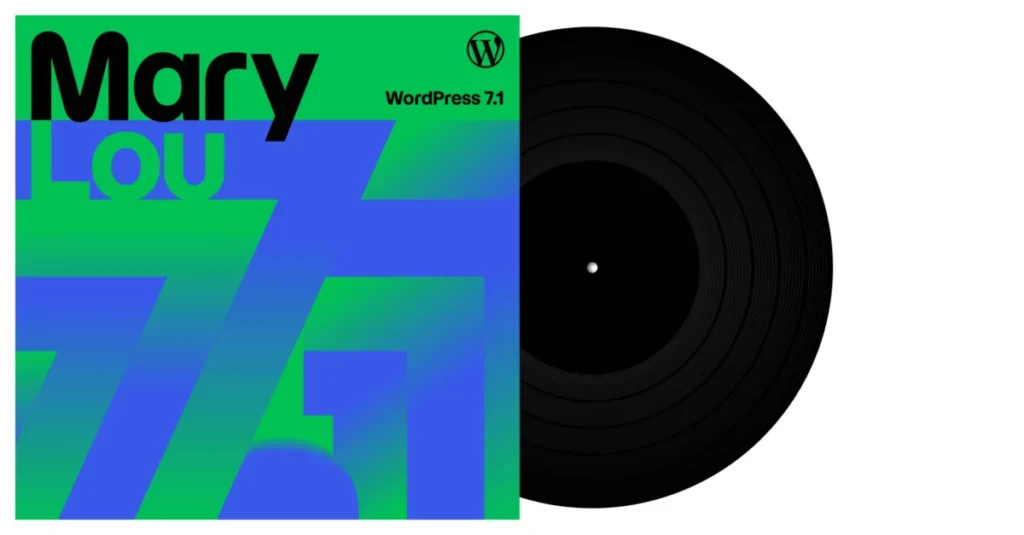
GLOBAL RELEASE — The WordPress open-source project has officially announced the launch of WordPress 7.1, code-named “Mary Lou” in honor of the legendary jazz pianist, arranger, and composer Mary Lou Williams. Released to the public following months of rigorous community testing and development, this major update delivers a sweeping set of features designed to streamline site administration, enhance responsive design control, revolutionize media handling through browser-based processing, and expand collaborative capabilities for content creators and development teams alike.
Built by a global coalition of over 800 contributors—including more than 170 first-time participants—WordPress 7.1 incorporates over 1,500 enhancements, bug fixes, and security updates. This milestone release bridges the gap between sophisticated developer flexibility and intuitive, non-technical publishing workflows.

Main Facts: What’s New in WordPress 7.1
WordPress 7.1 represents one of the most comprehensive mid-cycle evolutions of the CMS platform in recent years. Key feature updates span several major operational pillars:
- Universal Admin Bar: The admin navigation bar now persists seamlessly across every editing environment, providing immediate, uniform access to core dashboard controls whether a user is writing a post or styling a full-site layout.
- Native Responsive Styling: Content creators can now apply device-specific styles directly within Global Styles and individual block settings, removing the historical reliance on custom CSS for responsive fine-tuning.
- Unified Media Editor Modal: Image editing has been centralized into a single, comprehensive workspace supporting freeform and aspect-ratio cropping, precise rotation, horizontal/vertical flipping, and real-time metadata editing.
- Browser-Based Media Processing: Leveraging a WebAssembly build of
libvips, image compression, resizing, and thumbnail generation now run locally in the browser, alleviating server memory limits and upload timeouts. - Advanced Inline Notes: Content collaboration tools have been upgraded to support rich text formatting (bold, italic, code blocks), URL linking, and granular
@mentionstargeted at specific sentences rather than entire blocks. - New Native Blocks & APIs: The update introduces dedicated Playlist (with optional audio waveforms) and Tabs blocks, alongside a newly public SVG Icon API allowing developers to register and deploy custom icon collections platform-wide.
Chronology of Development
The journey toward WordPress 7.1 followed a structured, community-driven release roadmap characteristic of the WordPress core release cycle.

Early Planning and Core Philosophy (Late Spring 2026)
Following the architectural foundations laid in previous cycles, core contributors convened to define the scope of version 7.1. Inspired by the life and career of Mary Lou Williams—a child prodigy who continually reinvented her musical style from swing and bebop to sacred jazz while hosting legendary Harlem jam sessions—the release squad adopted her spirit of reinvention and radical collaboration as the project’s guiding ethos.
Development and Feature Freezes (June – July 2026)
Throughout the early summer months, development squads focused heavily on bridging the visual and functional discrepancies between the Post Editor and the Site Editor. By transitioning the post editor to a fully iframed environment, developers successfully eliminated styling conflicts between the WordPress admin interface and the content canvas. Simultaneously, core committers refined the WebAssembly media handling integration to guarantee cross-browser compatibility for modern formats like AVIF, HEIC, and HDR gain maps.

Beta and Release Candidate Phase (July – August 2026)
Entering its testing phases in July, WordPress 7.1 underwent rigorous evaluation by the global community. More than 20 locales achieved complete day-one translation status, making it one of the most rapidly localized releases in the platform’s history. Following minor bug fixes and accessibility audits, the stable version was officially pushed to production repositories in August 2026.
Supporting Data & Architectural Breakdown
Under the hood, WordPress 7.1 introduces profound updates for site administrators, content managers, and backend engineers.

Design Control and Responsive Breakpoints
Historically, achieving granular responsive typography and layout adjustments required custom media queries written in CSS. WordPress 7.1 embeds these controls natively into the Site Editor. Furthermore, advanced theme authors can now define custom mobile and tablet breakpoints directly within theme.json, overriding default system parameters to suit specific design systems.
The update also brings interactive state styling for buttons. Creators can now style hover, focus, focus-visible, and active states directly within the editor interface, applying changes globally or to individual elements without leaving the visual canvas.

Next-Generation Media Management
Handling large photographic assets has long been a bottleneck for shared web hosting environments prone to strict PHP memory limits and upload timeouts. By shifting heavy lifting to the client-side browser via WebAssembly, WordPress 7.1 processes high-resolution images instantly before they ever touch the server.
Additionally, media handling now natively supports:

- AVIF and HEIC Formats: Direct support for next-generation image file types produced by modern smartphones and digital cameras.
- HDR Gain Maps: Preservation of high dynamic range lighting data in compatible displays.
- Opt-in GIF-to-Video Conversion: Automatic transformation of heavy animated GIFs into lightweight video streams.
- Resilient Uploads: Integrated progress indicators and automatic retry mechanisms for unstable network connections.
The Developer’s Toolkit
For developers building complex ecosystems, WordPress 7.1 expands core application programming interfaces significantly:
- Public SVG Icon API: Developers can now register custom icon libraries using functions like
wp_register_icon_collection()andwp_get_icon(), ensuring brand assets integrate smoothly into block settings. - Abilities API Expansion: Building upon foundations laid in version 6.9, the Abilities API introduces a filterable execution lifecycle, custom validation rules, and shared discovery frameworks designed to streamline AI-powered tooling and third-party integrations.
- Admin Design System: A standardized theming foundation featuring semantic design tokens and a
ThemeProviderReact component allows developers to build custom admin interfaces that feel indistinguishable from core WordPress panels.
Official Responses and Community Impact
Leadership within the WordPress project emphasized that version 7.1 embodies the fundamental mission of open-source software: democratizing publishing through collective effort.

"The mission of WordPress is to democratize publishing and embody the freedoms that come with open source," noted project communications. "A global and diverse community of people collaborating to strengthen the software supports this effort. WordPress 7.1 reflects the tireless efforts and passion of more than 800 contributors from all over the world."
Accessibility advocates within the core team also highlighted crucial improvements designed to ensure the platform remains usable for individuals relying on assistive technologies. The introduction of accessible tooltip and toggletip functions (wp_get_tooltip() and wp_get_toggletip()), combined with enhanced screen-reader navigation across complex data tables and list views, marks a significant step forward in digital inclusion.

Furthermore, translation contributors shattered previous benchmarks. Over 20 language communities completed comprehensive translations prior to launch day, ensuring that millions of users worldwide could deploy the update in their native language immediately.
Implications for Site Owners, Agencies, and Enterprises
The deployment of WordPress 7.1 carries distinct operational implications across the digital publishing landscape:

- For Content Teams: The integration of rich-text inline notes, precise text-level commenting, and
@mentionsfundamentally alters how editorial workflows operate. Teams can now conduct complete reviews and editorial sign-offs natively within the WordPress dashboard, reducing reliance on third-party project management tools. - For Design Agencies: Native responsive styling controls and custom breakpoint definitions drastically reduce development hours. Agencies can deliver highly tailored, device-optimized experiences without writing bespoke CSS or relying on bloated third-party page builders.
- For Hosting Providers and System Administrators: Browser-side image processing and native AVIF/HEIC support dramatically decrease server CPU spikes and storage overhead associated with high-volume media uploads. Additionally, native speculative loading defaults configurable via environment variables allow hosts to optimize page delivery speeds automatically.
Getting Started
Site administrators are encouraged to review the official WordPress 7.1 Release Notes and the WordPress 7.1 Field Guide prior to upgrading. Comprehensive educational resources, including video tutorials and interactive workshops, are freely available via Learn WordPress to help users master the new features.
As the open-source community looks ahead, WordPress 7.1 stands as a testament to the enduring power of collaborative software development—honoring the improvisational genius of Mary Lou Williams by giving millions of creators the tools to continually reinvent their digital spaces.