The Marketplace Revolution: Transforming E-Commerce Through Decentralized Retail Ecosystems
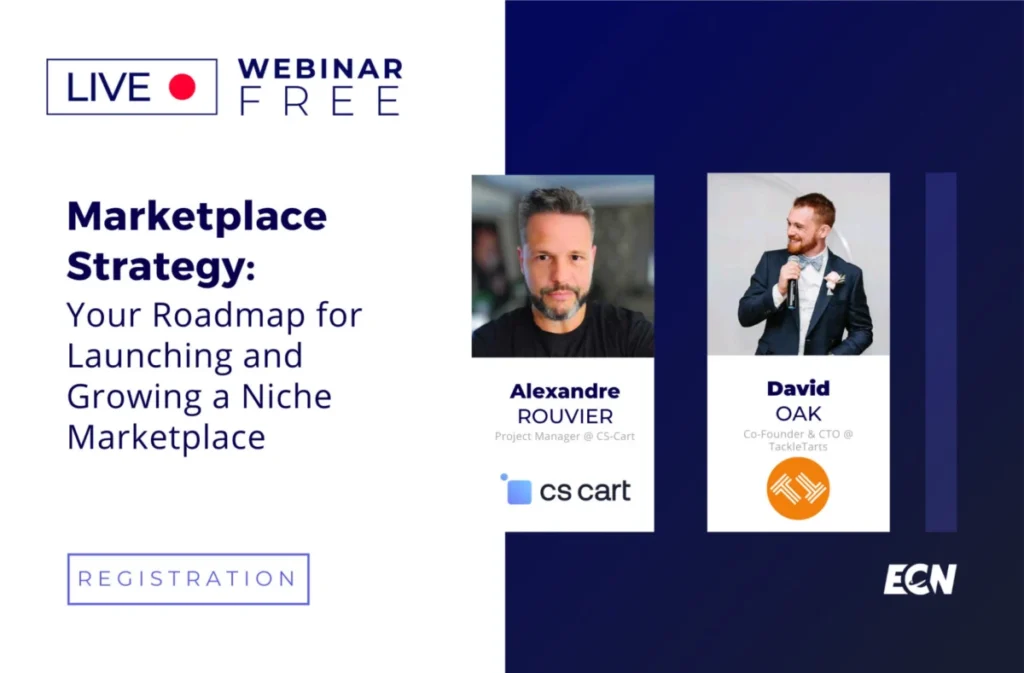
In the rapidly evolving landscape of global digital commerce, the traditional "single-vendor" storefront is increasingly finding itself at a crossroads. As consumer expectations for product variety, competitive pricing, and seamless shopping experiences reach an all-time high, retailers are searching for scalable growth strategies. The answer, according to industry experts and recent insights from CS-Cart, lies in a fundamental shift: moving from being a mere retailer to becoming a marketplace orchestrator.
Developing a proprietary marketplace is no longer a luxury reserved for tech giants like Amazon or Alibaba; it is a strategic imperative for mid-market retailers looking to capture market share and diversify their revenue streams. This report explores the mechanics of building a successful marketplace, the strategic implications of platform business models, and the collaborative roadmaps necessary to thrive in today’s hyper-competitive digital economy.
The Main Facts: Why Marketplaces Are the Future of Retail
The core value proposition of a marketplace is simple yet profound: it allows a retailer to transform their brand into a platform. By inviting third-party merchants to sell their wares alongside or instead of internal inventory, a business can rapidly expand its product catalog without the crushing overhead of warehousing, logistics, and inventory procurement.
This transition from a "first-party" retailer to a "third-party" marketplace operator creates a virtuous cycle. For the operator, the commission-based model provides a sustainable, high-margin revenue stream. For the consumer, the platform becomes a "one-stop shop" where they can compare prices, discover niche brands, and enjoy a consolidated checkout experience.
However, the barrier to entry for building such an ecosystem is not merely logistical—it is technological. Managing complex vendor relationships, split payments, automated commission tracking, and synchronized product catalogs requires a robust technological backbone. CS-Cart, a leading solution in this space, has positioned itself as the architect for businesses looking to pivot toward this model, emphasizing that the "marketplace-first" mentality is the most effective way to scale in the modern era.
Chronology: The Evolution of the Marketplace Model
To understand where we are, we must look at the trajectory of e-commerce development:
- 1995–2005 (The Era of the Monobrand): The dawn of e-commerce was defined by businesses taking their physical catalogs online. Companies focused on logistics and digital storefronts to sell their own inventory.
- 2006–2015 (The Rise of the Titans): Amazon and eBay revolutionized the model by proving that third-party sellers were the key to infinite shelf space. Retailers began to realize that owning the customer experience was more valuable than owning every piece of inventory.
- 2016–2022 (The Niche Explosion): The market saw a fragmentation of the "Amazon model." Vertical-specific marketplaces began to emerge—platforms dedicated to artisanal goods, B2B industrial supplies, or luxury fashion.
- 2023–Present (The Democratization of Technology): With the availability of sophisticated, modular software solutions like CS-Cart, the ability to launch a high-performance marketplace has moved from the realm of multi-million dollar software engineering teams to accessible, configurable platforms for any ambitious merchant.
Supporting Data: The Case for Transformation
Data consistently indicates that marketplaces are outperforming traditional e-commerce models. According to recent market analysis, marketplace sales now account for over 60% of total online retail spending globally.
Key Performance Indicators (KPIs) for Marketplace Success:
- Catalog Expansion Rate: Retailers who transition to a marketplace model typically see a 300% to 500% increase in SKU counts within the first 12 months.
- Customer Lifetime Value (CLV): By offering a wider variety of products, the frequency of site visits increases, leading to a direct uplift in CLV as customers no longer need to "shop around" on competing sites.
- Inventory Turnover Efficiency: By shifting to a third-party model, retailers can offload the risk of "dead stock." If an item doesn’t sell, it remains the merchant’s inventory, not the platform’s.
- Operational Agility: The ability to onboard new sellers in a matter of hours, rather than months of supply chain negotiation, allows platforms to pivot quickly to changing consumer trends (e.g., the sudden surge in demand for home-office equipment during the pandemic).
Official Perspectives: Expert Insights on Implementation
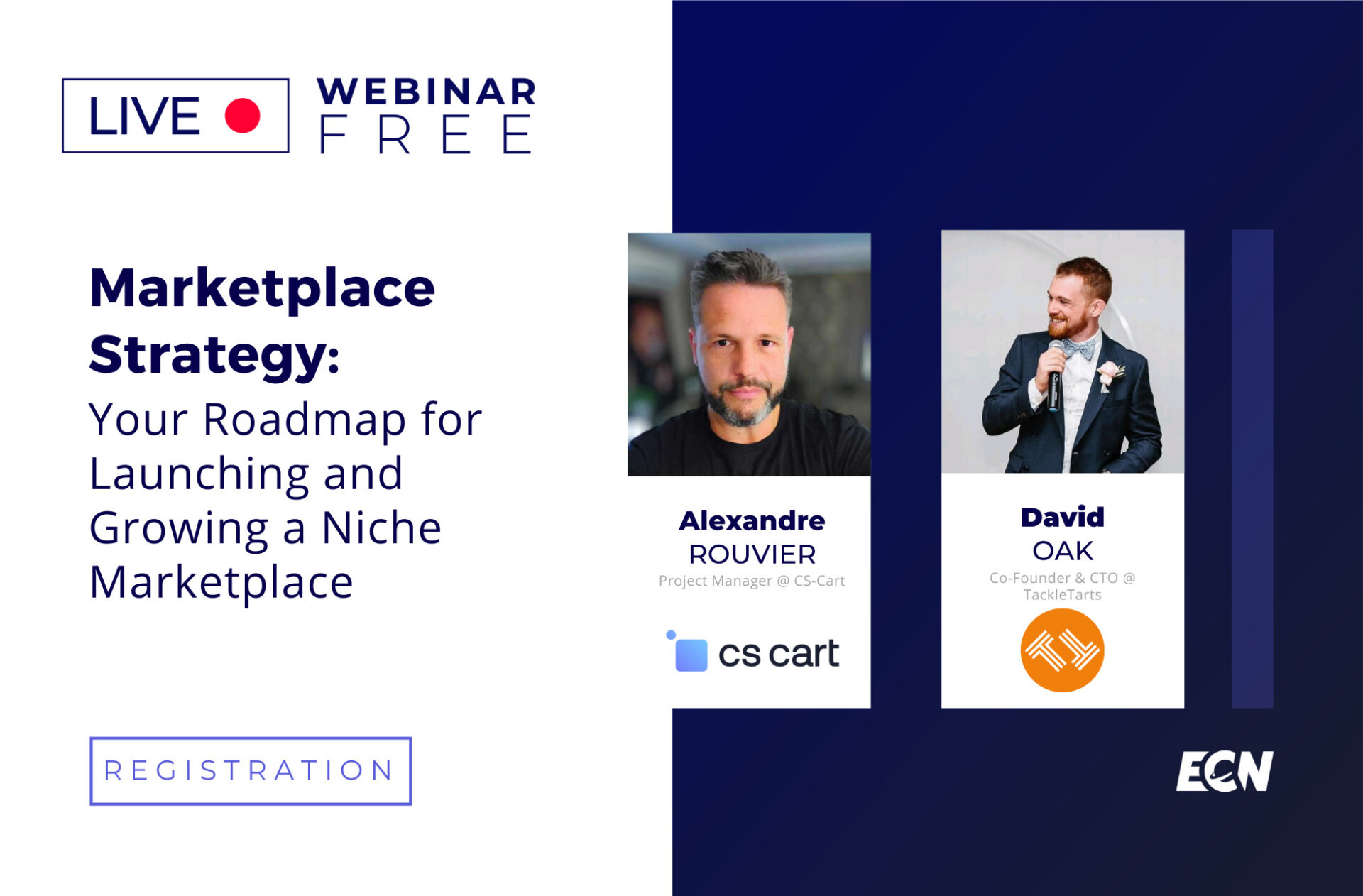
In a recent collaborative case study featuring CS-Cart and TackleTarts, industry experts deconstructed the actual process of launching a marketplace. The consensus is that technology is only half the battle; the other half is vendor relationship management.
Technical Architecture
Retailers must prioritize systems that offer:
- Automated Vendor Onboarding: A seamless portal where vendors can upload their catalogs, set their shipping rules, and manage their returns.
- Multi-Vendor Payment Processing: The ability to handle complex split-payment structures where a single consumer order may contain products from five different vendors, with commissions automatically routed to the platform operator.
- Real-Time Data Sync: Ensuring that stock levels are updated across the board to prevent overselling and maintain customer trust.
The Collaborative Strategy
The case study highlighted that successful marketplaces are "collaborative ecosystems." Retailers should look for merchants that complement their current brand identity rather than those that simply compete with them. For example, a sports equipment retailer should invite vendors who sell complementary accessories (e.g., apparel, health supplements, or specialized training gear) to create a holistic shopping experience.
Implications: The Strategic Future of Retail
What does this mean for the average business owner? The implications are significant and multifaceted.
1. The Death of the "Stock-Heavy" Model
Traditional retailers who rely solely on warehousing and shipping their own products are facing increasing pressure. As marketplaces lower prices through increased competition and improve convenience through variety, "monobrand" stores risk being seen as outdated or limited.
2. The Rise of the Platform Economy
Retailers are effectively becoming tech companies. By managing a platform, businesses gain access to unprecedented levels of data. They can analyze what product categories are trending, which merchants are the most reliable, and what price points generate the most conversions—all without spending a dime on inventory.
3. The Need for High-Quality Curation
The challenge for future marketplaces will be "curation." As the internet becomes flooded with products, the most successful platforms will be those that act as gatekeepers of quality. Consumers will continue to flock to marketplaces that have a reputation for authentic, high-quality vendors, effectively making the platform operator a "trusted advisor" rather than just a digital warehouse.
4. Technological Sovereignty
As businesses grow, they must avoid "platform lock-in." The shift toward flexible, open-source or highly customizable marketplace software (like the solutions discussed in the CS-Cart webinar) allows businesses to maintain ownership of their customer data and brand identity, rather than becoming dependent on the rules of a larger aggregator.
Conclusion: How to Start Your Journey
For retailers standing at the edge of this transformation, the first step is education. Understanding the technical requirements—and the cultural shift required to manage a network of vendors—is essential.
As highlighted in the presentation by the E-Commerce Nation team and their partners, the path forward involves:
- Defining your niche: Don’t try to be Amazon. Build a marketplace that serves a specific community or solves a specific consumer problem.
- Selecting the right infrastructure: Evaluate software that offers scalability, robust security, and deep integration capabilities.
- Building the vendor network: Start with a pilot group of trusted suppliers, refine your onboarding process, and then scale as your platform proves its value.
The transition to a marketplace model is not merely a technical upgrade; it is a fundamental shift in business philosophy. It requires moving from a "control-everything" mindset to a "facilitate-everything" mindset. While the challenge is substantial, the reward—a more resilient, scalable, and profitable retail business—is one that few companies can afford to ignore in the current digital age.
Whether you are a local retailer with an eye on national expansion or an established e-commerce brand looking to diversify your revenue, the technology to build your own marketplace is now within reach. The question is no longer "if" you should build one, but "how" quickly you can implement a strategy that transforms your brand into the destination of choice for your customers.