LG Electronics Moves to Purge Residential Proxy SDKs from Smart TV Ecosystem
In a significant pivot for consumer privacy and IoT security, home appliance giant LG Electronics USA has announced a crackdown on applications within its webOS platform that transform smart televisions into "residential proxy nodes." This decision follows a cascade of alarming revelations from cybersecurity researchers, who discovered that a startling percentage of apps available on smart TV marketplaces are effectively turning unsuspecting living rooms into conduits for global internet traffic.
The initiative, announced this week, marks the first major regulatory response by a hardware manufacturer to the burgeoning "proxy-as-a-service" industry, which has increasingly sought to monetize consumer bandwidth by hijacking idle household devices.
The Anatomy of the Proxy Problem
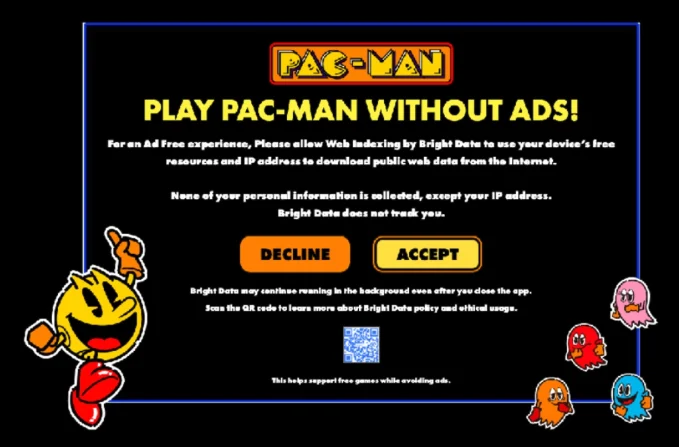
At the heart of this controversy are Residential Proxy Software Development Kits (SDKs). These are pieces of code that app developers integrate into their software—ranging from casual puzzle games and screensavers to utility apps—in exchange for a fee. Once installed, these SDKs allow the app’s owner to rent out the user’s home IP address to third parties.
For the end-user, the TV remains functional, but its internet connection is being silently utilized to route traffic for external actors. While proxy providers often argue that this activity is legitimate, researchers point out that the average consumer is ill-equipped to understand that their television has become a node in a global, anonymous network.
The Findings of Spur
The impetus for LG’s policy shift stems from research published earlier this month by the security firm Spur. Their investigation revealed that over 42 percent of the applications available on LG’s webOS store were laden with these proxy SDKs. The situation is not unique to LG; the same research found that more than 25 percent of applications on Samsung’s Tizen operating system contained similar components, suggesting a systemic issue across the smart TV industry.
These findings underscore a dangerous trend: the commodification of residential bandwidth. When an app is downloaded, the user is often presented with a complex "terms of service" agreement that buries the consent to act as a proxy node. Many users, particularly minors or less tech-savvy individuals, accept these terms without realizing that their home network is now being exposed to the open internet.
Chronology: From Discovery to Policy Change
- Early July 2026: Researchers at Spur publish an exhaustive study detailing the prevalence of residential proxy SDKs in consumer electronics, highlighting the scale of the "always-on" proxy phenomenon.
- July 2, 2026: KrebsOnSecurity reports on the broader implications of proxy networks, specifically linking the rise of these services to the infrastructure utilized by botnets and illicit data-scraping operations.
- Mid-July 2026: Public scrutiny intensifies as consumer advocacy groups question the security implications of having third-party traffic routed through home routers.
- Late July 2026: LG Electronics Senior Vice President John Taylor issues a formal statement confirming that the company is actively purging these apps from the webOS platform.
- July 22, 2026: Major proxy provider Bright Data issues a formal defense of their business model, claiming their operations are fully audited and consent-based.
The Corporate Stance: Official Responses
LG Electronics’ New Directive
LG’s response has been swift and definitive. In an email to stakeholders, John Taylor, Senior Vice President at LG Electronics, clarified that the utilization of smart TVs as proxy nodes is a violation of the intended user experience.
"A residential proxy network is not an intended use for LG smart TVs," Taylor stated. "LG Electronics is working with developers to remove the residential proxy option from their apps on the webOS platform. If this option is not removed, these apps will be suspended."
Taylor confirmed that the company has initiated an internal audit of all apps currently hosted on the webOS store. Furthermore, he noted that LG is revamping its developer submission guidelines to prevent the future integration of residential proxy SDKs, marking a shift toward more stringent "platform quality" enforcement.
The Defense from Bright Data
Bright Data, one of the primary players in the residential proxy market identified by Spur, pushed back against the characterization of their services as predatory. In a statement provided to the press, the company emphasized that their network operates on a model of "consent and responsibility."

"Every peer opts in through a dedicated screen and receives value in return," the company stated. They pointed to a second independent audit by PwC as evidence of their commitment to ethical standards. Bright Data argues that they provide a necessary service for researchers, businesses, and institutions that require public data access, maintaining that they enforce strict "know-your-customer" (KYC) protocols to prevent misuse of their network.
Implications: The Security of the Household
The core of the issue, according to cybersecurity experts, is not necessarily that proxy networks exist, but where they are being deployed.
The Myth of Consent
Trevor Sutter of Spur argues that a "one-time consent prompt" buried in an app’s settings is an insufficient security barrier. "The risk is amplified when consent comes from individuals within the household who use the device but shouldn’t give consent, such as minors," Sutter noted.
Because smart TVs are rarely viewed as computers, users rarely apply the same level of scrutiny to them as they would a laptop or smartphone. This creates a "blind spot" in the home network. Even if proxy providers claim to prevent lateral movement—meaning they try to stop proxy users from accessing other devices on the same Wi-Fi network—the mere fact that traffic is being routed through the home IP address can lead to the user’s home network being blacklisted by security services or triggering false positives for malicious activity.
Beyond the Proxy: The Trust Deficit
The urgency of LG’s pivot is further compounded by broader consumer distrust. Just days after the proxy announcement, LG faced fresh criticism regarding its relationship with third-party software.
A report from the tech channel Gamers Nexus revealed that certain high-end LG monitors were automatically installing software through Windows Update that promoted paid McAfee antivirus subscriptions. The fact that this happened without explicit user intervention has left consumers questioning LG’s commitment to "platform quality." The juxtaposition of these two events—removing invasive proxy SDKs while simultaneously pushing bloatware—suggests that the conflict between monetization and user experience remains a primary tension point for the electronics manufacturer.
Conclusion: The Road Ahead
The decision by LG to restrict residential proxy SDKs is a victory for digital sovereignty. It forces developers to choose between legitimate monetization strategies and the intrusive, potentially dangerous practice of turning household hardware into commercial infrastructure.
However, the industry-wide challenge remains. As long as developers are incentivized to turn user devices into proxy nodes, manufacturers must maintain an aggressive, permanent stance on platform governance. For the average consumer, the lesson is clear: the "smart" nature of modern appliances comes with a hidden cost. Vigilance regarding what is installed on one’s network—and the understanding that a free game is rarely truly free—has become a prerequisite for maintaining security in the modern connected home.
As LG continues its review process, the tech industry will be watching closely. If other major players like Samsung follow suit, it could effectively sound the death knell for the integration of residential proxy SDKs in consumer electronics, forcing the industry toward more transparent and equitable business models. For now, LG’s move serves as a critical first step in reclaiming the privacy of the living room from the encroaching reach of the proxy-for-hire market.