The Digital Trojan Horse: Inside the Massive Ad-Fraud Empire Hidden in Your Living Room
For years, cybersecurity experts have issued dire warnings regarding the perils of “off-brand” streaming boxes—those inexpensive, unassuming devices that promise users unlimited, free access to premium content. While the immediate temptation of “free” entertainment has driven millions of sales across platforms like Amazon, Best Buy, and Newegg, a groundbreaking new forensic investigation has peeled back the curtain on a far more sinister reality.
These devices are not merely passive media players; they are sophisticated nodes in a global, clandestine botnet. A new report from the security firm Bitsight reveals that these streaming sticks are being weaponized to defraud online merchants and advertising networks on a staggering scale, all while masquerading as mobile phones in the palms of unsuspecting consumers.
The Anatomy of the H96 Operation
The discovery began with a stroke of investigative luck. Pedro Falé, a lead threat researcher at Bitsight, identified an expired domain that had previously served as a telemetry hub for “H96” brand streaming boxes. By registering the domain, Falé gained an unprecedented window into the inner workings of a massive, automated ad-fraud network.
What he found was a digital masquerade of immense proportions. The H96 devices were programmed to report their hardware information back to the domain. However, instead of identifying as TV streaming hardware, nearly every device in the network was spoofing itself as a mobile handset. These boxes were effectively lying to the world, claiming to be high-end Samsung, Huawei, Vivo, and Xiaomi smartphones.

“We noticed something was wildly wrong,” Falé told KrebsOnSecurity. “Multiple devices reporting to this factory Android TV Box backdoor were ‘phones.’”
This identity theft was not accidental; it was the engine of the operation. By appearing as mobile devices, these TV boxes could interact with advertising networks and websites that prioritize mobile traffic, thereby maximizing the fraudulent revenue generated from fake ad impressions and clicks.
Chronology of a Digital Heist
The infrastructure behind this operation points to a sophisticated entity known as Zhejiang Fengwo IoT Technology Ltd., a mainland China-based firm founded in 2019 that operates under the "Fengwo Group" banner.
The timeline of their activity, as reconstructed by Bitsight’s TRACE division, highlights a meticulous approach to monetization:

- Manufacturing and Pre-Infection: The fraud begins at the factory level. These devices are shipped with pre-installed malicious applications. These apps, developed by Fengwo Group, are designed to remain dormant until the device is connected to a home network.
- Telemetry and Command: Once online, the devices communicate with the Fengwo infrastructure, reporting their status and receiving "instructions."
- The "Switch" Mechanism: Bitsight researchers observed a dual-mode behavior. When a user turns on their television—signaled by an active HDMI handshake—the device functions as a residential proxy, selling the user’s bandwidth to third parties. When the TV is powered off, the device shifts into "ad-fraud mode," silently launching browsers and clicking on ads.
- Bot-Driven Revenue: Using proprietary tools, the devices navigate AI-generated websites. These sites, which cover topics ranging from health to finance, are designed specifically to host ads. The bots are programmed to "browse" the site, click on advertisements, and manipulate tab management to simulate human behavior, ensuring the fraud remains undetected by ad-verification software.
Supporting Data: The Scale of the Fraud
The sheer volume of this operation is difficult to overstate. Bitsight tracked approximately 38,000 H96 devices phoning home to just one of Fengwo’s older, core domains. From this limited sample, the researchers estimate that this specific branch of the ad-fraud network generates upwards of $50,000 per day.
When extrapolated to include other domains and the massive number of devices currently in circulation, the revenue figures become astronomical. The Fengwo Group appears to have streamlined the process of building these fraudulent sites by utilizing Blockly, a Google-developed visual programming language designed for children. By allowing low-skilled operators to drag and drop code blocks, Fengwo has effectively democratized the ability to build and maintain an industrial-scale fraud engine.
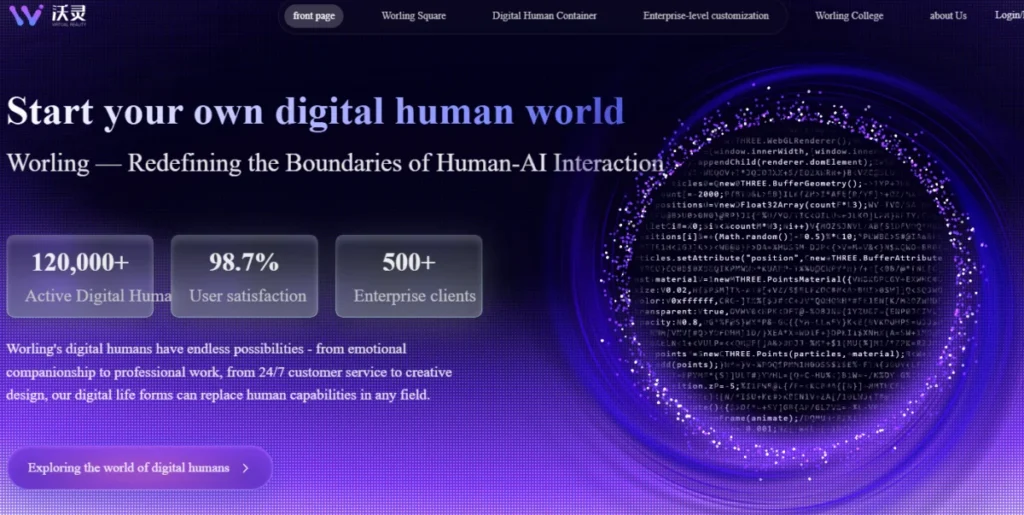
Furthermore, the Fengwo Group claims on their corporate website, fwgcloud[.]com, to have created over 120,000 "AI digital humans." While the company markets these as tools for customer service or companionship, researchers suspect this is either a marketing facade to hide the true scale of their botnet or a means to obscure the true purpose of their massive server infrastructure.
Implications for Consumer Security and Privacy
The implications of this investigation extend far beyond simple ad fraud. The use of these devices represents a fundamental breach of consumer trust and a significant threat to home network security.

The Residential Proxy Danger
Perhaps most alarming is the fact that these devices function as residential proxies. When you plug an insecure TV box into your home network, you are essentially opening a door for anonymous third parties to route their traffic through your IP address. This has been used by ticket scalpers, content scrapers, and hardened cybercriminals to bypass geographic restrictions and security filters. Because the traffic originates from your home, it appears to be legitimate, effectively hiding the criminal’s true location.
The "Insecure by Design" Problem
These devices are typically built with outdated, unpatched versions of the Android operating system. They lack basic authentication, making them prime targets for larger, more malicious botnets. In January, the proxy tracking service Synthient reported that millions of such devices had been enslaved by the "Kimwolf" botnet, which leverages the existing vulnerabilities in the pre-installed proxy software to gain full control over the local network.
The Role of Major Retailers
Despite repeated warnings from the FBI and independent security researchers, major e-commerce platforms continue to provide a marketplace for these products. By failing to vet the devices sold on their platforms, retailers are inadvertently acting as the primary distribution channel for global cybercrime syndicates.
Official Responses and Industry Silence
The Fengwo Group has maintained a veil of secrecy. When investigators and journalists attempted to reach out for comment via the email addresses provided on the company’s own promotional websites, the messages bounced back. The error reports suggested that the company’s mail servers were either overwhelmed by traffic or intentionally configured to reject external inquiries—a standard tactic for entities operating in the shadows of the internet.

Meanwhile, government agencies, including the FBI, have issued alerts emphasizing that the risk is not limited to streaming sticks. Residential proxy software has been discovered in a wide range of IoT devices, including digital photo frames, smart cameras, and low-cost smart home controllers.
How to Protect Your Network
Security experts are now offering a consistent, if inconvenient, piece of advice: Discard the generic boxes.
- Stick to Reputable Brands: If you need a streaming device, purchase from recognized manufacturers like Google (Chromecast), Apple (Apple TV), Amazon (Fire TV), or Roku. These companies maintain rigorous security update schedules and have a vested interest in the integrity of their platforms.
- Verify Android TV Certification: Google provides a simple, searchable database to confirm whether a device is running a legitimate, certified version of Android TV. If a device is not on that list, it should be considered high-risk.
- Network Segmentation: For those who insist on using third-party IoT devices, experts recommend placing them on a "guest" or isolated VLAN (Virtual Local Area Network). This prevents the device from accessing your main computer, NAS, or other sensitive devices on your home network.
- Consult Transparency Databases: Organizations like Synthient maintain active repositories of known malicious IoT hardware. Checking your existing devices against these lists can help identify whether you are currently hosting a node in an illicit botnet.
As the lines between consumer electronics and criminal infrastructure continue to blur, the "free" streaming box is increasingly proving to be one of the most expensive items in the average household. The price, it turns out, is not paid at the checkout counter, but through the compromise of personal data, the abuse of home internet connections, and the fuel it provides to a burgeoning global economy of fraud.