Market Expectations vs. Economic Reality: Nomura Challenges Aggressive Rate Hike Pricing
Date: September 28, 2026
Report by: IANS News Desk
In a significant departure from the prevailing market consensus, financial services giant Nomura has released a cautionary note regarding the current trajectory of interest rate expectations. As of late September 2026, financial markets have aggressively priced in approximately 125 basis points (bps) of cumulative rate hikes over the coming twelve-month period. However, analysts at Nomura argue that such an aggressive monetary tightening stance is "excessive" and fundamentally misaligned with the underlying dynamics of current inflation.
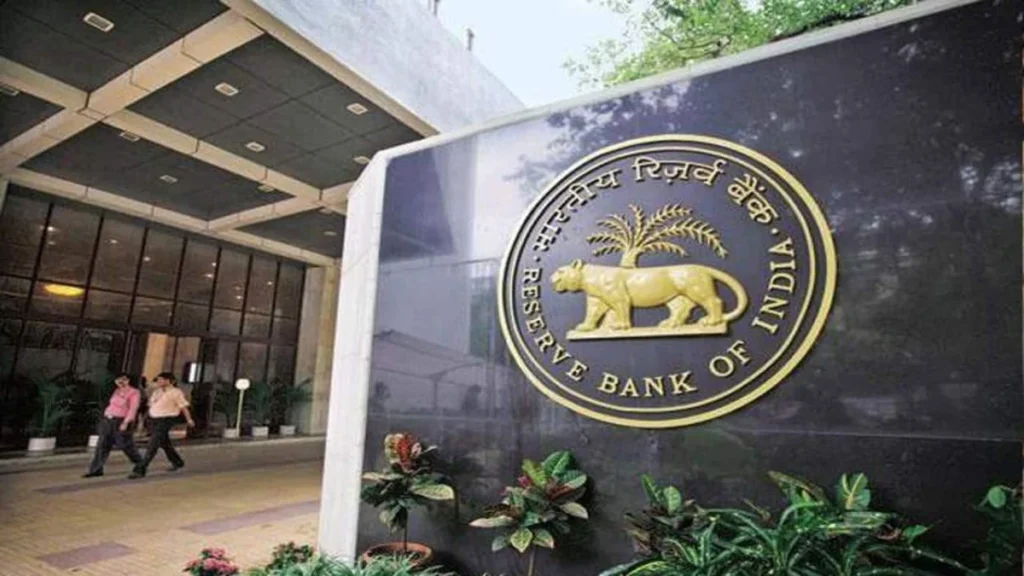
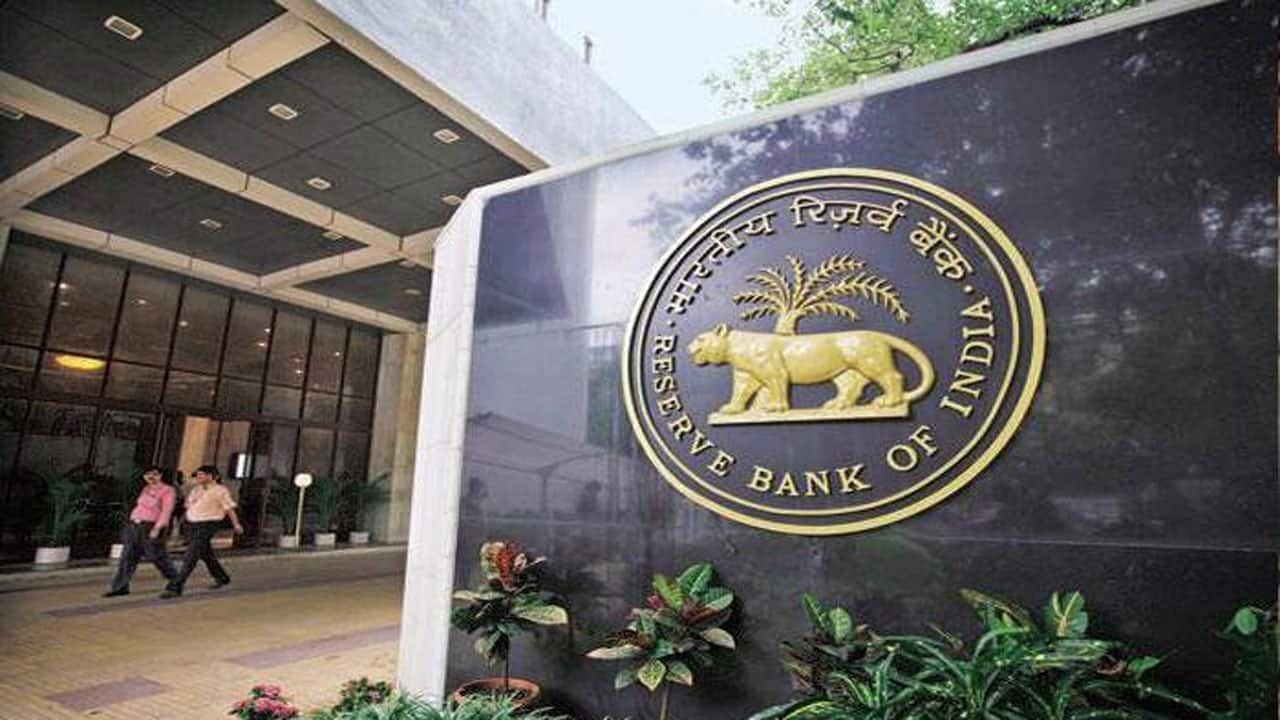
The disconnect between market sentiment and institutional economic forecasting highlights a critical juncture for the Reserve Bank of India (RBI) and global central banking trends. As investors brace for a prolonged cycle of tightening, the debate intensifies: is the market overreacting to headline noise, or is the central bank preparing to unleash a hawkish surprise?
Main Facts: The Great Pricing Disconnect
The core of the current market volatility stems from the discrepancy between the "market-implied" rate path and the "fundamental-driven" outlook. Market participants, driven by concerns over persistent core inflation and currency fluctuations, have pushed bond yields higher, pricing in a robust 125 bps hike cycle.
Nomura’s analysis suggests that this pricing fails to account for the structural cooling of inflationary pressures expected by mid-2027. According to the firm, while the RBI may indeed find it necessary to implement further hikes to anchor expectations, a range of 25 to 50 bps—a fraction of the market’s current prediction—would likely be sufficient to achieve the central bank’s medium-term inflation target.
The primary thesis is that the economy is approaching a "soft landing" phase. By over-tightening, the central bank risks stifling growth unnecessarily, potentially forcing an even sharper, more painful reversal in policy later on.
Chronology: The Path to the Current Impasse
To understand why markets are pricing in such a steep hike trajectory, one must look at the sequence of economic events throughout 2026:
- Q1 2026: Inflationary pressures began to mount due to supply-chain bottlenecks and elevated global commodity prices. The RBI maintained a "cautiously optimistic" stance, keeping rates steady.
- April-June 2026: Global central banks, particularly in the West, turned increasingly hawkish. This created a "spillover effect," putting downward pressure on the rupee and forcing domestic bond markets to adjust.
- July 2026: Initial signs of a slowdown in consumer discretionary spending began to appear, yet inflation remained stubbornly above the RBI’s comfort zone of 4-6%.
- August 2026: Market speculation reached a fever pitch following a surprise uptick in the Consumer Price Index (CPI), leading to a rapid sell-off in sovereign debt and a surge in yield expectations.
- September 2026 (Present): The current pricing of 125 bps reflects a "fear-based" market, where investors are hedging against the worst-case scenario of unchecked inflation, regardless of the macro-prudential data suggesting a slowdown.
Supporting Data: Why 125 bps May Be Excessive
Nomura’s argument is rooted in a detailed analysis of domestic demand and global headwinds. Several factors suggest that the 125 bps hike forecast is based on backward-looking data rather than forward-looking indicators.
1. The Cooling of Commodity Prices
Global energy and food prices, which were the primary drivers of inflation in early 2026, have begun to stabilize. As these transitory costs subside, the "second-round effects"—where wage increases follow price increases—are showing signs of containment.
2. Credit Offtake Trends
Bank credit growth, while resilient, has started to show signs of moderation as borrowing costs rise. Further aggressive hikes would likely cause a sharp contraction in capital expenditure (CapEx) by private corporations, which is only just beginning to recover from the post-pandemic slump.
3. Real Interest Rate Parity
When adjusting for projected inflation in 2027, the current real interest rates are already entering positive territory. Pushing nominal rates up by 125 bps would result in excessively high real rates, which could be deflationary to the point of causing an economic contraction rather than a mere cooling of inflation.
Official Responses and Institutional Stance
While the RBI has remained tight-lipped regarding specific future rate actions, the central bank’s Governor has consistently emphasized a "data-dependent" approach.
"We are committed to price stability, but we are equally cognizant of the need to support the nascent recovery in domestic demand," the Governor noted in the most recent MPC (Monetary Policy Committee) meeting minutes. This statement is widely interpreted by analysts as a signal that the RBI is uncomfortable with the market’s aggressive hawkishness.
Other market participants, including some domestic brokerage firms, have taken a middle-ground approach. They suggest that while 125 bps is high, the RBI may lean toward a "front-loaded" approach—implementing 50 bps quickly to signal resolve, followed by a long pause. However, the Nomura report remains one of the few to explicitly challenge the necessity of such a substantial cumulative increase.
Implications: What This Means for the Economy
The tension between market expectations and reality holds profound implications for various sectors of the economy:
Impact on Borrowers
If the market is correct and 125 bps of hikes materialize, home loans, auto loans, and corporate credit will become significantly more expensive. This could dampen the real estate sector and slow down consumer spending during the upcoming festive and fiscal year-end cycles.
Impact on Equity Markets
Equities generally struggle in a high-rate environment. However, if Nomura’s assessment proves accurate—meaning the RBI hikes significantly less than the market expects—it could act as a positive catalyst for the stock market. A "less-hawkish-than-feared" outcome often leads to a relief rally as investors re-price risk.
Foreign Institutional Investors (FIIs)
FIIs have been closely monitoring the interest rate differential. While higher rates make the rupee more attractive, they also increase the cost of doing business. A balanced approach from the RBI would likely stabilize the currency without scaring off foreign direct investment (FDI) that is vital for long-term growth.
The Road Ahead: 2027 and Beyond
As we move toward the end of 2026, the focal point for the markets will be the inflation prints for the first quarter of 2027. Nomura anticipates that inflation will naturally ease as supply-side constraints resolve and the base effect of 2026’s high prices fades.
If this forecast holds true, the RBI will have the luxury of adopting a more dovish tone. The challenge for the central bank is to navigate the next six months without succumbing to the pressure of bond markets, which are currently pricing in a scenario that may no longer be relevant by the time the next fiscal year begins.
For investors and policy observers, the lesson is clear: current market pricing is often a reflection of fear, not a crystal ball for policy. As the dust settles, the gap between the 125 bps "market expectation" and the 25-50 bps "institutional expectation" will likely be the most important trend to watch in the coming months.
Conclusion
The Nomura report serves as a timely reminder that financial markets can often overshoot. By aggressively pricing in rate hikes, the market is effectively doing the central bank’s work for it by tightening financial conditions. However, should the RBI choose to ignore the market’s "demand" for higher rates and stick to a data-driven path, the economic outlook for 2027 could be significantly brighter than what is currently being reflected in the bond yields of September 2026.