The Marathon Runner: A Comprehensive Analysis of the Xiaomi Redmi Note 17 5G Battery and Charging Performance

In an era where smartphone manufacturers are locked in a relentless race for thinner profiles and higher-spec camera modules, Xiaomi has taken a markedly different, arguably more pragmatic, approach with its latest Redmi Note series. While the industry largely obsesses over megapixel counts and NPU-driven AI gimmicks, the newly released Redmi Note 17 5G places its focus squarely on the foundation of the user experience: longevity.
With the global transition to 5G largely complete, the continued existence of a 4G-only variant in the Redmi Note 17 lineup is a testament to the specific demands of emerging markets. However, the 5G model, powered by the efficient 4nm Snapdragon 4 Gen 4, stands as the flagship of this mid-range duo. In this deep-dive analysis, we examine the battery and charging performance that defines this handset, comparing it against its predecessors, its internal siblings, and key market competitors.
Main Facts: A New Benchmark for Endurance
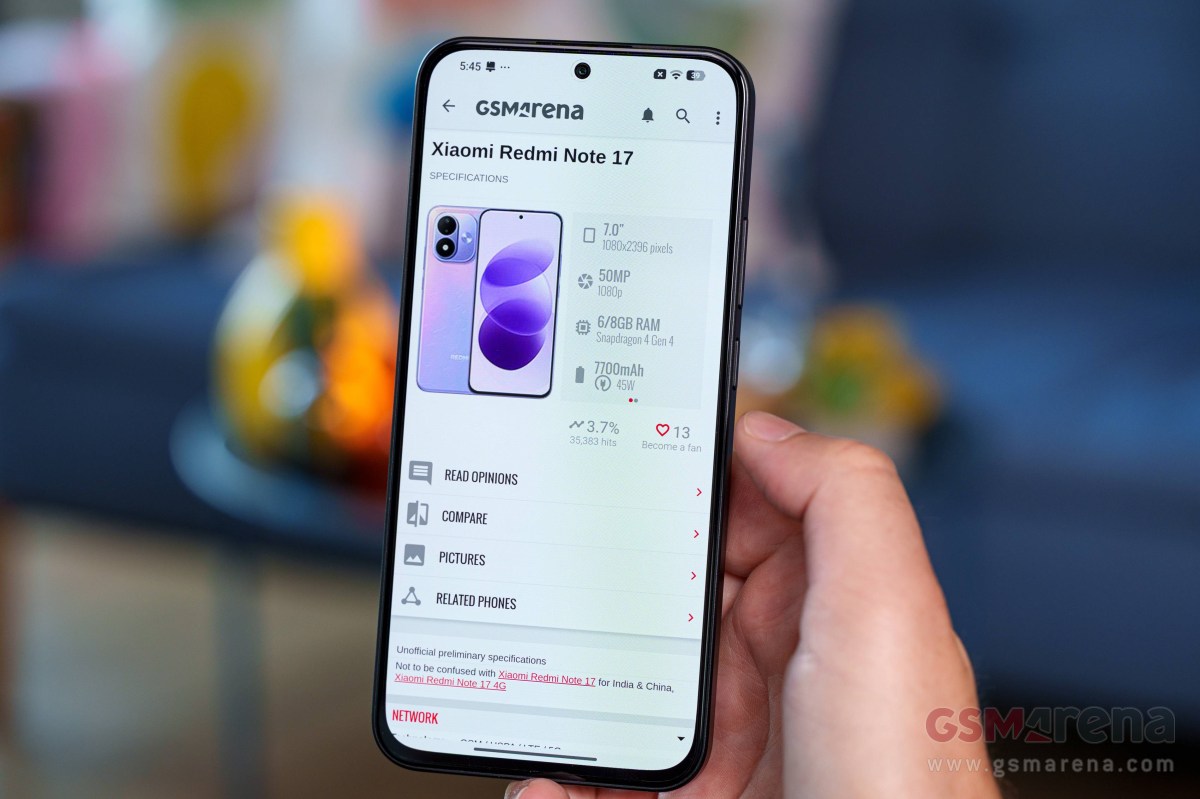
The Redmi Note 17 5G enters the market with a massive 7,700mAh silicon-carbon (Si/C) battery. This represents a significant generational leap from the Note 15 5G, which relied on a 5,520mAh cell. By moving to Si/C battery technology, Xiaomi has managed to pack substantially more energy density into the chassis without turning the device into an unmanageable brick, despite the presence of a sprawling 6.99-inch 120Hz OLED display.
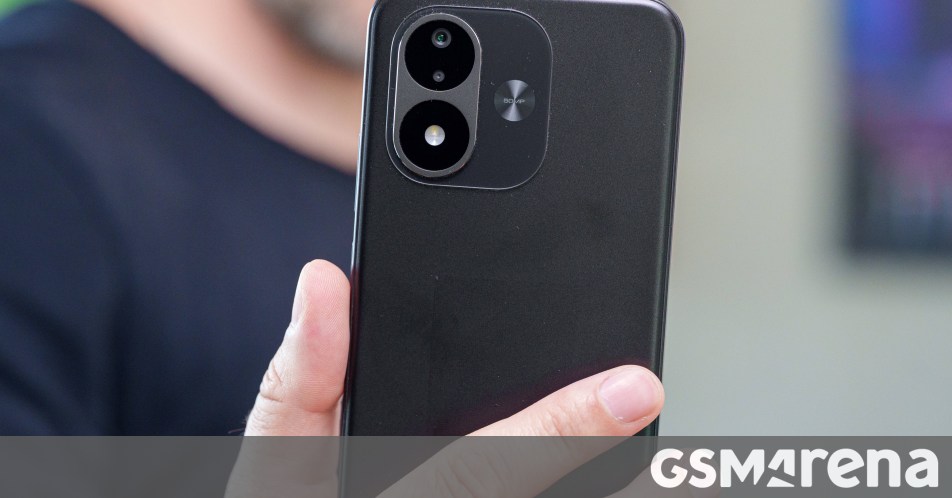
Core Specifications at a Glance:
- Processor: Snapdragon 4 Gen 4 (4nm node)
- Battery Capacity: 7,700mAh (Si/C technology)
- Display: 6.99-inch 1080p+ OLED, 120Hz
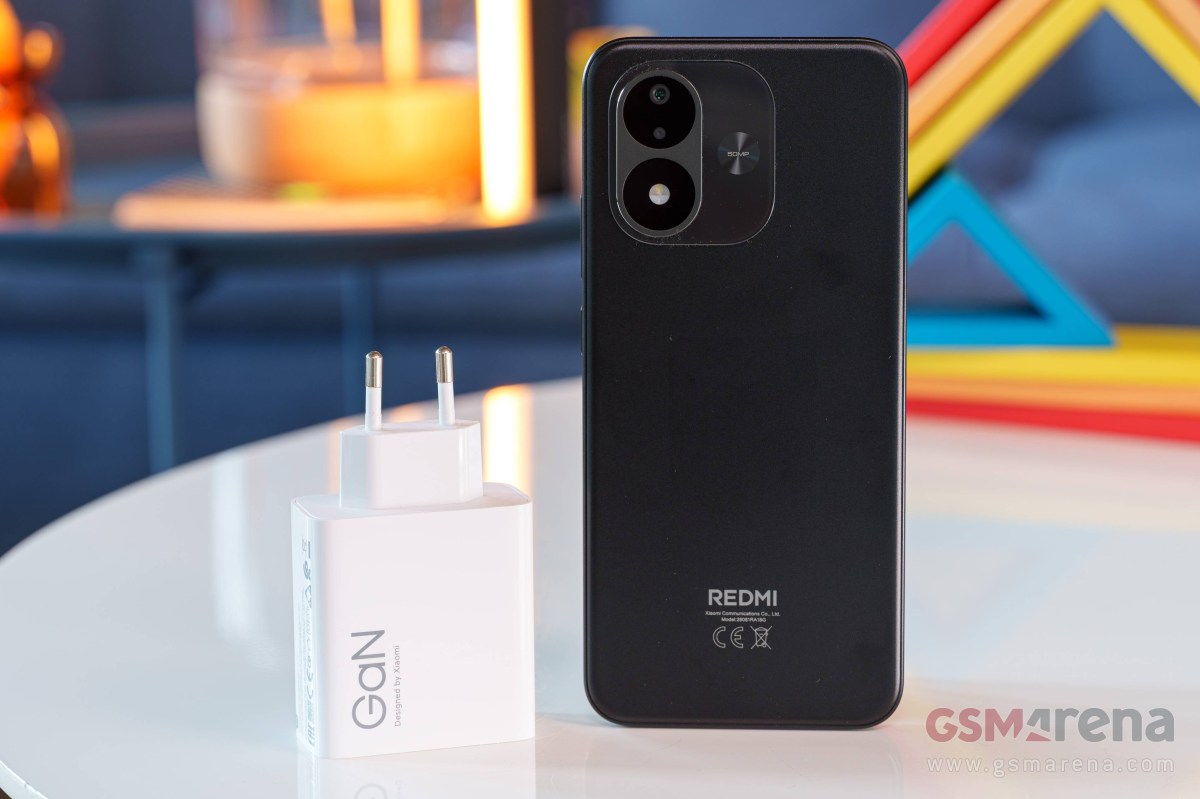
- Charging: 45W Wired (Reverse charging support at 22.5W)
- Active Use Score: ~20 hours
The primary narrative here is one of linear efficiency. With a 39% increase in battery capacity over the previous generation, the device delivers a near-identical 38% improvement in real-world active use endurance. This suggests that despite the larger, power-hungry display, the 4nm chipset optimization is doing the heavy lifting, maintaining a thermal and power-draw equilibrium that is rare in the mid-range segment.
Chronology: The Evolution of the Redmi Note Series
To understand the trajectory of the Redmi Note 17, we must look at the recent history of Xiaomi’s budget-friendly workhorses.
Historically, the "Note" series was defined by rapid, incremental updates to camera sensors and charging speeds. Two generations ago, the Note 15 5G was a competent, if unremarkable, device featuring a 5,520mAh battery paired with 45W charging. Its 4G counterpart utilized a Helio G100 Ultra, a chipset that, while reliable, lacked the modern node efficiency found in today’s Snapdragon 4 Gen 4.
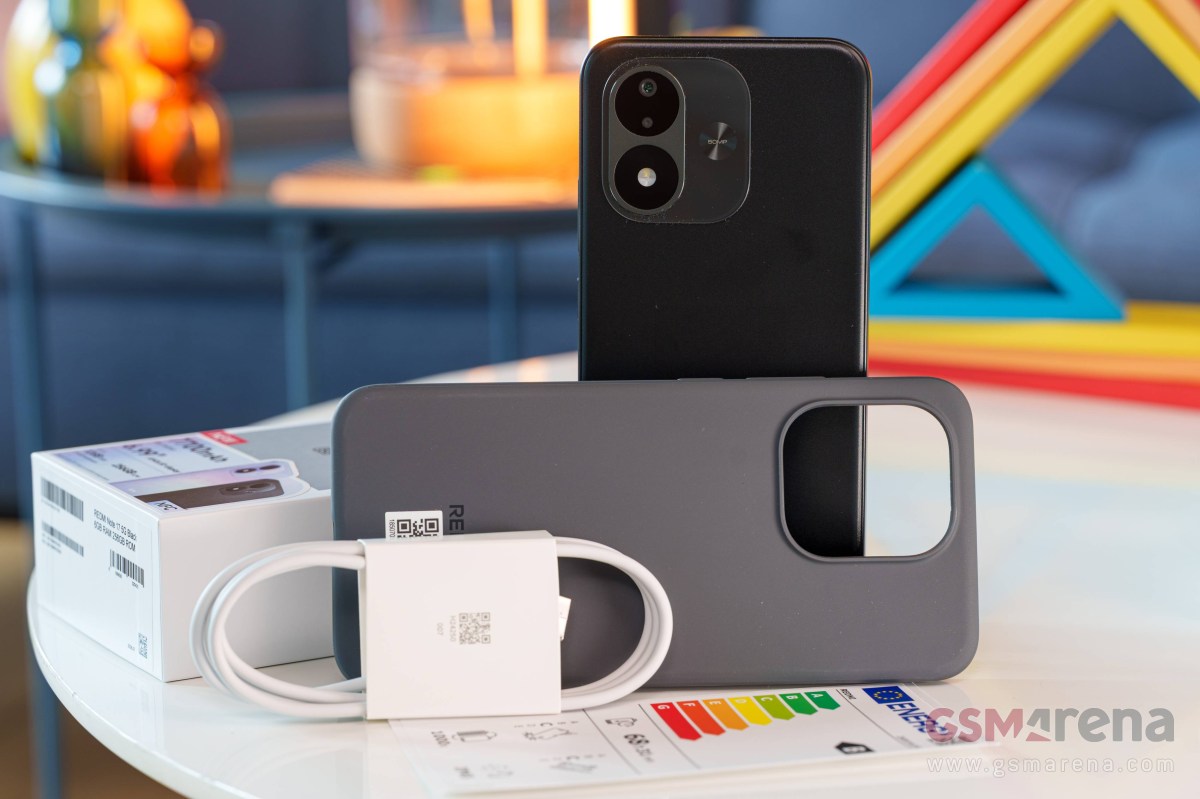
The shift toward silicon-carbon batteries marks a pivot in Xiaomi’s design philosophy. By embracing higher-density battery materials, Xiaomi has effectively "solved" the battery anxiety that plagues mid-range users. The Note 17 5G serves as a proof-of-concept: that large-capacity cells, once reserved for specialized gaming phones or obscure niche devices, are now ready for the mass market.
Supporting Data: Comparative Analysis
When evaluated against its peers, the Redmi Note 17 5G’s performance becomes clearer.
The Realme 16T Contrast
The Realme 16T attempts to challenge the Redmi with an even larger 8,000mAh battery. Our testing confirms that the 16T does indeed outlast the Redmi by approximately three hours in cumulative usage. However, this is achieved through a 720p+ 144Hz IPS LCD panel. While the 16T excels in raw longevity, it sacrifices visual fidelity and pixel density, and its Dimensity 6300 chipset struggles significantly more in GPU-intensive tasks compared to the Snapdragon architecture in the Note 17.
The Poco M8 Pro Dilemma
The Poco M8 Pro presents an alternative philosophy: fast charging over pure capacity. With a 6,500mAh battery, it is significantly smaller than the Note 17. However, its 100W charging capability allows it to hit 83% in just 30 minutes. The Note 17, by comparison, manages only 41% in the same timeframe. The decision for the consumer becomes a binary choice: do you want to charge your phone once every three days, or do you prefer to charge it for 15 minutes every day?
The Redmi Note 17 Pro Paradox
Perhaps the most surprising data point is the performance of the "Pro" model. Despite having an 8,340mAh battery—a significant increase over the standard model—the Pro fails to outperform the base Note 17 in endurance. The culprit is the 1280p+ display and a chipset that, despite its naming convention, lacks the fine-tuned efficiency of the 4 Gen 4. This highlights that "more capacity" does not always equate to "more endurance" if the overhead of the internal components is not properly balanced.
Official Responses and Engineering Rationale
In discussions surrounding the development of the Note 17 series, Xiaomi representatives have hinted at a strategic shift. When asked about the decision to prioritize battery size over high-resolution camera sensors (which were downgraded from 108MP in the Note 15 to a more modest setup in the Note 17), the company noted that user feedback consistently highlighted "charging anxiety" as the primary pain point for the core demographic.
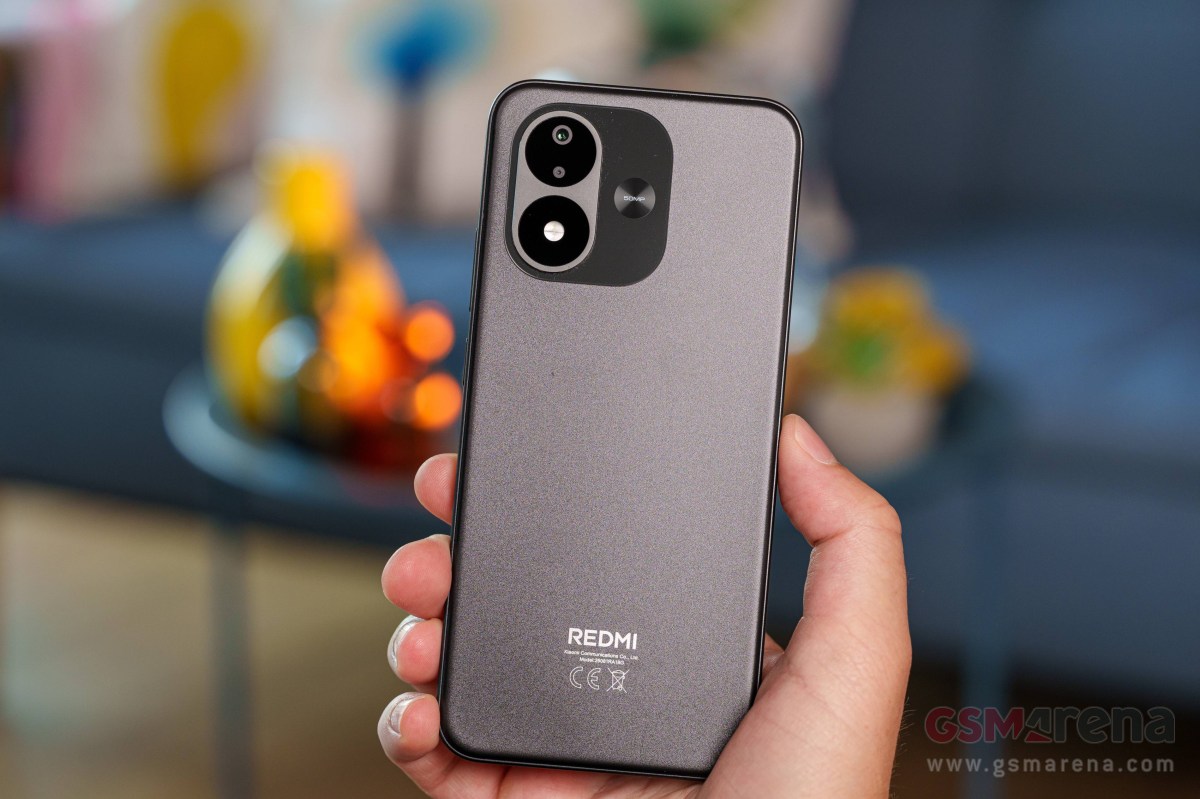
The decision to cap charging at 45W—a speed that feels modest in the age of 120W+ hyper-charging—is likely a calculated move to preserve long-term battery health. By avoiding the extreme thermal stress associated with 100W+ charging, Xiaomi is aiming to ensure that the 7,700mAh cell maintains its capacity integrity for 3–4 years of ownership, aligning with their expanded software support cycles.
Implications: A New Standard for the Mid-Range Market
The implications of the Redmi Note 17 5G’s performance are profound for the mobile industry.
1. The Death of the "Power Bank" Era
For the average consumer, the Redmi Note 17 5G effectively renders the external power bank obsolete. With an active use score of nearly 20 hours, it is physically impossible for even a "heavy" user to exhaust the battery in a standard waking day. This shifts the marketing focus from "how fast can it charge" to "how long can I forget about the charger."
2. The Efficiency-Display Trade-off
Xiaomi has proven that screen size and resolution are the primary variables in battery drain. The Note 17 5G’s use of an OLED panel with a balanced 1080p+ resolution is the "Goldilocks" zone. Moving to 1440p or beyond would likely have necessitated a larger battery that would have compromised the ergonomics of the device.
3. The Charging Speed Ceiling
The market is currently split into two camps: the "Speed Demons" (like the Poco M8 Pro) and the "Endurance Kings" (the Redmi Note 17). The data suggests that for the mainstream user, the utility of a three-day battery life outweighs the convenience of a 20-minute full charge. However, for the Note 17 to truly dominate, a 67W charging implementation would have been the logical next step. Waiting nearly 90 minutes for a full charge in 2026 feels like a relic of a bygone era.
4. Competitive Pressure
Competitors like Samsung, represented here by the Galaxy A37, are currently failing to compete on the hardware-to-price ratio. When a flagship mid-ranger like the A37 is outperformed in both battery capacity and charging velocity by a device that costs significantly less, the market share pressure on established giants will only intensify.

Conclusion
The Xiaomi Redmi Note 17 5G is not a perfect device. Its camera system is a step back from the previous generation, and its charging speed is beginning to feel sluggish. However, it succeeds in its primary objective: providing a stress-free battery experience.
In a world where smartphones are becoming increasingly complex, there is a quiet, sophisticated elegance to a device that simply refuses to die. For the student, the traveler, or the professional who spends their day away from an outlet, the Note 17 5G offers a level of reliability that is arguably more valuable than any number of megapixels or NPU teraflops. Xiaomi has identified that for the vast majority of users, the best feature a phone can have is the ability to stay on. In this, the Redmi Note 17 5G is an unqualified success.