Motorola’s Bold Pivot: Unpacking the Leaked Specs of the ‘Razr Flex’ Wide Foldable
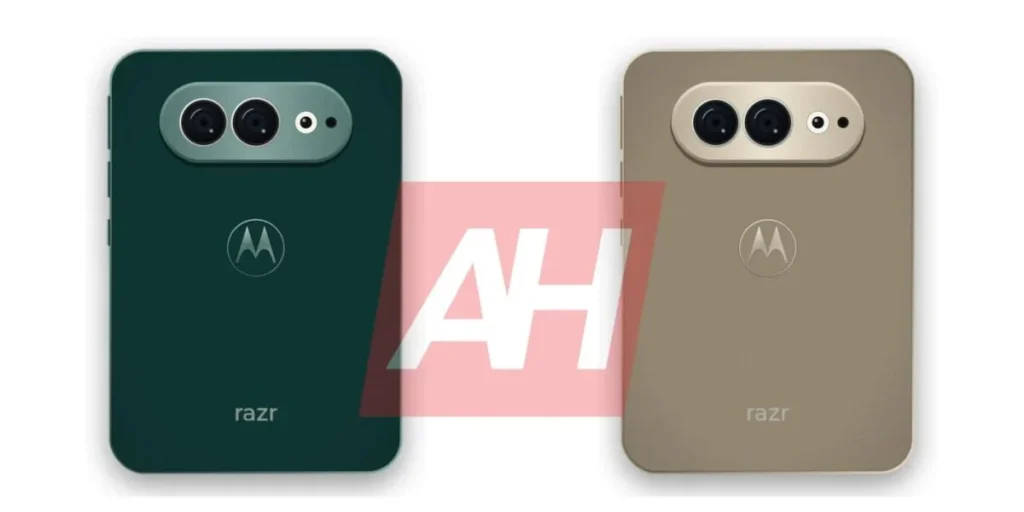
Motorola, a brand historically synonymous with mobile innovation, appears to be preparing for its most significant hardware shift in years. Following weeks of speculative leaks and cryptic social media teasers, detailed specifications for the company’s first "wide" foldable smartphone have surfaced. Internally referred to as "Parker" and potentially branded as the "Razr Flex," this device signals Motorola’s intent to move beyond the clamshell "Flip" form factor to challenge the dominance of the book-style foldable market.
With a scheduled mid-December launch, the device promises a high-performance internal suite headlined by the Snapdragon 8 Elite Gen 5 processor, a refined hinge design, and an aggressive focus on durability. As the mobile industry watches closely, the Razr Flex emerges as a potential contender to disrupt the duopoly currently held by Samsung and Google.
Chronology: From Rumors to Reality
The journey of the Motorola "Parker" has been rapid and public. The timeline of its emergence reflects a calculated marketing strategy designed to build anticipation while simultaneously undercutting competitors.
The Initial Leak
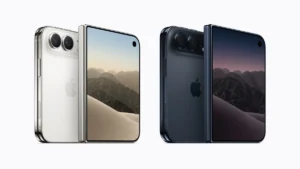
The narrative began earlier this month when a series of technical sketches hit the web. These early CAD-style renders hinted at a device that deviated from the narrow aspect ratios of the Razr 50 Ultra, showcasing a wider, book-style folding architecture. The sketches immediately sparked debate among enthusiasts regarding the hinge mechanism and the overall footprint of the device.
The Official Tease
In a rare move for the company, Motorola did not shy away from the leaks. Shortly after the sketches went public, the brand began an official social media campaign. The teasers, which were widely interpreted as a direct response to the dual-foldable strategies employed by competitors, confirmed that a "wide" foldable was indeed in development. By acknowledging the device publicly, Motorola successfully transitioned the narrative from "speculative rumor" to "imminent reality."
The Specification Drop
The latest leak, which provides the most comprehensive look at the internal hardware to date, has filled the gaps left by the initial sketches. This data, corroborated by reports from Android Headlines, provides a roadmap for what consumers can expect when the device hits shelves this winter.
Supporting Data: Technical Specifications
The Razr Flex is positioned as a flagship device, boasting specifications that reflect a premium tier of engineering. Below is a breakdown of the hardware currently associated with the "Parker" project.
Display and Visuals
Motorola is leaning heavily into high-fidelity display technology. The device features a massive 6.92-inch inner OLED folding screen. Notably, it supports a 165Hz refresh rate—a significant upgrade over the standard 120Hz found in most current foldables—offering smoother scrolling and a more responsive gaming experience. The resolution of 2364×1728 ensures crisp pixel density for media consumption.
The external cover display is equally impressive. Measuring 4.97 inches, the OLED panel offers a high resolution of 1140×1736, effectively serving as a fully functional smartphone screen when the device is closed. This minimizes the need for users to unfold the phone for quick tasks, such as messaging or navigation.
Performance and Internals
At the heart of the device lies the Qualcomm Snapdragon 8 Elite Gen 5 SoC. This silicon choice marks a commitment to top-tier performance, ensuring that the multitasking capabilities inherent in a large foldable screen are supported by sufficient computational power.
- RAM: 12GB (Standard).
- Storage: 256GB (Fixed).
- Battery: 5,000 mAh, supporting 25W wireless charging.
The decision to limit the device to a single storage configuration of 256GB is an unconventional choice for a flagship model in 2025, suggesting a strategy aimed at streamlining manufacturing costs or simplifying the consumer purchasing journey.
Optics and Durability
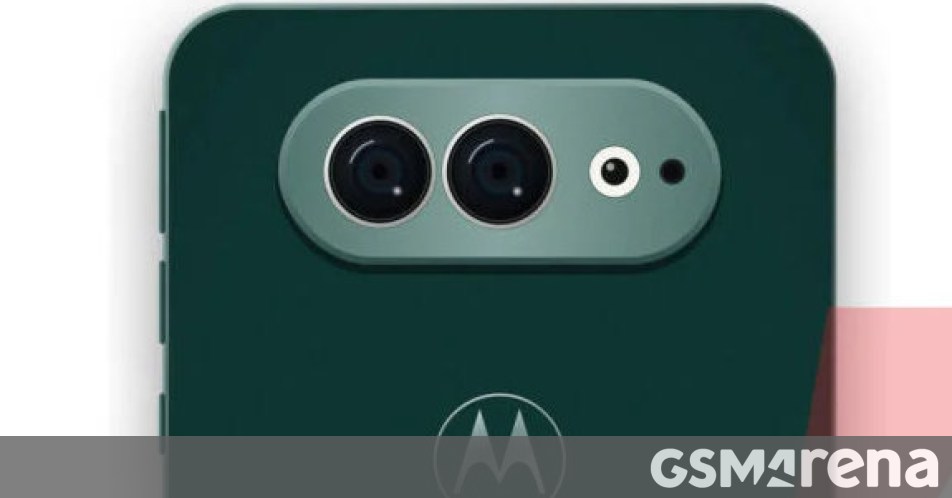
Motorola has equipped the Razr Flex with a versatile camera array:
- Primary Rear: 50MP main sensor.
- Ultrawide: 50MP.
- Selfie Cameras: Dual 32MP sensors (one integrated into the internal display, one in the cover display).
Durability is a primary selling point. The device carries both IP48 and IP49 certifications, indicating a high level of protection against both water ingress and dust—a notorious weak point for early-generation foldable devices. With a weight of 215g and a thickness of 5.8mm when unfolded, the device balances structural integrity with a sleek, premium profile.
Official Responses and Strategic Positioning
Motorola has maintained a strategic silence regarding the specific "Razr Flex" moniker, though the company’s marketing team has been vocal about the "wide foldable" category. In recent press statements, the company hinted that their next device would be "an answer to the limitations of modern productivity."
Industry analysts suggest that the branding "Razr Flex" is a logical evolution of the Razr brand identity. By tethering the new device to the iconic Razr name, Motorola aims to leverage decades of brand equity while signaling a "flexibility" in form factor that separates this device from the classic clamshells.
Motorola’s marketing strategy appears to be a direct challenge to the Apple-Samsung ecosystem. By launching with Android 17 out of the box, the company is positioning the Razr Flex as a cutting-edge software experience, likely featuring deep integration with Gemini AI and Motorola’s proprietary "Ready For" platform.
Implications: The Market Landscape
The introduction of a wide-format Motorola foldable has significant implications for the mobile industry.
Changing the Foldable Paradigm
For years, the book-style foldable market has been dominated by a specific aesthetic. Motorola’s entry suggests that the "wide" format is becoming the new standard for users who view their mobile devices as primary productivity tools. The choice of 165Hz for the internal display is a "power-user" feature that may force competitors to rethink their own display specifications in the next cycle.
The Durability War
The inclusion of IP49 certification is perhaps the most critical takeaway. Foldables have historically struggled with the perception of fragility. If Motorola can successfully market the Razr Flex as a device capable of surviving dust and heavy water exposure, it could win over a segment of the market that has previously avoided foldables due to reliability concerns.
The Software Challenge
Launching with Android 17 presents both an opportunity and a risk. While it ensures the device will be relevant for years, it also places the burden on Motorola to ensure that the interface is perfectly optimized for a non-standard wide screen. The success of the "Parker" will depend not just on the hardware, but on whether Motorola can provide a software experience that makes the large screen feel like a necessity rather than a gimmick.
Mid-December: A Critical Window
By launching in mid-December, Motorola is positioning the device as a "pre-holiday/new year" luxury purchase. This timing avoids the crowded September launch window occupied by Apple, allowing the Razr Flex to occupy the spotlight during the critical end-of-year shopping period.
Conclusion: A New Chapter for Motorola
As the release date nears, the "Razr Flex" (or whatever the final branding may be) stands as a testament to Motorola’s resilience. The company has moved from being a legacy player to an aggressive innovator in the foldable space. With its combination of the Snapdragon 8 Elite Gen 5, a high-refresh-rate OLED panel, and robust environmental protections, the device is clearly aimed at high-end consumers who demand both form and function.
Whether or not the "Razr Flex" can topple the market leaders remains to be seen. However, by embracing the wide-foldable form factor and doubling down on high-performance internals, Motorola has sent a clear message to the industry: the competition for the foldable future is only just beginning. As we await the official unveiling in December, the technical specs provided by these leaks paint a picture of a device that is well-prepared to challenge the status quo.