Lava Expands 5G Footprint: The New Shark 2 Pro and the Strategy of Iterative Hardware
In the rapidly evolving landscape of affordable smartphones, Lava International has cemented its reputation as a brand focused on utility, durability, and accessibility. Following the late-August launch of the Virat V1 Pro, the Indian manufacturer has surprised the market with the introduction of the Lava Shark 2 Pro. While the device shares the vast majority of its DNA with its predecessor, it represents a calculated attempt by Lava to capture different segments of the budget-conscious demographic through strategic rebranding and minor hardware consistency.
Main Facts: The Anatomy of the Lava Shark 2 Pro
The Lava Shark 2 Pro arrives as a robust contender in the entry-to-mid-level 5G segment. At its core, the device is built around a expansive 6.75-inch IPS LCD display. While the 720 x 1,600px resolution may appear modest by modern standards, it is elevated by a 120Hz refresh rate, ensuring fluid scrolling and a responsive interface. The display reaches a peak brightness of 550 nits in High Brightness Mode (HBM), which, while not class-leading, is adequate for indoor and shaded outdoor usage.
Internally, the device is powered by the Unisoc T8200 chipset. Fabricated on a 6nm process, this octa-core processor (featuring 2x Cortex-A76 cores at 2.3GHz and 6x Cortex-A55 cores at 2.1GHz) is designed to handle daily multitasking, light gaming, and 5G connectivity without significant thermal throttling. Paired with 6GB of RAM and 128GB of internal storage—which is expandable up to 1TB via a hybrid microSD slot—the Shark 2 Pro offers a reliable configuration for users transitioning from older 4G devices.
Camera and Optics
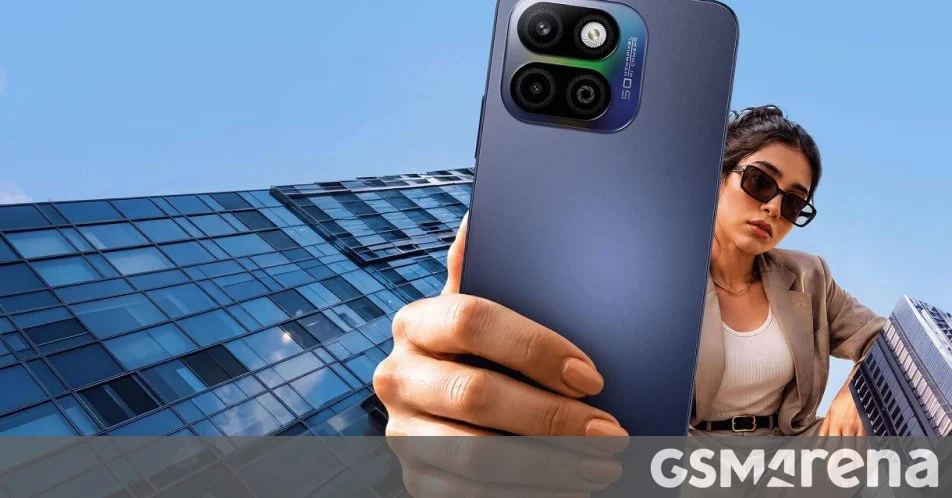
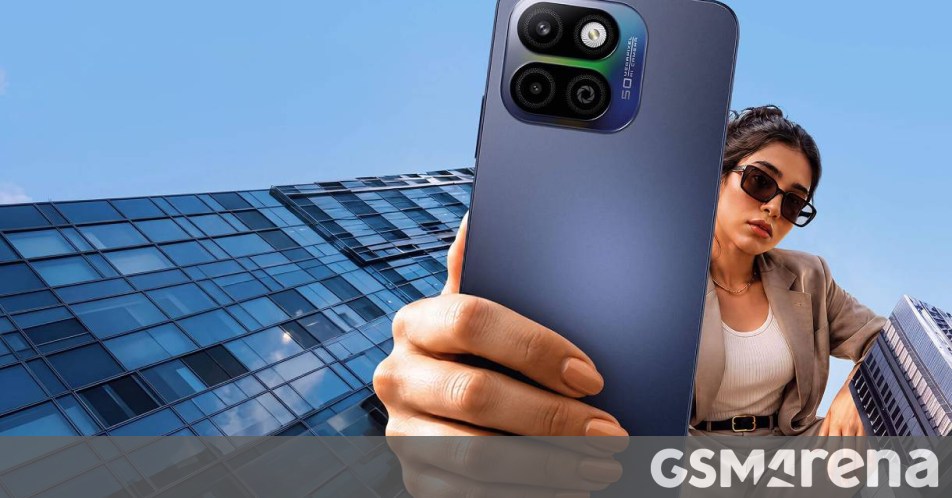
Despite the modern aesthetic of the rear camera module, the Shark 2 Pro opts for a minimalist approach. It features a single 50MP "AI" camera, eschewing the trend of filler secondary sensors. This primary shooter captures video at 1080p @ 30fps. On the front, an 8MP selfie camera is housed within a teardrop notch, serving both as a vanity lens and the primary sensor for face unlock. Security is further bolstered by a side-mounted fingerprint scanner, boasting a competitive 280ms unlock time.
Battery and Endurance
Perhaps the most notable feature of the Shark 2 Pro is its massive 6,000mAh battery. Designed for heavy users who prioritize longevity over ultra-fast charging, the device supports 18W charging. A full charge from 0 to 100% takes approximately 2 hours and 40 minutes, a trade-off many users may find acceptable given the extended screen-on time provided by the high-capacity cell.
Chronology: A Strategic Rollout
The timeline of Lava’s recent releases reveals a clear pattern of "platform-based" hardware deployment:

- Late August: Lava launches the Virat V1 Pro. Positioned as a value-for-money 5G device, it sets the baseline for the current design language: 6.75-inch display, 6,000mAh battery, and the Unisoc T8200 chipset.
- Mid-September: Internal leaks and teasers suggest a new "Shark" series device is imminent.
- Late September: The Lava Shark 2 Pro is officially announced, confirming it shares the same foundational hardware as the Virat V1 Pro but with distinct branding and slight adjustments in market positioning.
- Post-Announcement: Lava confirms the device will hit both offline and online retail channels, with a specific focus on the "Service@Home" initiative to differentiate itself from competitors.
Supporting Data: Technical Specifications at a Glance
| Feature | Specification |
|---|---|
| Chipset | Unisoc T8200 (6nm, 5G) |
| Display | 6.75-inch IPS LCD, 120Hz, 720p+ |
| Memory | 6GB RAM / 128GB Storage (Expandable) |
| Battery | 6,000mAh, 18W Charging |
| Camera | 50MP Rear / 8MP Front |
| OS | Android 16 (Upgradable to Android 17) |
| Dimensions | 8.7mm thickness, 207g weight |
| Durability | IP64 Dust and Splash Resistant |
The inclusion of the Unisoc T8200 is particularly interesting. As this same chipset powers the older Lava 2, the company is demonstrating a high degree of confidence in the platform’s stability and thermal management. By standardizing the internals across multiple models, Lava can optimize software support more efficiently, as evidenced by their promise of two years of security patches.
Official Responses and Software Strategy
Lava has taken a proactive stance regarding the software experience. While many competitors in the sub-₹20,000 segment saturate their UI with "bloatware," Lava claims the Shark 2 Pro experience is "bloat-free." The device launches with Android 16 and a guaranteed path to Android 17. While this is the extent of the OS update lifecycle, the company has integrated its proprietary Vayu AI assistant.

Lava’s representative messaging emphasizes the "Service@Home" program. This is a crucial value-add in the Indian market, where after-sales support often dictates brand loyalty. By offering a 1-year replacement warranty on the phone and a 6-month warranty on accessories, Lava is essentially betting that the build quality of the Shark 2 Pro—reinforced by an IP64 dust and splash resistance rating—will minimize the need for repair, thereby lowering their long-term service overhead.
Implications: Market Positioning and Future Outlook
The arrival of the Shark 2 Pro at ₹16,700 (approx. $175) creates an interesting internal dynamic with the Virat V1 Pro, which retails for around ₹16,000.
The Strategy of Rebadging
In the global smartphone industry, rebadging is a common practice used to target different distribution channels. The Shark 2 Pro may be intended for a different retail segment—perhaps focusing on the offline market where branding and aesthetic names carry significant weight. By keeping the hardware identical, Lava reduces R&D costs and streamlines manufacturing.
The 5G Transition
The primary implication of this release is the acceleration of 5G penetration. At the sub-₹17,000 price point, consumers are no longer choosing between 5G capability and basic usability. The Shark 2 Pro provides a stable 5G modem, a high-refresh-rate screen, and a massive battery, checking all the boxes for the modern, pragmatic consumer.
Competitive Challenges
However, the path ahead is not without obstacles. The 18W charging speed is significantly slower than what competitors from the Xiaomi or Realme ecosystem offer at similar price points. Furthermore, the 720p+ resolution on a 6.75-inch panel may face criticism from users who prioritize pixel density for media consumption.
Ultimately, the Lava Shark 2 Pro is not intended to be a flagship killer. It is a workhorse. It is designed for the user who needs a phone that stays powered for two days, connects to the fastest available network, and survives the occasional splash of water or a dusty commute. Lava’s decision to maintain hardware parity between the Virat and the Shark series suggests a long-term commitment to a specific, highly optimized mid-range platform. Whether the market will favor this consistency over the aggressive, high-spec wars of their rivals remains to be seen, but for now, Lava has provided a reliable, straightforward option for the Indian consumer.