Empowering the Grassroots: How PMEGP is Reshaping India’s Micro-Enterprise Landscape
By IANS
Updated: October 03, 2026, 03:59 PM IST
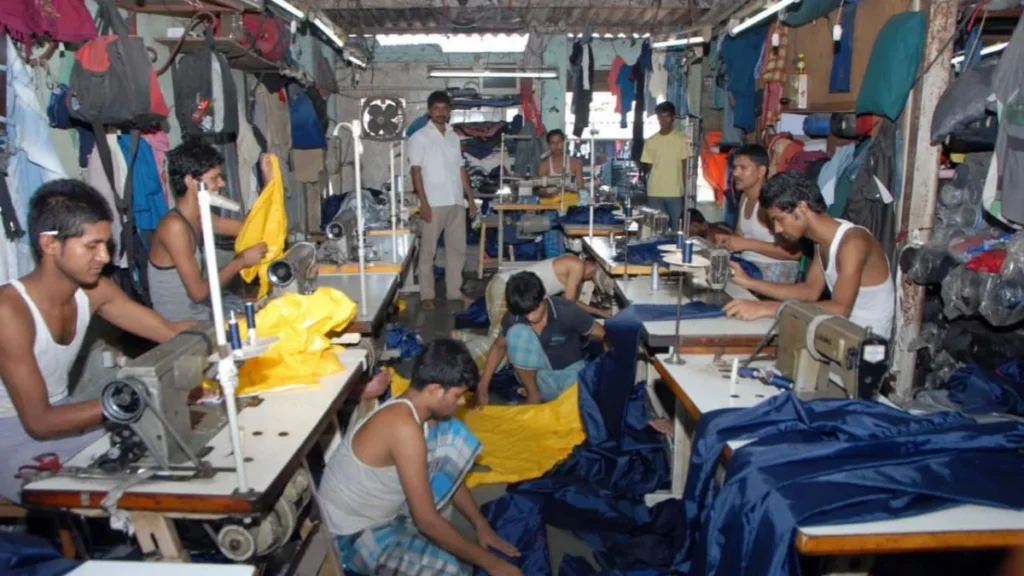
The Prime Minister’s Employment Generation Programme (PMEGP), the flagship credit-linked subsidy scheme under the Ministry of Micro, Small and Medium Enterprises (MSME), continues to serve as a bedrock for India’s grassroots economic transformation. Implemented by the Khadi and Village Industries Commission (KVIC), the initiative has evolved into a powerful engine for self-employment, specifically targeting the non-farm sector in rural and semi-urban India. By bridging the gap between entrepreneurial ambition and capital accessibility, PMEGP is actively decentralized industrial growth, turning job seekers into job creators.
The Core Mandate: Driving Self-Employment at the Grassroots
At its heart, PMEGP is designed to foster a culture of entrepreneurship where it is needed most. The scheme provides substantial financial assistance to individuals, particularly those from marginalized sections of society, to set up micro-enterprises. Unlike traditional lending models that often demand high collateral and credit history, PMEGP leverages government subsidies to reduce the financial burden on new entrepreneurs, thereby lowering the entry barrier for millions.
The focus remains strictly on the non-farm sector. By diversifying rural economies away from agriculture, the program addresses the critical issue of disguised unemployment and provides a sustainable livelihood model that is resilient to seasonal agricultural fluctuations. Whether it is a small manufacturing unit, a service-based business, or a traditional handicraft venture, PMEGP provides the fiscal scaffolding required to turn local ideas into viable, scaleable businesses.
A Decade of Growth: Chronology of Impact (2014–2026)
Since the 2014-15 fiscal year, the trajectory of PMEGP has been nothing short of transformative. Over the past decade, the government has prioritized the formalization and expansion of micro-enterprises as a pillar of national economic stability.
- 2014-2016 (The Foundation Phase): The initial years saw a push toward streamlining the application process. Efforts were made to digitize the subsidy disbursement pipeline to ensure transparency and reduce the turnaround time for applicants.
- 2017-2019 (Scaling and Digitization): With the introduction of the PMEGP e-Portal, the scheme became more accessible. Applicants could now apply online, track their status, and communicate directly with nodal banks, removing middlemen and local biases.
- 2020-2022 (The Resilience Phase): During the global pandemic, PMEGP became a lifeline. Recognizing that many workers were returning to their rural homes, the Ministry expanded the scope of the program, allowing for easier credit access to support local supply chains and "Atmanirbhar" (self-reliant) initiatives.
- 2023-2026 (The Expansion Phase): The focus shifted toward sustainable technology adoption, digital literacy for entrepreneurs, and integrating micro-enterprises into national e-commerce platforms. This period witnessed record-breaking disbursement figures, reinforcing the program’s role as a cornerstone of India’s economic growth.
Supporting Data: The Scale of Achievement
The impact of PMEGP is best quantified through its massive reach. Recent data confirms that since the 2014-15 fiscal year, the program has successfully supported 8.12 lakh micro-entrepreneurs. The cumulative financial support provided through government subsidies has touched a staggering Rs 24,398 crore.
Breakdown of Impact:
- Employment Generation: Beyond the individual entrepreneurs, the scheme has facilitated the creation of millions of indirect jobs, strengthening local supply chains.
- Geographic Reach: A significant majority of these units are located in Tier-3 towns and rural clusters, effectively preventing rural-to-urban migration by providing opportunities within the local ecosystem.
- Social Inclusion: A large percentage of the beneficiaries belong to SC, ST, and OBC categories, ensuring that the fruits of economic development are equitably distributed across the social spectrum.
- Capital Utilization: The Rs 24,398 crore disbursement has acted as a catalyst, triggering a total investment in the MSME sector that far exceeds the initial subsidy, as bank loans and personal capital are added to the pool.
Official Perspectives: The Vision Behind the Numbers
The Ministry of MSME and KVIC have consistently maintained that PMEGP is not merely a subsidy scheme but a structural reform.
"The goal is not just to provide credit, but to build an ecosystem," an official from the Ministry stated during a recent review. "When an entrepreneur in a remote village receives a PMEGP subsidy, they are not just starting a shop; they are becoming part of the formal economy. They register for GST, they open bank accounts, and they eventually scale up to employ others in their community. This is the multiplier effect we aim for."
KVIC, acting as the nodal agency, has been tasked with constant monitoring and audit. The Commission has implemented a robust feedback mechanism where the survival rate of the micro-enterprises is tracked. Reports suggest that the longevity of PMEGP-supported units is significantly higher than that of private-funded micro-enterprises, largely due to the mentorship and training components bundled with the credit facility.
The Socio-Economic Implications: A Paradigm Shift
The success of PMEGP carries profound implications for the Indian economy.
1. Decentralization of Industry
By concentrating on non-farm sectors, PMEGP prevents the overcrowding of the agricultural sector. It encourages the processing of local raw materials—such as agro-processing, rural manufacturing, and eco-friendly packaging—right at the source. This reduces logistical costs and boosts local economies.
2. Financial Inclusion
For many beneficiaries, PMEGP represents their first interaction with the formal banking sector. By navigating the credit process, rural entrepreneurs gain financial literacy, which allows them to manage their business accounts, taxes, and future capital requirements more effectively.
3. Empowerment of Women and Youth
A notable trend in recent years has been the increasing participation of women entrepreneurs. Dedicated provisions within the PMEGP framework offer higher subsidy rates for women and entrepreneurs from aspirational districts, helping to bridge the gender gap in business ownership.
4. Technological Integration
The current phase of the program emphasizes the adoption of new-age technology. From digital accounting software to participating in the Open Network for Digital Commerce (ONDC), PMEGP-backed units are being encouraged to modernize, ensuring they remain competitive in a rapidly evolving digital marketplace.
Challenges and Future Outlook
Despite the success, the path forward is not without challenges. The Ministry acknowledges that "credit readiness" remains a hurdle. Many potential entrepreneurs lack the necessary business plans or technical knowledge to sustain a business long-term.
To address this, the government is focusing on:
- Enhanced Training: Upskilling modules for entrepreneurs before the release of the second installment of loans.
- Market Linkages: Collaborations with major retailers and e-commerce giants to ensure that the products manufactured by PMEGP units have a wider, national, and international reach.
- Green Entrepreneurship: Encouraging ventures that focus on sustainable practices, waste-to-wealth, and renewable energy, aligning with global climate goals.
Conclusion
The Prime Minister’s Employment Generation Programme has proven to be a vital instrument in the Indian government’s developmental toolkit. By moving beyond simple hand-outs and focusing on long-term capacity building, PMEGP has demonstrated that the potential for economic greatness lies not just in metropolitan hubs, but in the small villages and semi-urban towns of India. With 8.12 lakh entrepreneurs already on the path to success and billions of rupees deployed, the program continues to write the future of India’s micro-enterprise sector—one entrepreneur at a time. As the nation moves toward the target of a $5 trillion economy, the quiet but steady contribution of these millions of micro-enterprises will undoubtedly be the backbone of that journey.