WordPress 7.2 Beta 1 Officially Arrives: A Deep Dive Into the Future of Content Creation, Performance, and Developer APIs
The WordPress open-source project has officially announced the release of WordPress 7.2 Beta 1, marking the critical transition of the next major software iteration from active development into the public testing phase. Slated for a stable general availability release on December 8, 2026, this early preview version packs a massive array of features, ranging from advanced design controls and streamlined client-side media processing to high-security developer tooling like the long-awaited Secrets API.
As with any major software beta, core maintainers have issued a strict reminder: this release is intended exclusively for testing, evaluation, and development environments. Deploying WordPress 7.2 Beta 1 on production sites or mission-critical web infrastructure is strongly discouraged.
To help the global community safely explore these new features, the core team has provided multiple ways to test the software:

- The WordPress Beta Tester Plugin: Install the plugin, select the "Bleeding edge" channel, and opt into the "Beta/RC Only" stream.
- Direct Download: Grab the official ZIP archive directly from WordPress.org.
- Command Line (WP-CLI): Run the command
wp core update --version=7.2-beta1. - WordPress Playground: Spin up a fully functional, browser-based instance instantly with zero local setup required.
Chronology of the 7.2 Release Cycle and Community Testing
The road to WordPress 7.2 represents months of rigorous code contributions, design iterations, and feature integration directly harvested from recent Gutenberg plugin updates (versions 23.7 through 24.3). Following the success of WordPress 7.1, the core development team orchestrated a rapid succession of enhancements focused heavily on tightening administrative performance, refining the collaboration loop, and empowering developers with secure, extensible modular APIs.
The Development Roadmap to December 8, 2026
- Late Summer to Early Fall 2026: Continuous prototyping and testing of experimental features within the Gutenberg plugin ecosystem, including the DataForm inspector component and the new Secrets API framework.
- October 2026: Code freeze for major architectural additions, culminating in the packaging and deployment of WordPress 7.2 Beta 1.
- October through November 2026: Successive beta and release candidate (RC) phases dedicated to squashing bugs, addressing regression reports, and stabilizing UI workflows.
- December 8, 2026: Scheduled official launch and general availability of WordPress 7.2.
Community participation during this window is vital. Contributors of all skill levels are encouraged to spin up local environments, test edge cases, and report bugs via the Alpha/Beta support forums or the official WordPress Trac system. Those interested in deeper involvement can join the #core-test channel on the Making WordPress Slack.
Supporting Data: Key Architectural Upgrades and Feature Breakdown
WordPress 7.2 introduces a sweeping collection of updates designed to bridge the gap between creative freedom and underlying system efficiency.

1. The Editing Experience & Visual Design Tools
Building upon the responsive design framework introduced in version 7.1, WordPress 7.2 expands viewport-specific styling across a broader array of core blocks and design utilities.
- Responsive Gallery Settings: Content creators now possess granular control over column counts, custom image cropping, and dynamic aspect ratios that adapt fluidly across mobile, tablet, and desktop viewports.
- Global Styles & Filter Enhancements: A brand-new Customized filter allows users to instantly locate blocks that feature custom, non-default modifications. Furthermore, inherited Global Styles values are now displayed explicitly within block inspector controls.
- Text Shadow Support: Creators can finally add sophisticated depth and emphasis to typography natively. Text shadows can be configured directly via individual block settings or defined as global design presets within
theme.jsonfor site-wide consistency. - Simplified Navigation Management: Maintaining menus is significantly less disruptive thanks to sidebar-driven management tools that allow creators to add, organize, and reorder links without breaking their writing flow.
2. Streamlined Collaboration and Media Workflows
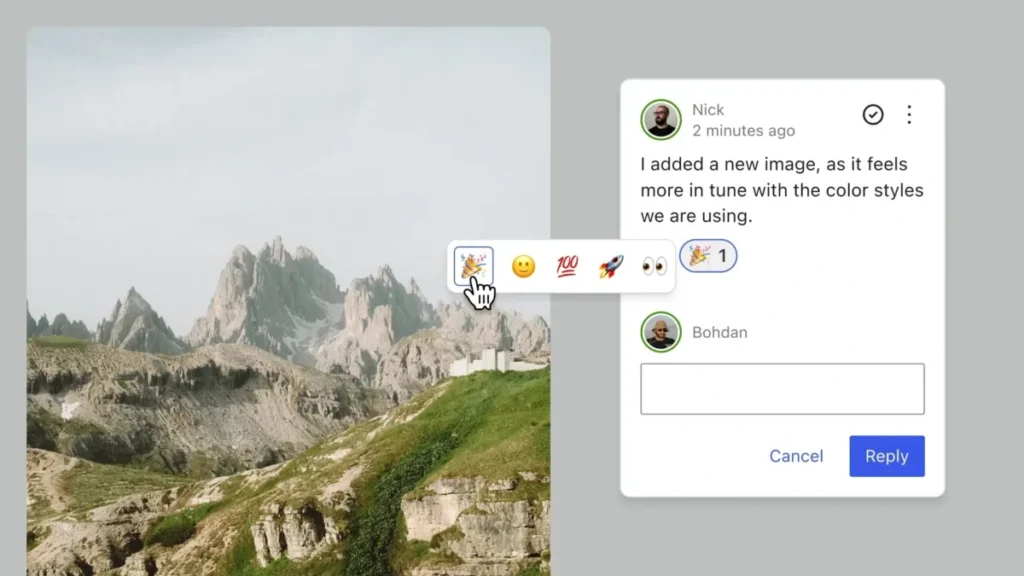
- Upgraded Editorial Notes: Collaboration receives a major polish. Notes have migrated from hidden panels directly onto the editor canvas margin. Users can now keep both the block settings sidebar and the active Notes thread open simultaneously. Support for emoji reactions, a dedicated toolbar access icon, and a minimized "zen" mode dramatically reduce visual clutter during multi-author reviews.
- Client-Side Media Processing: To alleviate server strain—particularly on budget hosting environments—WordPress 7.2 shifts heavy image lifting to the browser. Images can now be automatically resized, compressed, and converted to modern formats before the upload request hits the server, ensuring faster uploads and optimized resource usage.
- "On This Day" Dashboard Widget: A nostalgic and practical addition, this new dashboard widget surfaces content published on the exact calendar date in previous years, helping publishers easily rediscover, update, and reshare legacy archives.
- Admin Consistency & UX Refinements: Legacy Dashicons in the admin bar and sidebars have been systematically replaced with modern icons from the official WordPress icon library, unifying the visual language of the dashboard and the block editor. Additionally, clearer error messaging and refined interactions lower the friction of everyday publishing.
3. Under-the-Hood Performance and Administration
- Granular Asset Loading: Performance is a cornerstone of 7.2. Instead of combining stylesheets and scripts into monolithic files, WordPress now loads assets individually to maximize browser caching efficiency.
- Predictive Resource Prefetching: A new prefetching mechanism anticipates user navigation behavior—predicting which admin screen you are likely to open next (such as post lists or the editor)—and preloads the necessary resources in the background for near-instant page transitions.
4. Advanced Developer Tooling and APIs
For developers, builders, and agency partners, WordPress 7.2 delivers powerful new primitives to build secure, dynamic applications:
- The Secrets API: A standardized, highly secure framework designed to manage sensitive credentials like API keys and OAuth tokens. It features native encryption at rest, automated credential rotation, and support for pluggable storage providers.
- Random Content Redirects: Introduces native support for random content routing via a dedicated URL structure, encouraging serendipitous content discovery.
- Abilities and Interactivity APIs: The Abilities API has been expanded with sophisticated data querying functions tailored for automation and AI-driven integrations. Meanwhile, the Interactivity API gains advanced capabilities for rendering trusted HTML and managing reactive front-end navigation loops.
- HTML API & Markup Robustness: Continued refinements to the HTML API ensure bulletproof, standards-compliant markup processing across complex custom block implementations.
Official Responses and Perspectives
The release of Beta 1 has drawn enthusiastic responses from core maintainers and contributors who have spent the past several months coordinating the feature pipeline.

Leading figures in the contributor community have emphasized that the success of WordPress 7.2 hinges on widespread community testing. Core team members note that the integration of features like the DataForm-powered inspector and the Secrets API represent years of architectural planning coming to fruition. By shifting complex tasks—such as media compression—to the client side and modernizing how the administrative backend loads assets, the project is proactively addressing the performance and security needs of modern enterprise web development.
Furthermore, the integration of long-standing Gutenberg experimental features into core ensures that millions of users will immediately benefit from a mature, battle-tested editing environment without relying exclusively on plugin-based bleeding-edge updates.
Implications for the WordPress Ecosystem
The arrival of WordPress 7.2 Beta 1 carries significant implications for the broader web development and publishing landscape:

- For Content Creators and Marketers: The expansion of responsive design controls, native text shadow support, and streamlined inline collaboration tools reduces the reliance on third-party page builders. Publishing teams can achieve complex, highly customized visual layouts out of the box.
- For Agency Owners and Developers: The introduction of the Secrets API marks a watershed moment for plugin security, giving developers a native standard for handling sensitive data. Combined with the performance gains from granular asset loading and predictive prefetching, client sites running WordPress 7.2 will experience noticeable speed improvements.
- For the Open-Source Community: The transition into beta signals the home stretch of the 2026 release calendar. As the community stress-tests the software over the coming weeks, developer feedback will dictate the final polish applied ahead of the December 8 general release.
As development continues at a rapid pace, all community members are invited to download the beta, test their favorite plugins and themes, and participate in shaping the next evolution of the world’s most popular content management system.
(With acknowledgments to core reviewers @audrasjb, @annezazu, @adamsilverstein, @westonruter, @markoserb, @im3dabasia1, @jorbin, and @noruzzaman for their meticulous review and preparation of the release materials.)