The Mobile Frontier: Analyzing the Global Launch of the Oppo Find X10 and the Apple iPhone Duo
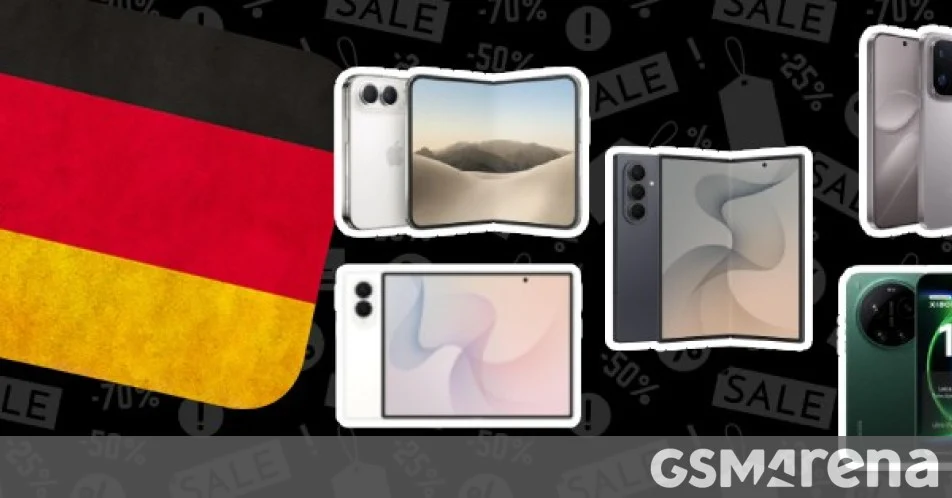
The mobile landscape has shifted dramatically this week, marked by two monumental hardware releases that represent the competing philosophies of the industry’s top manufacturers. As the Oppo Find X10 series makes its highly anticipated global debut, Apple has simultaneously pushed its long-rumored foldable, the iPhone Duo, into the shipping phase. These launches occur against a backdrop of aggressive discounting and intense competition from legacy players like Samsung and value-focused disruptors like the Poco F9 Ultra. This report synthesizes the technical specifications, market strategies, and consumer implications of these flagship arrivals.
Main Facts: The New Contenders
The headline of the week is undoubtedly the arrival of the Oppo Find X10 Pro Max. Positioned by reviewers as "an Ultra in all but name," the device sets a new standard for high-end hardware. Its triple 200MP camera array is a technical marvel, paired with an industry-leading battery capacity and a high-performance chipset that rivals the best in the business. While the device commands a premium, Amazon has sweetened the deal with a €100 discount and a choice of one of three high-value freebies: the Oppo Pad 5 (Matte Display), the Oppo Watch X3, or the specialized Hasselblad Teleconverter Kit.
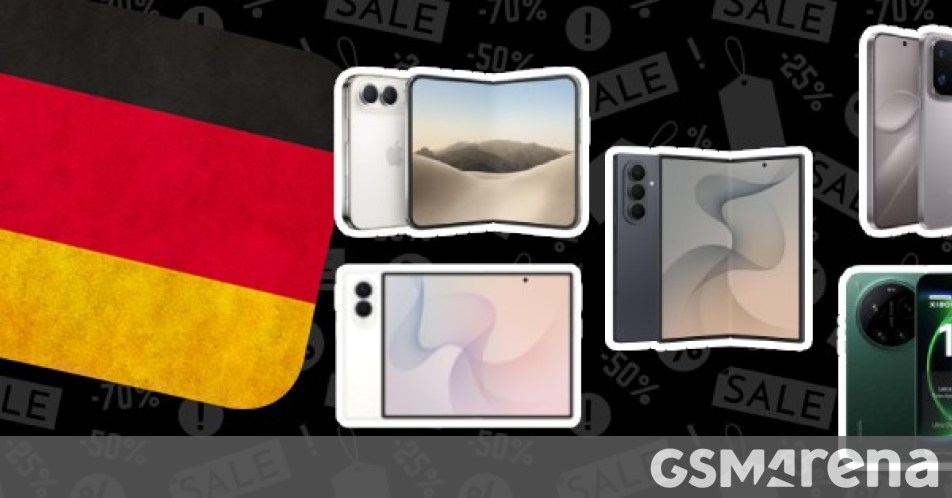
Simultaneously, the Apple iPhone Duo—the company’s inaugural foray into the foldable category—has begun reaching early adopters. With a starting price of €2,300 for the 256GB model, rising to a staggering €3,800 for the 2TB configuration, Apple is clearly targeting the luxury segment. This puts it in direct competition with the established Samsung Galaxy Z Fold8 series, which currently sees aggressive discounting that highlights a massive €900 price gap between the two foldable titans.
Chronology of the Launch Week
The week commenced with the global rollout of the Oppo Find X10 series, immediately followed by the commencement of shipping for the iPhone Duo.

- Day 1-2: Oppo’s global event confirmed that both the Pro Max and the vanilla Find X10 would receive immediate promotional support. Consumers were presented with the choice of accessory bundles, signaling a strategy to ecosystem-lock new users.
- Day 3: Apple initiated the shipping phase for the iPhone Duo. Initial market reaction focused on the device’s pricing strategy, which sits significantly above the latest iPhone 18 Pro Max and 18 Pro models.
- Day 4-5: The secondary market and retail platforms responded. Xiaomi’s 17 Ultra and the Poco F9 Ultra saw price adjustments, attempting to undercut the premium launches with superior price-to-performance ratios.
- Day 6-7: Retailers like Amazon adjusted their inventory levels for the Samsung Galaxy Z Fold8 and Z Fold8 Ultra to counter the Apple and Oppo hype, offering deep discounts of up to 30% to maintain market share.
Supporting Data and Technical Comparison
To understand the positioning of these devices, we must look at the technical trade-offs presented by each manufacturer.
The Oppo Ecosystem: Pro Max vs. Vanilla
The Oppo Find X10 Pro Max features a 6.78-inch display and the potent Dimensity 9600 Pro chipset. In contrast, the vanilla Find X10 utilizes the Dimensity 9600M and features a slightly smaller 6.59-inch screen. Crucially, the European market receives a 7,150mAh battery, a reduction from the 8,000mAh units found in other regions. The camera hardware remains the differentiator: the Pro Max boasts a 1/1.3-inch main sensor and a 200MP ultra-wide, while the vanilla model opts for a smaller 1/1.4-inch sensor and a 50MP ultra-wide.

The Foldable Wars: Apple vs. Samsung
The iPhone Duo enters a market dominated by the Samsung Galaxy Z Fold8. The disparity in physical engineering is notable:
- Dimensions: The Galaxy Z Fold8 is significantly thinner (9.7mm) and lighter (201g) than the iPhone Duo (11.3mm/254g).
- Displays: Both devices utilize 7.6-inch inner panels, but the Samsung Galaxy Z Fold8 Ultra differentiates itself with a massive 8.0-inch inner display and a unique 200MP main camera sensor.
- Pricing: The Samsung Z Fold8, currently priced at €1,400, represents a significant saving over the €2,300 entry point of the iPhone Duo.
The Performance Tier: Qualcomm vs. MediaTek
While the Dimensity 9600 Pro in the Oppo Find X10 series trades blows with the Snapdragon 8 Elite Gen 5 found in the Xiaomi 17 Ultra and Samsung Z Fold8, the market is already looking ahead. China has seen the introduction of the Snapdragon 8 Elite Extreme Gen 6, signaling that the current "top" chips will be superseded in the coming months. For budget-conscious power users, the Poco F9 Ultra remains a compelling choice, offering the Elite Gen 5 chipset and a massive 8,050mAh battery.

Official Responses and Strategic Implications
Industry analysts suggest that these launches indicate a divergence in consumer strategy. Apple’s high-price, high-margin approach for the iPhone Duo suggests a "halo product" strategy, intended to cement the brand’s status at the top of the luxury hierarchy. Conversely, Oppo’s bundled promotion strategy indicates an effort to capture market share by enticing users to build an entire Oppo ecosystem through high-value incentives like the Hasselblad Teleconverter Kit.
Samsung’s response—heavy discounting on the Z Fold8 series—is a classic defensive play. By making their foldable technology more accessible, they are effectively creating a barrier to entry for Apple’s new device. The supply chain issues noted with the Z Fold8 Ultra (shipping dates extending into January) highlight the difficulty manufacturers face in balancing high-demand product launches with manufacturing constraints.

Future Implications for the Mobile Market
The current state of the market reveals several key trends that will define the next year of mobile technology:
- The "Ultra" Standard: The definition of an "Ultra" phone is shifting. It is no longer just about raw processing power, but about sensor size and telephoto capability. The Hasselblad kit for the Oppo Find X10 Pro Max demonstrates a move toward modular, professional-grade photography.
- Foldable Maturity: We have reached a point where the "foldable tax" is becoming more transparent. With Samsung pricing the Z Fold8 at €1,400, the industry is forcing Apple to justify the €900 premium for the iPhone Duo, which lacks the refined thinness and weight reduction found in its competitors.
- Chipset Saturation: The rapid turnover of chipsets (from Elite Gen 5 to Extreme Gen 6) creates a "planned obsolescence" cycle that consumers are becoming increasingly aware of. As flagship devices like the Poco F9 Ultra provide 90% of the performance at 60% of the cost, manufacturers of premium flagships must offer more than just raw speed to justify their existence.
- Regional Disparity: The difference in battery capacities between European and international units for the Find X10 series is a point of concern for tech enthusiasts, highlighting how regional supply chain and regulatory differences continue to affect user experience.
In conclusion, this week’s launches have provided a comprehensive snapshot of a maturing industry. While Apple attempts to redefine the luxury foldable segment, Oppo and Xiaomi are busy refining the "Ultra" experience, and Samsung is successfully leveraging its scale to maintain dominance in the foldable market. For the consumer, the wealth of choice and the competitive pricing environment make this an opportune time to upgrade, provided one can navigate the complex landscape of bundles, discounts, and regional hardware variations.