Patent War in the Wearables Space: Oura Escalates Legal Battle Against Ultrahuman
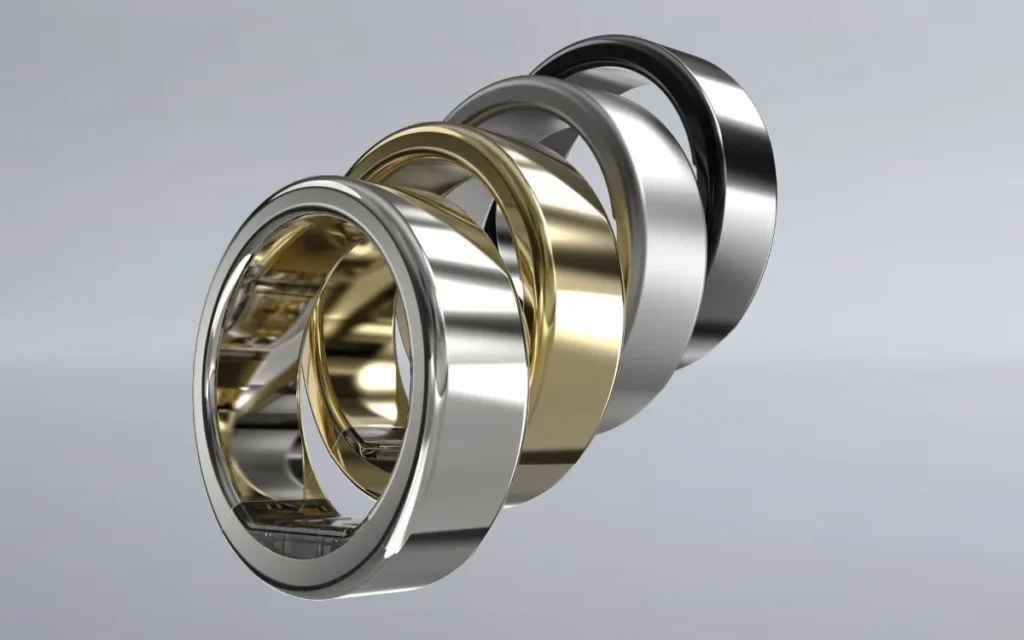
The burgeoning smart ring market, once a niche segment of the health-tech industry, has become a high-stakes battlefield. At the center of this legal storm are Finnish health-tech pioneer Oura and the rapidly expanding India-based contender, Ultrahuman. In a move that signals a hardening stance against competitors, Oura has filed a new federal lawsuit in Texas, targeting Ultrahuman’s latest flagship product, the Ring Pro. This legal offensive threatens to stifle Ultrahuman’s efforts to reclaim its foothold in the lucrative United States market, just months after its previous iteration, the Ring Air, was effectively sidelined by similar litigation.
The Chronology of Conflict: From Ring Air to Ring Pro
The history of the dispute between Oura and Ultrahuman is a case study in the litigious nature of hardware innovation. The conflict began in earnest last year when Oura initiated legal proceedings in the United States, alleging that Ultrahuman’s Ring Air infringed upon its protected intellectual property.
The initial legal skirmish was decisive. Following a court ruling that found in favor of Oura regarding specific patent violations, Ultrahuman was forced to withdraw the Ring Air from the US market. This was a significant blow to the company, which had been aggressively positioning itself as a premium alternative to the Oura Ring.
Undeterred, Ultrahuman pivoted. The company undertook a comprehensive engineering overhaul, purportedly addressing the design and technical deficiencies highlighted by the court. The result was the Ring Pro, a device boasting a 15-day battery life, upgraded sensors, and improved processing capabilities. Ultrahuman launched the Ring Pro in the US with the firm belief that its design was legally distinct from Oura’s portfolio. However, Oura’s response was swift and uncompromising. The Finnish company filed a fresh lawsuit, this time citing two specific patents—one related to structural design and the other to internal component architecture—effectively challenging the very legality of the Ring Pro’s market existence.
The Legal Arena: Why Texas Matters
The choice of venue for this legal battle is far from incidental. Oura has brought the suit to a federal court in Texas. The strategic selection of this jurisdiction is tied directly to Ultrahuman’s supply chain. In an effort to localize production and mitigate logistics issues, Ultrahuman partnered with Plano-based manufacturing contractor SVTronics to produce the Ring Pro specifically for the US market.
By naming SVTronics as a co-defendant, Oura has effectively broadened the scope of its legal challenge. This move places pressure not only on the brand itself but on the underlying manufacturing infrastructure that supports its American operations. For SVTronics, being drawn into a high-profile patent infringement case presents significant operational and financial risks, potentially chilling the collaborative environment that Ultrahuman hoped to build within the United States.
A Curious Timing: The "Two-Day" Patent Filing
Perhaps the most contentious aspect of this new litigation is the timing of the intellectual property claims. One of the two patents cited by Oura in its latest complaint was officially issued just 48 hours before the lawsuit was filed.
This specific detail has fueled speculation within the tech industry regarding the nature of Oura’s legal strategy. Critics and observers have questioned whether the patent was fast-tracked or specifically tailored to capture the nuances of the Ring Pro’s new design. Ultrahuman’s legal team has signaled that this timing will be a focal point of their defense, suggesting that Oura is engaging in "patent evergreening" or aggressive litigation tactics designed to stifle competition rather than protect long-standing innovation.
Official Responses and Counter-Arguments
Ultrahuman has maintained a defiant stance throughout the process. In official statements, the company has asserted that the Ring Pro is the result of a rigorous "clean-sheet" redesign process. According to the company, every element of the device that previously caused friction with Oura’s legal team has been rectified.

Moreover, Ultrahuman points to a significant regulatory milestone: the device has already cleared scrutiny from the US Customs and Border Protection (CBP). Ultrahuman argues that this clearance serves as external validation that the Ring Pro does not infringe upon the intellectual property of competitors. The company remains steadfast in its position that its technology is proprietary and distinct, representing a new generation of hardware rather than a derivation of existing patents.
Oura, conversely, remains tight-lipped regarding specific legal strategy but continues to emphasize the importance of protecting its substantial R&D investment. As the market leader, Oura has consistently argued that its patent portfolio is the bedrock of the smart ring category, and that unauthorized replication of its patented sensor arrays and form factors is an existential threat to its business model.
Market Implications: The Future of Smart Rings
The implications of this lawsuit extend far beyond the two parties involved. For consumers, the ongoing legal uncertainty creates a confusing landscape. While the Ring Pro remains available on shelves in the US for the time being—as there is currently no injunction forcing a recall—the threat of a sudden market exit hangs over the product like a sword of Damocles.
Impact on Competition
The broader wearable technology market is watching this case with intense interest. If Oura succeeds in blocking the Ring Pro, it will solidify its reputation as a "litigation-first" incumbent, potentially discouraging venture capital investment in smaller hardware startups attempting to enter the smart ring space. Conversely, if Ultrahuman prevails, it could set a precedent that allows for more robust competition in the sector, forcing industry leaders to compete on features and pricing rather than courtroom dominance.
The Innovation Bottleneck
Innovation in the smart ring space is currently defined by miniaturization—fitting complex EKG, SPO2, and temperature sensors into a frame no thicker than a wedding band. When the industry’s intellectual property is locked up in perpetual litigation, the pace of innovation risks stagnation. Engineers may become more focused on "designing around" patents to avoid lawsuits rather than pushing the boundaries of what these devices can actually do for human health.
The Global Perspective
It is important to note that this conflict is currently localized to the United States. In other global markets, both the Oura Ring and the Ultrahuman Ring Pro continue to be sold side-by-side. This divergence in market availability highlights the fragmented nature of global intellectual property enforcement. However, should the US courts rule definitively against Ultrahuman, it could trigger a domino effect, leading other regions to re-examine the validity of Ultrahuman’s patents in their own jurisdictions.
Conclusion: A Turning Point for the Industry
The legal standoff between Oura and Ultrahuman represents a critical juncture for the wearable health-tech industry. As devices become more integrated into our daily lives, the hardware and software powering them become increasingly valuable, making intellectual property the most prized asset of any company in the sector.
While Oura seeks to defend its dominance through the rigorous application of patent law, Ultrahuman is fighting for its right to compete on the global stage. As the case proceeds in the Texas federal court, the outcome will likely dictate the competitive landscape for years to come. Will the smart ring market remain a contested, multi-player environment, or will it be consolidated under the protection of the industry’s original pioneers?
For now, the Ring Pro remains available, and the legal battle continues. Stakeholders on both sides—investors, engineers, and, most importantly, the end-users—are left waiting to see if the ring that promised to monitor our health will itself become a casualty of the very market it seeks to improve. The court’s eventual ruling will not just be a judgment on a piece of jewelry-sized technology; it will be a verdict on the future of competition in the era of high-tech wearables.