How YouTube’s AI Algorithm Can Find Your Customers for Free: The Ultimate Organic Growth Blueprint
By Professional Editorial Desk
In the modern digital economy, the cost of customer acquisition through paid advertising has skyrocketed. Businesses across every industry are constantly looking for ways to stop paying heavy premiums for ad placement. But what if the ultimate distribution engine was already available, entirely free of charge?
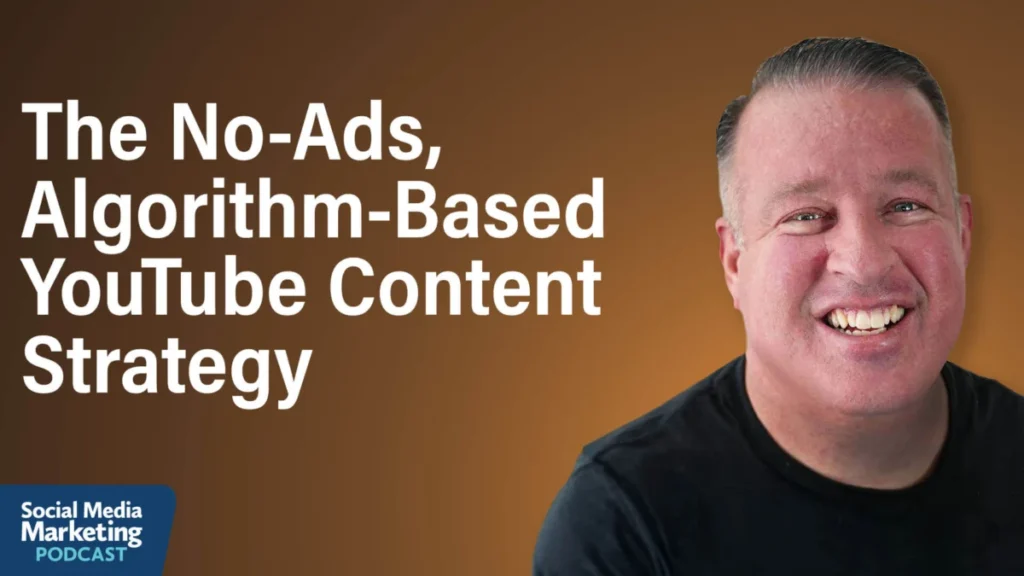
According to YouTube growth expert Derral Eves—co-creator of this strategy alongside Michael Stelzner—the answer lies in understanding how YouTube’s artificial intelligence has evolved. Rather than forcing a product onto a cold audience with expensive ads, businesses can leverage YouTube’s sophisticated recommendation engine to organically find and deliver ideal customers.
This comprehensive guide breaks down the core mechanics, chronological evolution, supporting case studies, and strategic implications of turning YouTube into a self-sustaining customer acquisition machine.
Main Facts: The Core Mechanics of YouTube’s AI Engine
To succeed on YouTube without spending a dollar on ad distribution, marketers must first unlearn conventional advertising mindsets.
- The Shift to AI Discovery: Since 2013, YouTube has transitioned from a simple view-counting platform to an AI-driven recommendation engine. Its singular objective is to identify what content individual viewers want to watch and keep them engaged on the platform longer.
- Viewer vs. Customer Focus: The most common mistake businesses make is targeting "customers" who are ready to buy. Instead, creators must target "viewers" by providing upfront, genuine value to people who do not yet know the brand.
- The Know, Like, and Trust Funnel: YouTube acts as the top of a marketing funnel. By consistently delivering valuable content, creators guide casual viewers through the psychological progression of knowing, liking, and trusting the brand until they naturally seek out offers.
- Dual Search Visibility: Properly optimized YouTube content ranks not only on YouTube itself but also within Google search engine results pages (SERPs), creating a powerful dual-visibility loop.
Chronology: How the Paradigm of Video Marketing Evolved
Understanding how YouTube works requires looking back at how digital distribution has transformed over the past decade.
Phase 1: The Era of the Content Repository (Pre-2013)
In the early days of online video, businesses treated YouTube as a static storage locker for commercials, product demos, and corporate updates. Success was measured by sheer upload volume, and visibility relied heavily on direct links, social media shares, or direct search terms. There was no systemic mechanism helping small businesses find niche audiences organically.
Phase 2: The Rise of the AI Recommendation Engine (2013–Present)
YouTube fundamentally changed its core algorithm, pivoting entirely to machine learning and artificial intelligence. The platform stopped rewarding mere clicks and views, focusing instead on watch time, session duration, and user satisfaction signals.
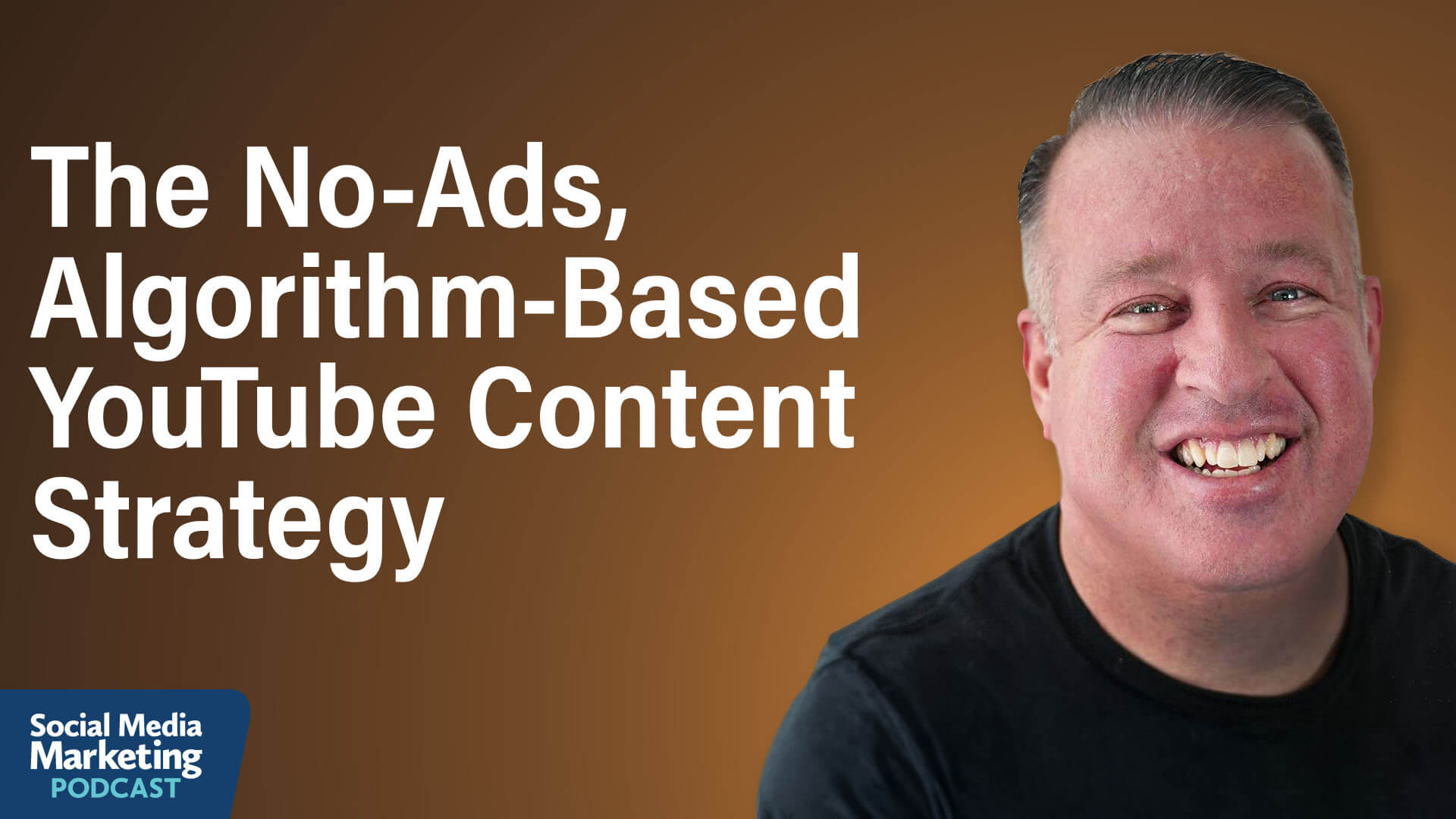
As Derral Eves notes, this shift created an unprecedented opportunity for marketers. Because the AI’s sole job is to match content with viewers who exhibit specific topical interests and watch histories, creators who align with this mandate receive free organic distribution on a global scale.
Phase 3: The Modern Multi-Tier Funnel Integration
Today, top-performing brands no longer view YouTube in isolation. They combine organic algorithmic distribution with traditional marketing layers—such as email drip campaigns, high-retention storytelling mechanisms, and community-building live streams—turning free views into multi-million-dollar revenue streams.
Supporting Data and Case Studies: Proof That the Strategy Works
Theory is valuable, but real-world execution provides the ultimate validation. Several notable case studies highlight the immense power of aligning with YouTube’s AI.
Case Study 1: The Office Furniture Empire ($20M+ Revenue, Zero Ad Spend)
One of Eves’ students operated an e-commerce business selling used office furniture sourced from corporate foreclosures. Rather than uploading dry product listings or running paid ads, he built a content strategy focused entirely on the viewer:
- Content Types: Review videos, comparison breakdowns, buying guides, and "S-tier to F-tier" ranking videos targeting gamers looking for affordable chairs.
- Distribution Results: Approximately 75% to 80% of his traffic came entirely from YouTube recommendations.
- Business Growth: As viewers watched multiple videos, trust compounded. When he eventually added an email list and hosted annual May sales events via live streams, his revenues surpassed $20 million—all with a distribution ad budget of zero.
Case Study 2: The Immunologist’s Medical Practice
An immunologist wanted to attract more patients to her private medical practice. Examining her audience psychographically revealed that her viewers skewed between 45 and 65-plus—an age group experiencing health wake-up calls, fluctuating energy levels, and blood pressure concerns.
- Targeted Content: A video titled "10 Foods to Naturally Lower Blood Pressure" amassed 1.7 million views. A strategic follow-up on common blood pressure measurement mistakes pulled in 865,000 views in under two weeks.
- Algorithmic Loop: YouTube’s AI recognized the topical synergy and recommended the second video directly to viewers of the first.
- Conversion: Trust was established organically, leading viewers to explore her line of supplements and book virtual consultations without a single hard sales pitch.
Case Study 3: Dry Creek Wrangler School
Run by a creator in his sixties sharing unedited cowboy wisdom beside a campfire, this channel grew to 1.6 million subscribers. By addressing universal human struggles like loneliness and personal accountability (such as his viral video "When You Just Ain’t Got It Together," which garnered 8.5 million views), he built an intensely loyal community. His physical cowboy school experiences subsequently sold out with a staggering three-and-a-half-year waitlist.
Official Recommendations: Derral Eves’ 6-Step YouTube Framework
To replicate these successes, Eves outlines six foundational steps every content creator and business must follow.
1. Target the Viewer, Not the Customer
Move away from rigid demographics and focus heavily on psychographics—the values, fears, needs, and life circumstances that drive human behavior. Utilize frameworks like Maslow’s Hierarchy of Needs to determine what emotional trigger makes a viewer click play. Furthermore, leverage the Outlier Research Method: search your niche for videos that gained massive views relative to their channel’s subscriber count, read the comment sections to identify unmet viewer needs, and use AI tools (like ChatGPT or Claude) to analyze audience sentiment gaps.

2. Use a Curiosity Gap to Earn the Click
To win the click, titles and thumbnails must formulate a powerful curiosity gap tailored to the viewer’s immediate situation. Once clicked, the opening 5 to 10 seconds of a long-form video (and milliseconds on Shorts) must instantly validate that promise. Pro Tip: Never use promotional ad copy frameworks in your opening seconds; switch your mindset entirely from "selling" to "helping."
3. Build Know, Like, and Trust Before Selling
Never gate your best content behind landing pages or paywalls. Delivering deep, unadulterated value early in a video creates a compounding effect: high watch time signals the algorithm to recommend the video further, deepening the viewer’s journey through the know, like, and trust cycle.
4. Find an Authentic Voice
Viewers reject stiff, overly polished marketing personas. Eves advises creators to imagine the camera as a friend sitting across from them at dinner. Whether you need to simulate a live audience to loosen up or unlearn corporate speak (as Pat Flynn did when moving into the Pokémon collecting space), your distinct human identity is your greatest moat against AI-generated content saturation.
5. Choose the Right Format and Mechanism
Analyze what your target audience is already consuming. Use structural devices—or "mechanisms"—to keep viewers hooked.
- Listicles: Perfect for beginners, providing a natural progression (e.g., "5 mistakes" or "10 foods").
- The ABC Storyline Structure: The A-storyline covers the core topic, the B-storyline covers the "why," and the C-storyline provides a unifying emotional thread.
- Device Considerations: Match your video length to the medium. Lean-back TV viewers comfortably watch hour-long deep dives, while mobile users prefer snappier pacing and Shorts for top-of-funnel discovery.
6. Use YouTube Analytics to Analyze and Adjust
Treat every upload as an empirical experiment. Follow a continuous cycle of plan, execute, analyze, and adjust. Monitor your audience retention graphs closely: if viewers drop off in the first ten seconds, your title/thumbnail mismatch or weak hook is to blame. Iterative improvement based on real-time data is what separates plateaued channels from breakout successes.
Implications: The Future of Organic Marketing
The broader implications of mastering YouTube’s AI algorithm extend far beyond video view counts. As paid advertising becomes more expensive, privacy regulations tighten, and consumers grow increasingly blind to traditional banner ads and sponsored posts, authenticity has become the ultimate currency.
Businesses that adopt an organic-first video strategy are no longer dependent on fluctuating ad auctions or platform algorithm whims. By treating YouTube as a top-of-funnel value engine rather than a digital billboard, companies can build resilient, self-funding customer acquisition ecosystems that compound in value year after year.
For marketers willing to shift their mindset from selling to helping, YouTube’s AI stands ready to act as a tireless, unpaid sales force—delivering the right customers directly to your doorstep.