Mastering the Cinematic Mindset: How Creators Are Using Seedance and Advanced Workflows to Produce Hollywood-Grade AI Video

The common critique that AI-generated video is inherently "sloppy" or cheap may soon be a relic of the past. According to industry experts, the visual limitations that critics point to are rarely the fault of the technology itself. Instead, they are the byproduct of imprecise communication between human creators and complex diffusion models.
As generative AI video tools evolve from novel curiosities into professional production suites, forward-thinking creators are adopting rigorous filmmaking mentalities to bridge the gap between simple text prompts and polished cinematic output. Spearheaded by tools like ByteDance’s powerful Seedance model, the landscape of digital video creation is shifting toward structured, intentional workflows that mirror traditional Hollywood pre-production.
Main Facts: The Evolution of AI Video Production
The modern AI video generation ecosystem has progressed far beyond the quick, disjointed five-second clips of previous years. Today, high-end models offer unprecedented adherence to user prompts and reference images, enabling creators to build coherent narratives with professional pacing.
- The Diffusion Model Reality: Unlike conversational Large Language Models (LLMs) such as ChatGPT or Claude—which process conversational intent—diffusion models (the backbone of tools like Midjourney and Seedance) operate by extracting visual keywords. They ignore filler words and scan strictly for parameters such as subject, environment, lighting, and composition.
- The Rise of Seedance: Developed by ByteDance (the parent company of TikTok), Seedance has emerged as a premier video generation model due to its near-flawless adherence to reference images and complex prompts. It is accessed via API integration on major creator aggregator platforms like Luma AI, Flora, and Krea.
- Time-Segmented Prompting: Advanced models like Seedance allow creators to script action within a single generation by specifying intervals (e.g., "Between 0 and 4 seconds, this happens; between 4 and 8 seconds, that happens"). This eliminates the need to constantly stitch together fragile micro-clips.
- The Cost-Quality Tradeoff: High-resolution native generation on advanced video models can be expensive—often ranging from $14 to $32 per clip. However, savvy creators utilize upscaling workarounds, rendering projects at lower resolutions (e.g., 480p) and using AI upscalers like Topaz Labs or Magnific to reach near-4K quality at a fraction of the cost.
Chronology: From Concept to Polished Masterpiece
Producing professional-grade AI video requires a disciplined, step-by-step methodology. Industry veterans like Ross Symons, co-founder and Chief Creative Officer of Zen Robot, advocate for a four-stage chronological workflow that begins long before a user ever opens an AI video generator.
Phase 1: Conceptualization and Narrative Foundation
Every successful video starts with a core concept—a simple idea or visual metaphor that the piece is trying to communicate. For example, a classic stop-motion concept of a piece of paper folding into an origami bull, interacting with a Red Bull can, and flying away can easily be translated into modern AI pipelines.
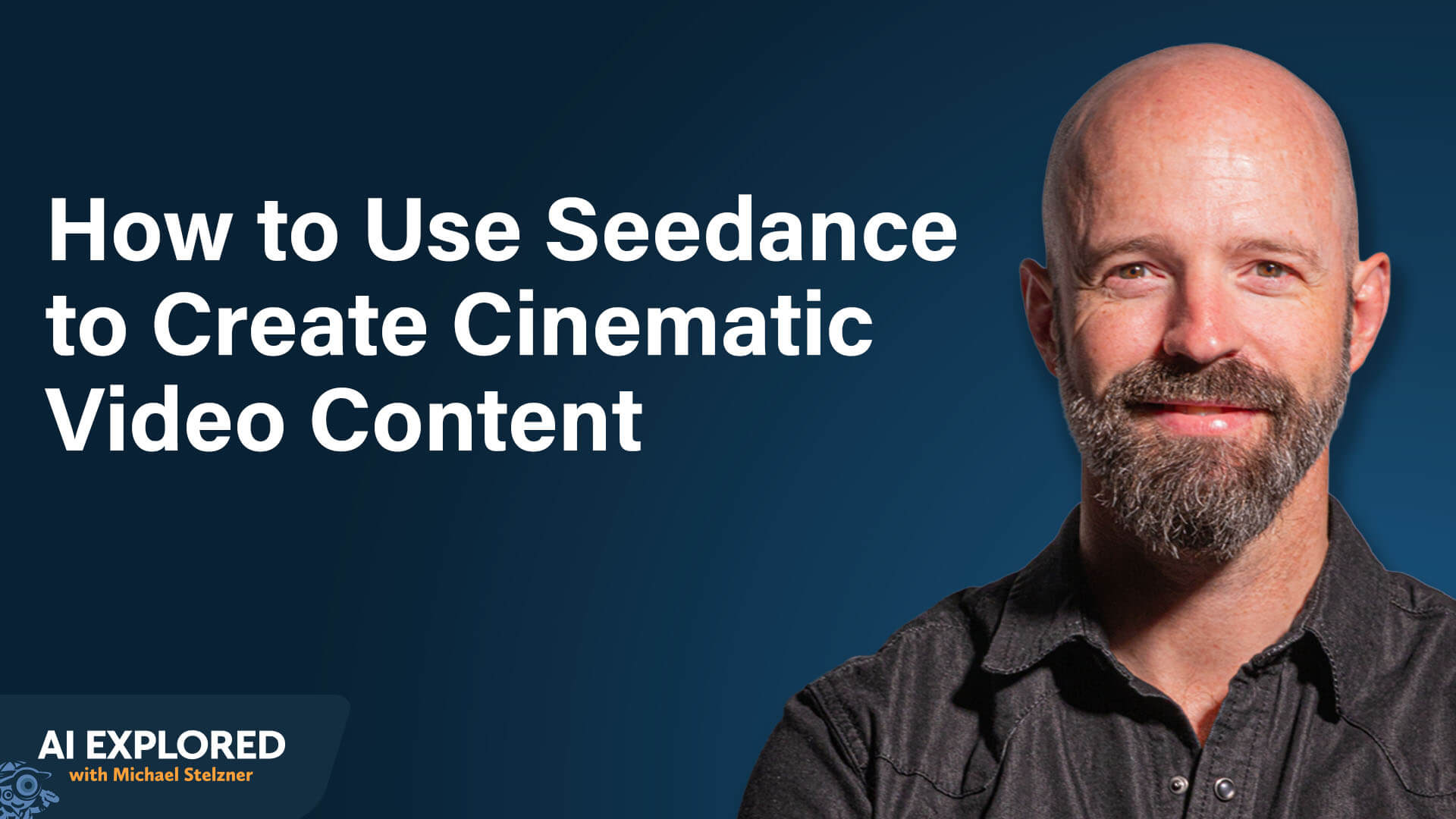
Creators use LLMs like ChatGPT during this phase not to build the final video, but to extrapolate narratives, suggest visual sequences, and propose thematic variations before touching a visual tool.
Phase 2: Building Key Visuals (The Subject, Environment, and Character Framework)
Once the story is locked down, creators establish the visual anchors of the scene using dedicated image generators like Midjourney:
- The Subject (Hero): The focal point of the narrative—whether it is a commercial product or a human character.
- The Environment: The setting where the story unfolds, defined by specific lighting, time of day, color temperature, and depth of field rather than vague adjectives.
- Secondary Elements: Supporting characters or objects (such as a panther walking into a static product shot) that introduce tension and movement.
To maintain character consistency across multiple generations, creators isolate subjects against plain backgrounds and supply the model with multiple reference photos taken from different angles in identical clothing.
Phase 3: Storyboarding and Keyframe Sequencing
Creators map out major narrative moments using a sequence of 6 to 12 keyframes. Rather than overwhelming a model with multi-action paragraphs, creators rely on structured approaches:
- Start Frame + End Frame + Prompt: Providing the model with an exact beginning and ending visual anchor while using text to describe the transition.
- Reference Over Keyframes: In many cases, using images as stylistic references rather than strict keyframes yields smoother, more natural camera movements and prevents awkward algorithmic stretching.
Phase 4: Generation via Seedance and Assembly
In the final phase, assets are fed into Seedance via platforms like Luma AI. Creators execute time-segmented prompting to choreograph multi-beat sequences, render the clips, pass them through AI upscalers, and assemble the final piece in traditional editing software.

Supporting Data and Technical Insights
Transitioning from casual AI tinkering to professional video production requires mastering specific technical nuances.
- Bridging LLMs and Diffusion Models: Because diffusion models do not process sentences conversationally, creators frequently use ChatGPT as a translation layer. By feeding a conversational idea into ChatGPT and asking it to rewrite the prompt in Midjourney’s structured, keyword-heavy syntax, users experience a dramatic spike in output quality.
- The Power of Cinematography Terminology: Flat, centered compositions are the hallmark of amateur AI video. Professionals elevate their work by explicitly commanding camera angles—such as low-angle shots to project power, close-ups for intensity, or wide shots for isolation. Creators frequently upload classic film stills into LLMs to deconstruct the exact lighting, bokeh, and contrast creating an emotional effect, then repurpose that terminology in their prompts.
- The Upscaling Workaround: While native 1080p generation on platforms like Seedance can cost upwards of $30 per clip, data shows that rendering a base clip at 480p (costing roughly $6) and applying a double-pass through specialized upscalers like Magnific or Topaz Labs yields near-4K results for a total investment under $10.
Official Perspectives and Industry Response
Industry leaders emphasize that the barrier to entry in video production has fundamentally shifted from technical execution to creative direction.
According to Ross Symons, the primary bottleneck in AI video is no longer the capability of the underlying neural networks, but the user’s grasp of visual storytelling principles. When creators dismiss AI video as chaotic or unusable, they are typically reacting to unstructured, unguided prompts.
Platform developers, meanwhile, are aggressively streamlining the integration between image generation, video modeling, and upscaling APIs. Aggregator environments like Luma AI, Krea, and Flora have become the operational hubs for professional studios, allowing creators to seamlessly mix models—leveraging Midjourney for art direction, Seedance for motion fidelity, and specialized models for character consistency.
Implications for Marketers, Studios, and Creators
The democratization of high-end visual effects carries profound implications across the media landscape:
- Democratization of Commercial Production: Small businesses and solo marketers can now produce commercial-grade visual metaphors, product advertisements, and conceptual explainers without massive production budgets, physical soundstages, or large crew teams.
- The Rise of the "AI Director": As tools automate the physical labor of rendering frames, the value of human creators shifts entirely toward taste, curation, art direction, and narrative pacing. The role of the director transforms into one of an architectural editor who guides, curates, and stitches algorithmic outputs into cohesive stories.
- Workflow Standardization: The wild-west era of typing a single sentence into a chat window and hoping for a usable video is rapidly closing. The industry is standardizing around multi-step pipelines—incorporating script development, storyboard keyframing, segmented time-prompting, and post-generation upscaling—marking the permanent integration of AI into professional post-production workflows.