Apple Unveils the Next-Generation iPad Mini: A Ultra-Slim Powerhouse Powered by the A20 Pro and OLED Technology
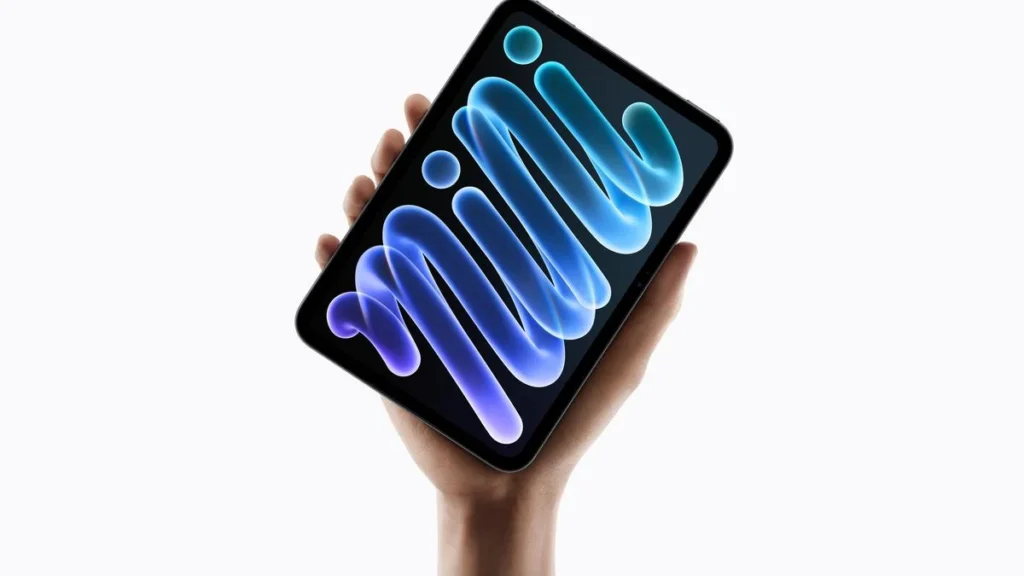
CUPERTINO, CALIFORNIA — In what tech analysts are already calling a defining moment for compact mobile computing, Apple has officially taken the wraps off the completely redesigned iPad mini. Promoted by the company as the "biggest update ever" in the product line’s history, the latest iteration melds radical architectural miniaturization with heavy-duty computational horsepower. Featuring an astonishingly thin 5.4mm chassis, a vibrant new OLED display, and the formidable A20 Pro chip, this launch signals Apple’s aggressive push to bring flagship-tier artificial intelligence and desktop-grade graphics to its smallest form factor.
The announcement has already sent ripples across the consumer electronics landscape, blending high enthusiasm from mobile professionals with intense scrutiny over a notable upward shift in the device’s retail pricing.
Main Facts
The latest iPad mini represents a total engineering overhaul, addressing nearly every performance and design metric of its predecessors. At the heart of the device’s physical transformation is its ultra-slim profile, measuring just 5.4 mm in width. This reduction in thickness does not, however, compromise the device’s structural integrity or visual output; instead, it paves the way for a more ergonomic, highly portable footprint.
Display and Visual Prowess
For the first time in the mini lineup, Apple has integrated an advanced 8.5-inch OLED display. The new screen boasts a peak brightness of up to 1,200 nits, ensuring exceptional outdoor legibility, alongside a steady 600 nits of full-screen brightness tailored for standard dynamic range (SDR) and high dynamic range (HDR) content. Visual depth is further elevated by an impressive 1-nit minimum brightness level—ideal for low-light reading—and a staggering 2,000,000:1 contrast ratio that delivers true blacks and vivid color reproduction.
Processing Power: The A20 Pro Chip
Under the hood, the new iPad mini runs on Apple’s cutting-edge A20 Pro processor. Built on an advanced manufacturing node, the chip features a robust 7-core GPU outfitted with dedicated Neural Accelerators in each GPU core. Apple has designed this architecture specifically to handle heavy graphical workloads and complex, on-device AI operations with unprecedented efficiency.
Camera Systems and Optics
Imaging capabilities have also received a modern refresh:
- Front Camera: A 12MP Center Stage ultra-wide camera is now cleverly positioned along the landscape edge, optimizing the user experience for video conferencing and landscape-oriented media consumption.
- Rear Camera: A 12MP Wide back camera supports Smart HDR 4, enabling superior dynamic range in challenging lighting conditions, and records crisp 4K video at up to 60 frames per second.
- Utility Features: The camera assembly is accompanied by an Adaptive True Tone flash, which significantly improves low-light photography and streamlines document scanning tasks on the go.
Software, Durability, and Connectivity
The device is natively integrated with the upcoming software ecosystem, offering users access to Siri AI, which rolls out in beta alongside iPadOS 27. For the first time, the compact form factor benefits from an IP67 water and dust-resistance rating, making it significantly more resilient against accidental spills, dust, and outdoor field environments.
Pricing and Configurations
The new iPad mini will be available in two classic finishes—Midnight and Starlight—across three storage configurations: 128GB, 256GB, and 512GB.
- Wi-Fi Models start at ₹82,900.
- Wi-Fi + Cellular Models start at ₹1,00,900.
- Educational Pricing begins at ₹76,900, offering a slight reprieve for students and academic institutions.
Chronology of the Release and Launch Timeline
Apple’s rollout strategy for the new iPad mini follows a precise, swift timeline designed to capture the lucrative end-of-year holiday shopping season:
- Late October 2026 (Announcement Phase): Apple officially debuts the device via a global press release and digital showcase, highlighting the A20 Pro chip, OLED upgrade, and structural redesign.
- October 28, 2026 (Pre-Order Window): Global pre-orders for both the new iPad mini and the companion Smart Folio accessories officially open across Apple’s online storefront and authorized retail partners.
- November 6, 2026 (Official Market Availability): Physical retail availability begins globally, with devices hitting shelves in Apple Stores and shipping out to early pre-order customers.
- Ongoing Rollout: The deployment of iPadOS 27 and the beta rollout of Siri AI run concurrently with the hardware launch, setting the stage for deep ecosystem integration over the subsequent quarters.
Supporting Data and Technical Specifications
To fully appreciate the engineering leap of the 2026 iPad mini, it is valuable to evaluate its core technical specifications side-by-side:

| Specification Category | Details & Metrics |
|---|---|
| Form Factor & Thickness | 5.4 mm width; lightweight, highly portable aluminum chassis |
| Display Technology | 8.5-inch OLED display; 2,000,000:1 contrast ratio |
| Brightness Levels | 1-nit minimum brightness; 600 nits full-screen (SDR/HDR); 1,200 nits peak brightness |
| Processor Architecture | Apple A20 Pro chip with 7-core GPU and dedicated Neural Accelerators per core |
| Camera Configuration | 12MP Center Stage front camera (landscape edge); 12MP Wide rear camera (Smart HDR 4, 4K video at 60 fps) |
| Durability Rating | IP67 water and dust resistance |
| Software Support | iPadOS 27 with native beta access to Siri AI |
| Storage Options | 128GB, 256GB, and 512GB configurations |
| Color Variants | Midnight, Starlight |
| Pricing (India) | Wi-Fi starting at ₹82,900; Wi-Fi + Cellular starting at ₹1,00,900; Education starting at ₹76,900 |
Official Responses and Executive Insights
The introduction of the device has elicited strong statements from Apple’s executive leadership regarding the strategic positioning of the mini tablet category.
Dave Pakula, Apple’s Vice President of Hardware Engineering, emphasized the unique demographic that relies on the smaller iPad form factor:
“iPad mini is beloved for its fantastic portability, performance, and display by a wide range of users, from creators and small business owners to doctors, field service workers, and gamers. With a remarkably thinner and lighter design, a stunning new OLED display, the incredibly powerful A20 Pro, and water and dust resistance, the new iPad mini is a huge leap forward for users who love having the full iPad experience in the palm of their hand.”
Industry analysts have similarly noted that by embedding the A20 Pro chip—traditionally reserved for top-tier portable hardware—Apple is deliberately eliminating the compromise that users historically faced when choosing a smaller tablet over its larger, pro-grade siblings.
Implications for the Market and Industry
The launch of this heavily upgraded iPad mini carries profound implications for both Apple’s ecosystem and the broader tablet market:
1. Redefining Compact Productivity
For years, compact tablets were viewed primarily as media consumption devices suitable for reading e-books, browsing the web, or watching videos. By integrating the A20 Pro chip with advanced Neural Accelerators and expanding support to Siri AI under iPadOS 27, Apple is transforming the mini into a genuine workstation. Professionals who require mobility—such as field engineers, medical practitioners, and mobile content creators—can now run heavy computational and graphical applications without being weighed down by a traditional laptop or a larger 11-inch to 13-inch tablet.
2. Pricing Dynamics and Accessibility
The significant price bump—with base models starting at ₹82,900—marks a clear philosophical shift. Apple is no longer positioning the iPad mini as an "entry-level" or budget-friendly alternative to the standard iPad. Instead, it is being marketed as a premium, niche device for power users who specifically demand a smaller footprint. While education pricing (starting at ₹76,900) helps soften the blow for students, general consumers will have to weigh the premium cost against the benefits of the OLED panel, IP67 durability, and extreme processing power.
3. Competitive Pressures on Android Manufacturers
Competitors in the Android ecosystem have largely scaled back their investments in compact, high-end tablets, often ceding the space to budget devices. Apple’s aggressive hardware refresh—specifically introducing industry-leading OLED panels and desktop-class silicon into a 5.4mm chassis—raises the bar significantly. Rival manufacturers will now face immense pressure to match these display standards and processing capabilities if they hope to capture the high-end portable tablet market.
4. Acceleration of On-Device AI Integration
As Apple continues to scale its AI initiatives through localized machine learning accelerators built directly into the silicon, devices like the new iPad mini act as vital nodes in the ecosystem. By ensuring that every GPU core contains dedicated neural processing architecture, Apple guarantees that future software updates, creative tools, and intelligent assistant workflows will run smoothly and securely on-device, setting a new benchmark for mobile computing efficiency.
As pre-orders open on October 28 ahead of the November 6 shipping date, the tech world will be watching closely to see how consumers respond to this premium pricing model for what is unquestionably the most advanced small-form-factor tablet ever built.