Beyond the Ads Manager: Mastering the Integration of Facebook Ads into Google BigQuery
In the modern digital marketing landscape, data is the currency of success. Yet, for many growth marketers and data analysts, the primary source of truth—Facebook Ads Manager—acts more like a walled garden than a flexible analytics hub. While Ads Manager provides granular performance metrics, it creates a significant bottleneck: the inability to easily cross-reference ad spend with downstream revenue, CRM activity, or product usage data.
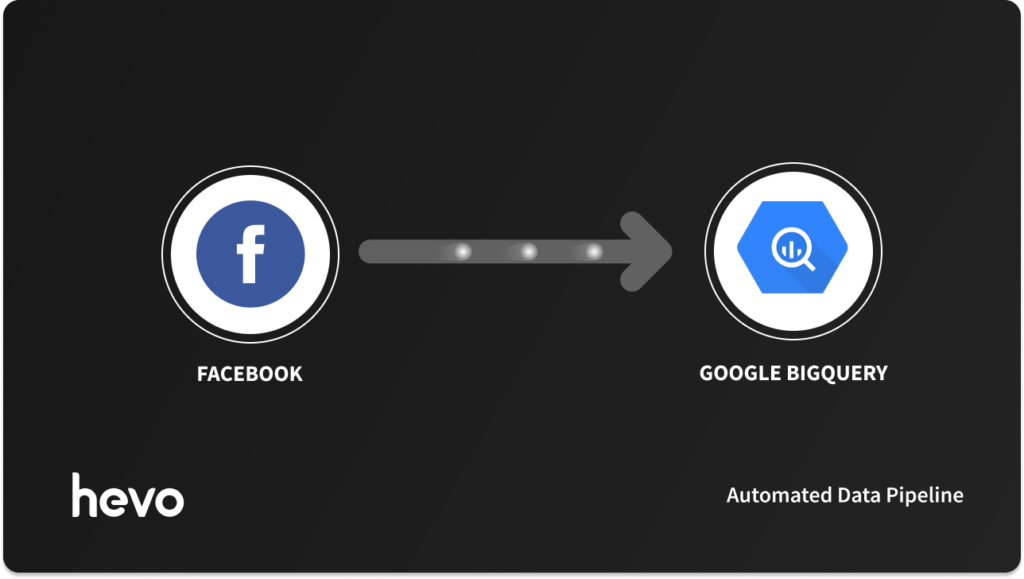
To overcome this, industry leaders are increasingly migrating their advertising data into Google BigQuery. By centralizing disparate data streams, organizations can transform static reports into dynamic, predictive intelligence engines. This guide explores the strategic necessity of this migration and provides a comprehensive roadmap for implementation.
The Strategic Imperative: Why BigQuery Matters
The limitation of native advertising platforms is that they exist in isolation. You can see how many clicks an ad generated, but you cannot see the lifetime value (LTV) of the customer that click produced without manually stitching data sets together.
Moving Facebook Ads data to BigQuery solves several critical challenges:
- Unified Data Architecture: Once your ad data resides alongside your CRM and revenue databases, you can calculate true Return on Ad Spend (ROAS) rather than relying on Facebook’s native, often optimistic, attribution.
- Scalability: As your ad account grows from managing a few hundred dollars to millions, the manual effort required to export CSVs becomes unsustainable. BigQuery handles massive datasets with near-instant query speeds.
- Advanced Analytics: BigQuery unlocks the ability to use SQL for complex cohort analysis, time-series forecasting, and machine learning (ML) integration, allowing for predictive modeling that native tools simply cannot replicate.
A Chronology of Integration: Choosing Your Path
Integrating Facebook Ads with BigQuery is not a one-size-fits-all endeavor. The method you choose should depend on your team’s technical bandwidth and the frequency with which you require data updates.
1. Automated ETL (The Modern Standard)
Platforms like Hevo Data have emerged as the preferred choice for teams that prioritize reliability and low maintenance. Automated Extract, Load, Transform (ETL) tools handle the heavy lifting—managing API rate limits, schema evolution, and data normalization.
- The Workflow: You connect your Facebook Ad account to the platform, select the destination (BigQuery), and the tool manages the continuous flow of data.
- Key Advantage: It mitigates the risk of "pipeline rot," where custom scripts break due to Facebook’s frequent API updates.
2. Custom API Development (The Engineering Route)
For organizations with dedicated data engineering resources, building a custom pipeline using the Facebook Marketing API and Python/Google Cloud Functions offers granular control.
- The Workflow: Engineers build a script that polls the Facebook Graph API, formats the JSON response, and pushes it into BigQuery via the BigQuery API or by staging files in Google Cloud Storage (GCS).
- Key Advantage: Total control over data transformations and real-time ingestion capabilities.
3. Manual Export/Import (The Legacy Approach)
Small teams with limited budgets often start by manually downloading reports from Ads Manager and uploading them to BigQuery.
- The Workflow: Extract CSV reports, clean them in a spreadsheet, and upload them to a BigQuery table.
- Key Advantage: Zero cost, no setup time.
- Key Drawback: High error risk, data latency, and zero scalability.
Technical Prerequisites for Successful Integration
Regardless of the method, both the source (Facebook) and the destination (BigQuery) require specific configurations to ensure data integrity.
Facebook Ads Side:
- App Development: You must create an app in the Meta for Developers portal.
- Access Tokens: Generate an Access Token with the correct permissions:
ads_read,ads_management, andread_insights. - Ad Account ID: Ensure your API calls are pointed at the correct account ID.
BigQuery Side:
- Project Setup: Create a Google Cloud Project and enable the BigQuery API.
- Dataset & Permissions: Define your dataset and ensure the service account used for the transfer has
BigQuery Data EditorandBigQuery Job Userroles.
Supporting Data: Why Automation Outperforms Manual Processes
In an era where "data freshness" is critical to competitive bidding, the latency of manual data entry is a significant liability.
| Feature | Manual Method | Custom Code | Hevo (Automated) |
|---|---|---|---|
| Setup Time | Immediate | Weeks | Minutes |
| Maintenance | Manual | High | None |
| Schema Changes | Manual fix | High effort | Automatic |
| Data Accuracy | High error risk | Variable | High |
| Scalability | Non-existent | High | High |
The data clearly favors automated pipelines for companies looking to scale. As Facebook continues to deprecate legacy API versions—an ongoing process through 2026—manual and poorly maintained custom scripts will inevitably fail, leading to gaps in reporting that could result in misguided budget allocation.
Implications of Centralized Data
Once your Facebook Ads data is successfully flowing into BigQuery, the implications for your business are profound.
1. Advanced Pattern Recognition
By utilizing SQL, analysts can perform cross-channel analysis that was previously impossible. For instance, you can correlate an uptick in Facebook brand-awareness campaigns with an increase in organic search traffic or direct sales, allowing for a holistic view of the customer journey.
2. ML-Driven Campaign Optimization
BigQuery’s built-in ML capabilities (BigQuery ML) allow data scientists to build predictive models directly within the warehouse. You can train models to predict which users are most likely to convert based on their engagement with your ads, allowing you to build custom audiences in Facebook with much higher precision.
3. Real-time Competitive Intelligence
By comparing your internal attribution data against publicly available industry benchmarks or aggregated competitive data, you can pivot your strategy in real-time. If you see a dip in performance compared to seasonal trends, you can reallocate budget to higher-performing channels before the week closes.
Addressing the Challenges: Common FAQs
How can I ensure my data is real-time?
To achieve near-real-time streaming, utilize Webhooks. By configuring an HTTPS endpoint, you can receive instant notifications from Facebook when an ad metric or campaign status changes, which can then trigger a push to your BigQuery table.
Is it difficult to handle schema changes?
Facebook frequently updates its API fields. If you are using custom code, you must manually update your schemas. Automated tools like Hevo, however, detect these changes in the source schema and automatically update the destination tables in BigQuery, ensuring zero downtime.
How do I prepare the data for the warehouse?
Ensure your data is cleaned during the "Transform" phase of your ETL process. BigQuery requires specific data types (STRING, INTEGER, FLOAT, TIMESTAMP). If your raw Facebook data is nested (common in JSON responses), ensure your pipeline "flattens" this data into a schema that is easily queryable.
Final Thoughts: The Path Forward
The transition from Ads Manager to BigQuery is more than a technical migration; it is a shift in organizational culture. It moves a company from "guessing" about marketing performance to "knowing" based on a single, consolidated source of truth.
While building a custom pipeline might seem like a badge of honor for engineering teams, the high cost of maintenance—compounded by the rapid pace of API evolution—often makes automated solutions like Hevo the most cost-effective and reliable choice for scaling businesses. By choosing a robust, automated pipeline, your team can stop worrying about the plumbing of data and start focusing on the art of marketing.
Ready to start? The most efficient path is to begin with a small-scale pilot, syncing one key ad account into a test BigQuery dataset. Once you see the power of SQL-based analysis on your ad performance, the value proposition for a full-scale migration will become immediately clear.