Beyond the Titanium Band: The Hidden Challenges of Smart Rings in India’s Booming Wellness Market
By Special Correspondent
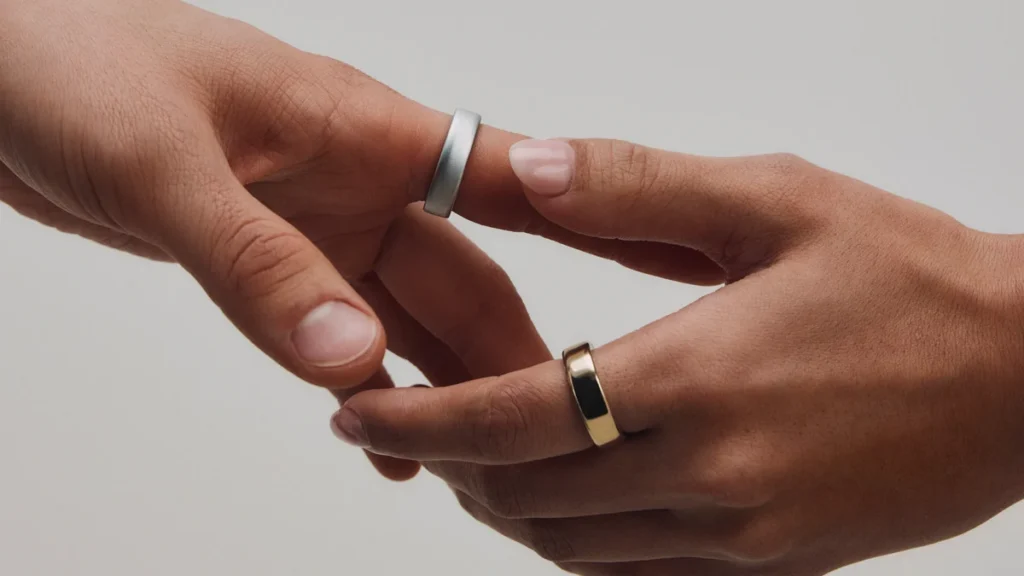
For millions seeking to monitor their physical well-being without the constant distraction of flashing screens and buzzing wrist notifications, smart rings have emerged as the ultimate minimalist fitness accessory. Offering a discreet, screen-free alternative to traditional smartwatches, these titanium bands quietly collect vast arrays of biometric data—from heart rate variability to intricate sleep stages—while blending seamlessly into everyday fashion.
However, as Finnish health-tech pioneer Oura officially expands its footprint into the Indian market, a deeper, more complex narrative is unfolding. Beyond the glossy marketing campaigns and sleek product launches lies a tangle of practical hurdles: from rapid lifestyle-induced physical transformations that render expensive hardware obsolete, to domestic friction in Indian kitchens, retail training deficits, and a glaring policy gap regarding post-weight-loss sizing replacements.
Main Facts: The Promise and Pitfalls of Oura in India
The appeal of the smart ring format is rooted in its subtlety. Unlike traditional smartwatches that demand attention and illuminate dinner tables with incoming alerts, smart rings operate in the background. They offer users the luxury of health tracking without the social announcement of perpetual optimization.
Yet, introducing these devices to the Indian market has brought unique structural challenges to light.

- The Launch Timing Disconnect: Finnish health-tech giant Oura officially launched the Oura Ring 4 in India on March 18, 2026, retailing from ₹28,900 alongside a monthly membership fee of ₹599. However, just over two months later on May 28, Oura announced the global rollout of the Ring 5, with international shipping commencing June 4. For Indian consumers who waited patiently for an official domestic launch, finding their newly purchased hardware instantly relegated to the previous generation left many feeling sidelined by corporate product sequencing.
- The Domestic Friction: Beyond software, physical reality sets in quickly. Daily Indian routines—such as eating with hands, kneading dough, and washing dishes—force users to constantly evaluate whether to risk exposing the polished titanium finish to harsh detergents and spices, or constantly find a safe storage spot during household chores.
- The Sizing Dilemma: Perhaps the most significant friction point involves physical transformation. For users undergoing major fitness journeys or medical interventions, rapid weight loss causes fingers to shrink. A ring that once fit snugly begins to slip and spin, turning an expensive health tracker into an oversized keepsake of a former self. Unlike competitors who offer proactive replacement tiers for fluctuating bodies, Oura’s current Indian retail policies leave users with few options outside of purchasing entirely new hardware.
Chronology: A Timeline of Rollouts and Updates
Understanding the current smart ring landscape requires mapping out the rapid succession of product launches, software enhancements, and strategic partnerships that have shaped the market through mid-2026.
- March 18, 2026: Oura officially enters the Indian retail market, bringing the Oura Ring 4 to domestic buyers starting at ₹28,900, complemented by a ₹599 monthly subscription model.
- May 28, 2026: Oura announces the global successor, the Ring 5, with shipping slated for June 4—triggering debates among recent Indian buyers regarding the timing of regional releases versus global product cycles.
- June 4, 2026: Oura rolls out its GLP-1 Insights software update for English-speaking users in India (including Ring 4 and Ring 5 devices), allowing users to log weight-loss medication doses, record side effects, and track physiological metrics alongside recovery data.
- June 23, 2026: Oura announces a high-profile strategic collaboration with LillyDirect, the U.S. healthcare platform operated by pharmaceutical giant Eli Lilly, offering eligible patients complimentary sizing kits to help manage body composition changes during clinical treatments.
Supporting Data: Expert Perspectives and Consumer Realities
While manufacturers market smart rings as seamless, set-and-forget lifestyle companions, fitness professionals and early adopters on the ground in India paint a more nuanced picture of utility versus data fatigue.
The Data Debate: Motivation vs. Exhaustion
Fitness experts caution against surrendering mental autonomy to morning biometric scores. Chennai-based fitness coach Raj Ganpath, author of Simple, Not Easy, ultimately abandoned his U.S.-imported Oura Ring in favor of a dedicated sports watch like Garmin.
"You need to know what data is important for you and what you need to track," Ganpath notes, pointing out the psychological toll of waking up feeling well-rested, only to read an unfavorable sleep report that artificially induces mental fatigue. "The number has acquired the authority to revise the experience."
This sentiment is echoed by Mumbai-based athlete and Easyhuman director Ritesh Shaiwal. While acknowledging the utility of tracking metrics like heart rate variability (HRV) and sleep quality, Shaiwal warns against dependency: "It is okay to use it, but don’t get dependent. There is a difference between being interested in your sleep and having it marked every morning."

Retail and Knowledge Gaps
For first-time buyers in major metropolitan hubs like Delhi and Mumbai, finding knowledgeable retail assistance remains an uphill battle. Visits to over a dozen electronics and lifestyle storefronts reveal that retail floor staff often struggle to confidently explain Oura’s value proposition or subscription ecosystem, frequently redirecting curious customers toward competing brands like Gabit or Ultrahuman. Without proper in-store guidance regarding post-purchase costs—such as ongoing monthly fees—consumers risk investing heavily in hardware without understanding the full commitment required.
Jewelry Integration
For engaged individuals or those wearing traditional bands, finger real estate requires careful negotiation. Delhi-based certified fitness professional Aarja Bedi wears her smart ring on her right hand’s corresponding finger, attempting to balance titanium bands alongside cultural or traditional jewelry.
"You don’t want to be figuring out finger real estate the week before a big occasion," Bedi observes, highlighting the aesthetic and ergonomic friction that arises when mixing modern health tech with heirloom jewelry.
Official Responses: Navigating Policy, Health, and Partnerships
As health tech converges with modern pharmacology—particularly through the explosive rise of GLP-1 weight-loss medications—manufacturers are racing to adapt their software ecosystems to capture a transforming consumer base.
The GLP-1 Software Integration
Oura’s introduction of GLP-1 Insights marks a significant shift in how fitness trackers bridge the gap between consumer wellness and clinical medicine. Designed to help users log medication schedules and track corresponding side effects against recovery data, the feature aims to streamline patient-physician interactions.

However, Oura maintains strict boundaries regarding its analytical scope. Company representatives emphasize that the software does not establish direct causal links between medication dosage and biological changes, nor does it issue medical advice or replace professional clinical supervision. Instead, its primary function is to equip patients with structured longitudinal data before walking into a doctor’s office.
The Sizing Policy Discrepancy
While Oura’s partnership with LillyDirect in the United States addresses initial sizing needs by providing complimentary sizing kits to eligible patients, a distinct policy gap remains for international markets like India.
Under Oura’s published warranty guidelines, standard replacement rings are issued in the original purchased size. While customer support accommodates manufacturing defects or initial sizing errors at checkout, there is no official, standardized Indian policy guaranteeing a discounted or free size replacement for customers whose fingers shrink due to successful weight loss or lifestyle changes.
In contrast, competing domestic offerings have begun addressing this pain point. Ultrahuman’s UltrahumanX two-year protection plan, available to eligible users, explicitly allows Ring AIR wearers to request a single size replacement due to body composition changes or weight loss, setting a more flexible benchmark for consumer-friendly after-sales support in the region.
Implications: What the Future Holds for Smart Rings in India
The evolution of the smart ring market in India carries profound implications for both consumers and manufacturers. For the consumer, investing in a biometric ring is no longer merely a lifestyle choice; it is an ongoing commitment that intersects with fashion, physical labor, medical treatments, and body weight fluctuations.

As the market matures past initial novelty, manufacturers must address several critical areas to sustain long-term growth:
- Localized After-Sales Flexibility: Brands operating in India must introduce flexible trade-in or size-replacement programs tailored to fitness enthusiasts undergoing dramatic physical transformations. Expecting users to repurchase hardware entirely because their health journey was successful creates a perverse disincentive.
- Retail Training and Transparency: Brick-and-mortar retail partnerships must evolve. Sales associates require comprehensive training to demystify monthly subscription models, explain software updates like GLP-1 insights, and guide consumers honestly through sizing logistics.
- Ergonomic and Material Resilience: As smart rings increasingly compete with traditional jewelry and face the rigors of Indian culinary and domestic environments, manufacturers must innovate scratch-resistant coatings and low-profile designs that harmonize—rather than clash—with cultural accessories.
Ultimately, the smart ring remains one of the most elegant form factors in modern consumer technology. For those seeking quiet, screen-free insights into their daily well-being, devices like the Oura Ring offer unmatched subtlety. Yet, if the industry hopes to cement its place in the everyday lives of Indian consumers, it must recognize that human bodies are dynamic, living things—and the hardware meant to track them must be just as adaptable.