Cinematic Ambition: Honor Prepares to Redefine Mobile Videography with the Magic9 Series
As the global smartphone market shifts its focus from mere megapixel counts to professional-grade computational photography and videography, Honor is positioning itself at the vanguard of this evolution. With the official unveiling of the highly anticipated Magic9 series set for September 28, the tech giant has spent the final days leading up to the launch providing a curated glimpse into the capabilities of its flagship, the Magic9 Pro Max. By blending advanced audio engineering with cinematic color science, Honor is making a bold claim: the future of filmmaking might just be in your pocket.
Main Facts: A New Era of Mobile Production
The upcoming Magic9 series represents a pivotal moment for Honor’s design philosophy. While the vanilla Magic9 has already generated buzz regarding its competitive pricing structure, the spotlight remains firmly fixed on the Pro Max variant. The core differentiator for this flagship is its focus on "cinematic" output, a term Honor is using to describe a holistic approach to sound and color.
Central to this is the device’s new "cinematic mic" system. Unlike traditional smartphone microphones that prioritize vocal clarity at the expense of ambient sound, Honor’s hardware is designed to treat audio as a dynamic landscape. According to testimonials from the company’s "imaging innovator," the renowned filmmaker Han Han, the microphone is capable of distinguishing between disparate sound sources—such as the high-frequency sizzle of a frying pan, the low-frequency rumble of a coffee machine, or the distant, soft rustle of fabric—with distinct, layered clarity.
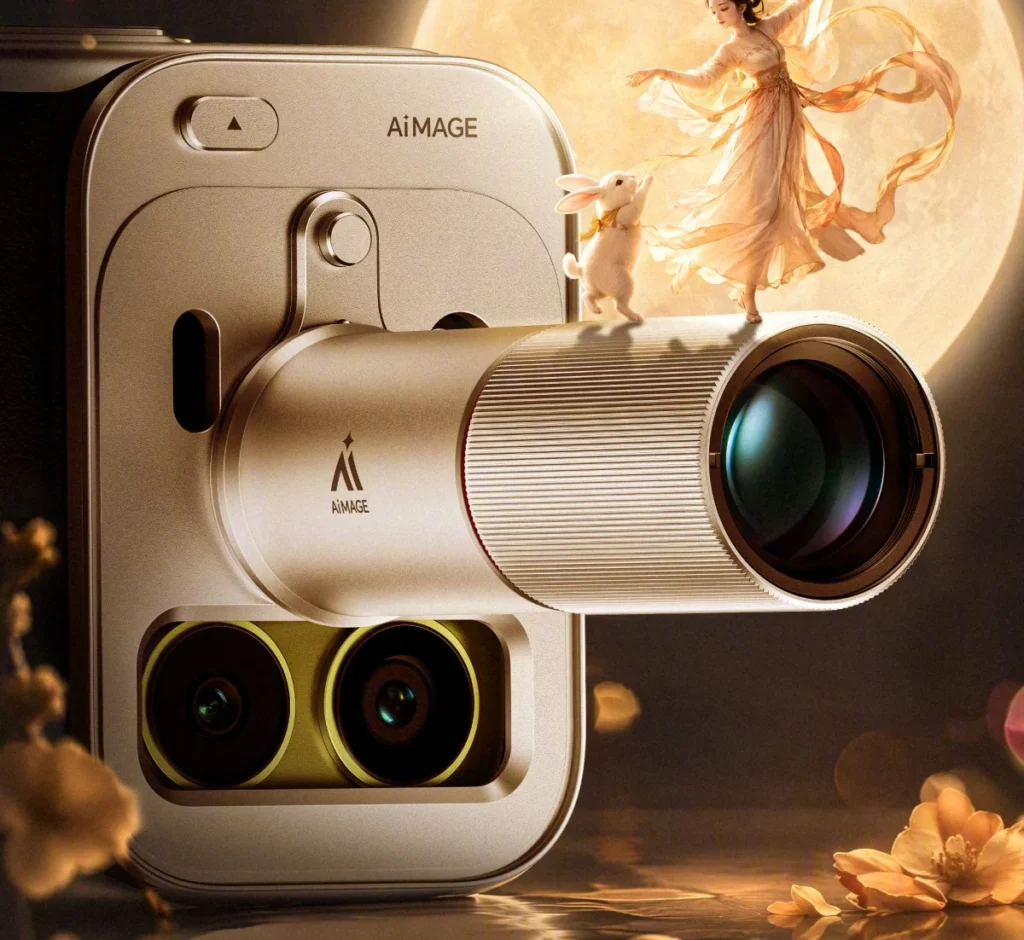
Furthermore, the device is set to feature a sophisticated teleconverter lens system. Official teaser images confirm that this hardware is designed with a thoughtful ergonomic layout; when the teleconverter is attached to the primary module, it leaves the secondary and tertiary camera sensors unobstructed. This allows for a seamless transition between lenses without the physical bulk of the attachment interfering with the phone’s full array of imaging capabilities.
Chronology: The Road to September 28
The lead-up to the Magic9 launch has been a masterclass in controlled information release. Honor’s strategy has involved a strategic drip-feed of features, ensuring that the device stays at the center of the industry conversation without revealing the full specifications until the eleventh hour.
- Early September: Initial rumors began to circulate regarding the inclusion of professional-grade sensors in the upcoming Magic series, with leaks pointing toward a significant leap in telephoto performance.
- Mid-September: Honor officially confirmed the September 28 launch date. This announcement was accompanied by a series of high-production teasers that emphasized the device’s "Pro" nature, specifically targeting the creative professional market.
- Late September (The "Imaging Innovator" Phase): Honor introduced Han Han to the campaign. His involvement signaled a pivot from consumer-grade smartphone marketing to a more artisanal, filmmaker-focused messaging strategy. It was during this phase that the specific details of the cinematic mic and the partnership with ARRI were brought to the forefront.
- Pre-Launch (Current): As we approach the final 48 hours, the focus has shifted to the physical integration of the teleconverter and the confirmation of the device’s pricing architecture, positioning the Pro Max as a premium competitor to established industry heavyweights.
Supporting Data: The Convergence of Hardware and Software
The technical specifications of the Magic9 Pro Max suggest that Honor is aiming to bridge the gap between amateur video capture and professional cinema production. The integration of ARRI color science is arguably the most significant software development in the device’s history.
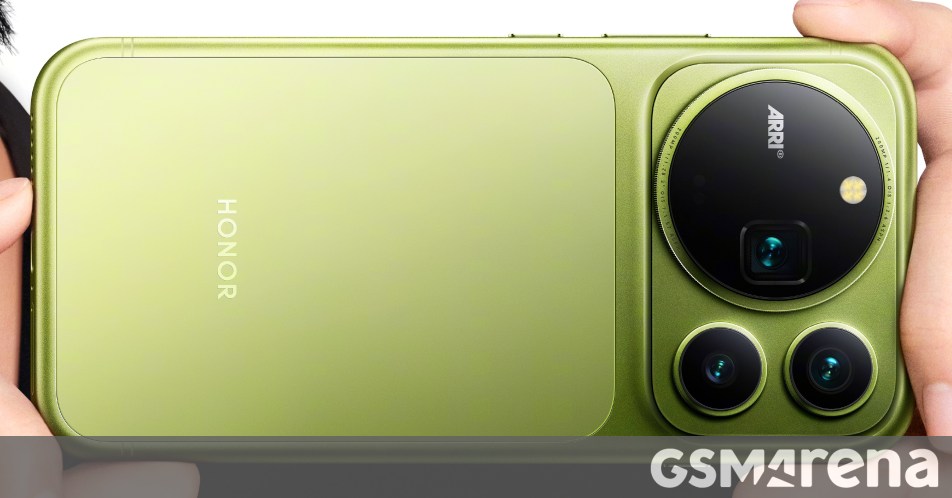
ARRI, a legendary German manufacturer of motion-picture film equipment, is synonymous with the "look" of modern cinema. By incorporating ARRI’s proprietary color science, Honor is moving beyond simple "filters." Instead, they are implementing a color processing pipeline that mimics the dynamic range and tonal depth typically associated with Arri Alexa cinema cameras. This implies that footage captured on the Magic9 Pro Max will require less post-processing, as the "look" is baked into the capture phase.
The hardware implementation is equally robust. The "cinematic mic" is not merely a software equalizer; it is an array-based system capable of spatially isolating audio. This spatial awareness is critical for the "cinematic" experience—if a subject is filming a distant scene, the mic is designed to prioritize the sound of that specific scene while suppressing wind noise or erratic background chatter. This level of audio fidelity is a rarity in the current smartphone market, where audio is often the neglected sibling of visual imaging.
Official Responses and Industry Context
The response from Honor’s leadership has been centered on the concept of "democratizing cinema." Company representatives have consistently stated that their goal is not just to build a better camera, but to provide a toolset that allows everyday users to capture life with the gravity and emotional resonance of a motion picture.
"Making everyday life feel like a movie" is the official mantra adopted by Honor’s communications team. This messaging directly counters the saturation of the smartphone market, where most manufacturers are caught in an "AI vs. Megapixel" arms race. Honor’s focus on the art of the image—color, sound, and lens utility—suggests a deeper understanding of what content creators actually desire: a device that requires less technical troubleshooting and provides more immediate, high-quality results.
Industry analysts have noted that this partnership with ARRI is a strategic masterstroke. While other brands have focused on partnerships with Leica or Zeiss, Honor’s alignment with ARRI—a brand arguably more focused on the moving image than the still image—reinforces their commitment to the burgeoning mobile video market, particularly for TikTok, YouTube, and independent documentary filmmakers.
Implications: Changing the Landscape of Mobile Videography
The launch of the Magic9 Pro Max has significant implications for both the smartphone industry and the broader creative ecosystem.
For the Smartphone Market
If the Magic9 Pro Max delivers on its promises, we are likely to see a shift in consumer expectations. For the past decade, smartphone marketing has been obsessed with "Night Mode" and "100x Zoom." Honor is essentially declaring that these features are now baseline, and that the new frontier is audio-visual narrative quality. If users respond favorably to the "cinematic" marketing, competitors will likely be forced to pivot their R&D budgets toward high-fidelity audio arrays and cinematic color pipelines.
For Content Creators
The barrier to entry for high-quality production is dropping rapidly. A creator who once needed a dedicated cinema camera, a shotgun microphone, and a colorist can now theoretically achieve a similar "aesthetic" using the Magic9 Pro Max. This could lead to a surge in high-quality, mobile-first independent film projects, where the phone acts as the primary production hub. The modular nature of the teleconverter also suggests a future where mobile photography is treated more like professional photography, with interchangeable optical attachments that are designed for specific creative tasks rather than one-size-fits-all zoom lenses.
The Economic Reality
While the vanilla Magic9 has been priced to capture the mid-to-high-end market, the Pro Max is clearly intended to serve as a status symbol and a professional tool. Its price point will likely reflect the inclusion of the ARRI license and the sophisticated microphone hardware. This creates a tiered ecosystem: a standard device for the general public and a "Pro" device that acts as a bridge to the professional creative world.
Conclusion
As the clock ticks down to the September 28 reveal, the narrative surrounding the Honor Magic9 Pro Max is clear. Honor is not just selling a smartphone; they are selling a perspective. By focusing on the nuances of sound and the prestige of professional color science, the company is attempting to elevate the humble smartphone from a device of convenience to a device of artistic expression.
Whether the Magic9 Pro Max can truly "make everyday life feel like a movie" remains to be seen in the hands of real-world users. However, in an industry that has become increasingly iterative, Honor’s willingness to focus on the sensory experience of videography—specifically the interaction between soundscapes and cinematic color—is a refreshing and ambitious move. Come Monday, the world will see if this "cinematic" promise is the next great leap in mobile technology or merely a masterful marketing flourish. Regardless of the outcome, the bar for the upcoming year of mobile innovation has officially been set.