Driving Growth: DRiV’s Strategic Partnership with MS Dhoni Signals a New Era for India’s Automotive Aftermarket
Date: July 02, 2026
Reporting Bureau: Zee Media Bureau
India’s automotive landscape is undergoing a structural transformation, shifting from a focus on pure vehicle sales to a robust, service-oriented ecosystem. As the nation’s roads become increasingly crowded with a diverse mix of legacy vehicles and modern electric mobility solutions, the automotive aftermarket sector has emerged as a cornerstone of the national economy. Currently valued at approximately USD 11.8 billion (over Rs 99,000 Crore), this sector is poised for exponential growth, a fact underscored by the recent high-profile collaboration between global automotive leader DRiV and Indian cricketing icon Mahendra Singh Dhoni.
The Strategic Alliance: Why MS Dhoni?
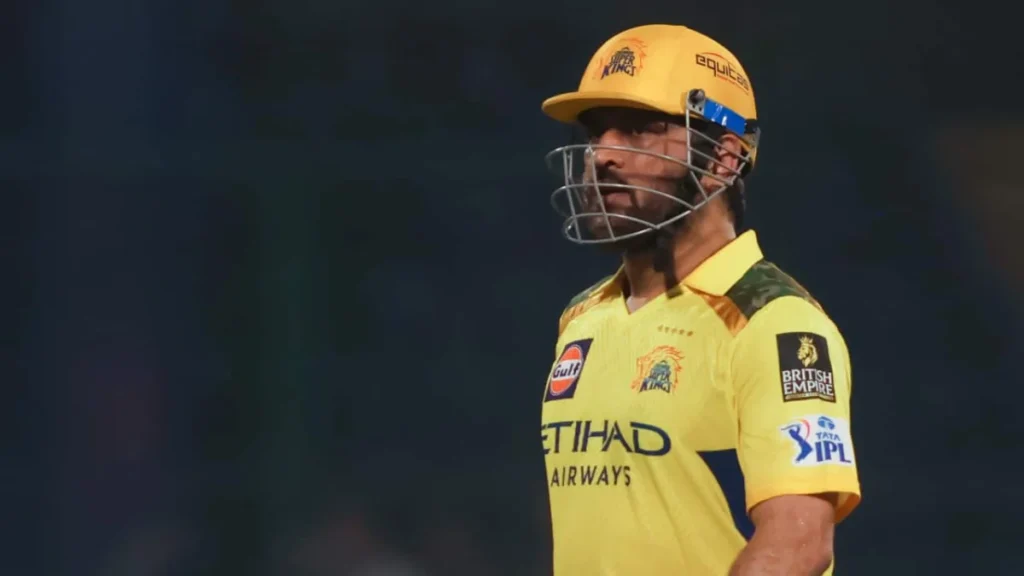
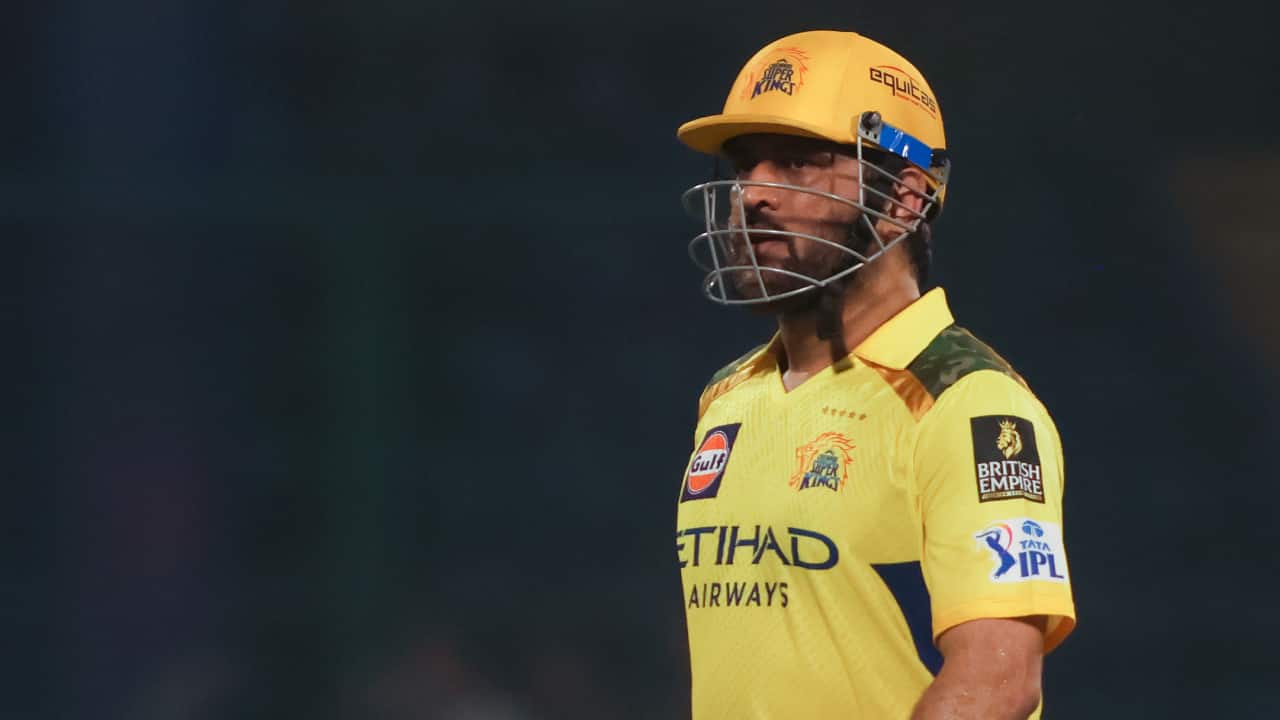
In a move that signals a massive expansion strategy, DRiV—a subsidiary of Tenneco and a leading player in the global aftermarket parts supply chain—has officially signed MS Dhoni as its brand ambassador. The partnership is not merely a celebrity endorsement; it is a calculated effort to build brand trust and resonance across the vast, fragmented Indian market.
For a sector that has historically been dominated by unorganized players, the entry of global giants backed by a figure synonymous with reliability and performance—Dhoni—is a game-changer. The former Indian cricket captain, known for his mechanical affinity and love for vintage motorcycles, brings an aura of authenticity to the brand. This partnership aims to bridge the gap between premium global automotive standards and the common Indian consumer’s search for quality, long-lasting vehicle components.
Chronology of Market Evolution
To understand the magnitude of this development, one must look at the timeline of the Indian automotive aftermarket:
- 2015–2018 (The Unorganized Era): The aftermarket was heavily dominated by local workshops and non-branded spare parts. Quality assurance was a major hurdle for vehicle owners, particularly those holding on to cars beyond their warranty periods.
- 2019–2021 (Digitization & Consolidation): The rise of e-commerce and automotive-focused startups began to standardize pricing and availability. Digital platforms brought transparency to the price of spare parts, forcing local players to improve their offerings.
- 2022–2024 (Regulatory Shifts): Stricter BS-VI emission norms and evolving safety standards necessitated a more sophisticated supply chain. Vehicle longevity increased, leading to higher demand for periodic maintenance components like suspension, braking systems, and exhaust parts.
- 2025–2026 (The Era of Brand Equity): The market is now shifting toward "Organized Aftermarket Solutions." Companies like DRiV are investing heavily in nationwide distribution networks, and the signing of a national icon like MS Dhoni marks the beginning of a brand-led consolidation phase.
Supporting Data: The Anatomy of a USD 11.8 Billion Market
The current valuation of Rs 99,000 Crore is not an arbitrary figure. It is the result of several macroeconomic factors converging at once:
- Increased Vehicle Age: The average age of passenger vehicles in India has increased to over 7.5 years. As vehicles age, the demand for replacement parts—specifically shock absorbers, struts, and engine components—rises significantly.
- The "DIY" and "Premium Service" Trends: While the DIY (Do-It-Yourself) market remains niche in India, there is a massive shift toward "Do-It-For-Me" (DIFM) services. Consumers are increasingly willing to pay a premium for certified parts that offer longer warranties.
- Tier II and Tier III Penetration: Growth is no longer confined to metro cities. Improved road infrastructure has led to higher vehicle utilization in smaller towns, where the aftermarket demand is currently growing at a CAGR of 12%—outpacing the growth in major urban centers.
- Technological Integration: The integration of sensors and smart diagnostics in newer vehicles has necessitated specialized aftermarket training for mechanics, creating a demand for high-quality branded components that come with technical support documentation.
Official Perspectives: The DRiV Mandate
The leadership at DRiV has indicated that this partnership with Dhoni is designed to demystify the automotive parts industry. During the announcement, representatives highlighted that the average consumer is often overwhelmed by the lack of technical information when purchasing spare parts.
"Our goal is to bring the global expertise of DRiV to the doorstep of every Indian vehicle owner," stated a spokesperson for the company. "MS Dhoni embodies the spirit of reliability and high performance, which are the exact pillars our product line is built upon. We are not just selling parts; we are selling the assurance that your vehicle is as safe as it was on the day it rolled out of the showroom."
The strategy involves a two-pronged approach:
- Educational Outreach: Leveraging Dhoni’s persona to educate consumers about the dangers of counterfeit parts and the long-term benefits of using OEM-standard replacements.
- Distribution Expansion: Expanding the brand’s footprint into thousands of independent repair shops, ensuring that branded parts are as easily accessible as unbranded alternatives.
Implications for the Indian Automotive Ecosystem
The entry of high-profile global brands and the professionalization of the aftermarket have several far-reaching implications for the Indian economy and the average motorist:
1. Consumer Safety and Standardization
Counterfeit parts have long been a plague on Indian roads, often leading to mechanical failures that contribute to road accidents. By pushing for brand recognition, companies like DRiV are essentially creating a self-regulating standard where consumers demand verified products, effectively shrinking the market for low-quality, hazardous counterfeits.
2. Employment and Upskilling
As the aftermarket becomes more organized, there is a critical need for skilled labor. Large companies are now investing in "Mechanic Training Programs." These initiatives teach technicians how to handle advanced suspension systems and complex electronic components, effectively professionalizing the workforce and providing them with better wage prospects.
3. Economic Impact
With the sector valued at Rs 99,000 Crore, the aftermarket is a massive job creator. From manufacturing and logistics to last-mile retail and workshop service, the ecosystem employs millions. The consolidation of this sector into more formal channels will likely lead to better tax compliance and a more structured contribution to the national GDP.
4. Environmental Sustainability
Proper maintenance is a key pillar of environmental sustainability. A well-maintained vehicle is more fuel-efficient and emits fewer pollutants. By providing access to high-quality replacement parts, the aftermarket industry is inadvertently playing a role in India’s efforts to reduce its carbon footprint, as older vehicles can be kept running efficiently rather than needing to be scrapped prematurely.
The Road Ahead: What’s Next?
As we move into the second half of 2026, the focus for players like DRiV will be on integrating digital diagnostics with physical parts supply. Expect to see more "Smart Aftermarket" solutions where vehicle owners can receive alerts about part wear-and-tear via mobile applications, followed by seamless bookings for parts replacement at authorized or partner workshops.
The partnership with MS Dhoni is a bellwether for the industry. It signals that the Indian aftermarket is no longer a "back-alley" business. It is a high-stakes, consumer-facing industry that demands the same level of marketing, quality control, and brand loyalty as the vehicle manufacturing sector itself.
For the Indian consumer, this is a win-win. Increased competition and the entry of global players mean better quality parts, more transparent pricing, and, ultimately, safer vehicles on the road. As the industry continues to scale toward the next major valuation milestone, one thing is clear: the aftermarket has finally shifted into high gear.
Disclaimer: This article is based on recent market developments and press announcements. For detailed financial reports and investment inquiries, readers are encouraged to consult official corporate disclosures.