Empowering Tribal Communities: Punjab National Bank Unveils the ‘Tribal Plus’ Loan Scheme
By Reema Sharma
Business Correspondent
Updated: July 09, 2026
In a significant move aimed at fostering financial inclusion and economic self-reliance among indigenous populations, Punjab National Bank (PNB), one of India’s premier public sector lenders, has officially launched the "Tribal Plus" loan scheme. This specialized credit facility is strategically designed to provide substantial financial assistance to residents of tribal-dominated regions. By focusing on specific administrative zones, the bank aims to bridge the credit gap that has historically hindered the growth of small-scale entrepreneurs and professionals within these communities.
Main Facts: The Core of the Tribal Plus Scheme
The PNB Tribal Plus loan scheme is not merely a financial product; it is a targeted intervention aimed at economic upliftment. Under this initiative, eligible individuals can access credit facilities of up to ₹40 lakh. The primary objective is to cater to the diverse financial needs of salaried individuals, professionals, and small business owners residing within the bank’s designated tribal areas.
The scheme is currently being rolled out across two critical operational zones: Guwahati and Raipur. These regions have been selected due to their high concentration of tribal populations and the latent potential for economic development that remains untapped due to a lack of formal credit access.
Key features of the scheme include:
- Credit Limit: A ceiling of ₹40 lakh, providing enough capital for business expansion, professional equipment procurement, or personal financial management.
- Target Audience: The scheme specifically identifies salaried professionals, self-employed individuals, and business owners living within the defined tribal geography.
- Geographical Focus: Initial implementation is restricted to PNB’s Guwahati and Raipur zones, which serve as the hub for banking services in several Northeast and Central Indian states.
Chronology of Financial Inclusion Initiatives
The launch of the Tribal Plus scheme follows a long-standing commitment by PNB to align its banking operations with the broader goals of national development and social welfare.
- Pre-2024 Foundations: For years, PNB has focused on extending its branch network to "unbanked" or "under-banked" rural areas, particularly in the North-East and Central India. These earlier efforts laid the infrastructure necessary for a product as specialized as Tribal Plus.
- Early 2025 Market Research: Recognizing that generic loan products often failed to account for the unique socio-economic challenges of tribal regions, PNB began analyzing the credit behavior and specific needs of tribal households in the Raipur and Guwahati clusters.
- Mid-2026 Policy Formulation: By early 2026, the bank finalized the eligibility criteria and the risk assessment framework tailored for these regions, ensuring that the loan scheme remained sustainable for the bank while being accessible to the target demographic.
- July 9, 2026: Official Launch: The scheme was formally unveiled, marking a new chapter in PNB’s retail lending portfolio.
Supporting Data: Why Targeted Credit Matters
The decision to limit the initial launch to the Guwahati and Raipur zones is rooted in robust data analysis. Both regions contain high densities of Scheduled Tribes (ST) populations, where access to institutional credit has traditionally been lower than the national average.
According to recent economic indicators from the regions:
- Credit-to-Deposit Ratio (CDR): In many of the tribal blocks covered by the Guwahati and Raipur zones, the CDR has historically lagged behind metropolitan centers. By introducing a product that specifically targets these areas, PNB intends to improve this ratio, effectively circulating capital within the local economy.
- Professional Demographics: There has been a rising number of qualified tribal professionals—doctors, engineers, and teachers—as well as small-scale traders who possess the skills to scale their businesses but lack the collateral or the credit history required by traditional, stringent lending norms.
- The ₹40 Lakh Threshold: The choice of a ₹40 lakh limit is strategic. It is high enough to facilitate the establishment of small manufacturing units, the modernization of agriculture-linked businesses, or the setting up of professional clinics, yet it remains within the scope of retail-asset monitoring.
Official Perspectives and Strategic Intent
Speaking on the launch, representatives from Punjab National Bank emphasized that "Tribal Plus" is a manifestation of the bank’s "banking for all" philosophy. The leadership noted that economic empowerment is the most effective tool for social integration.
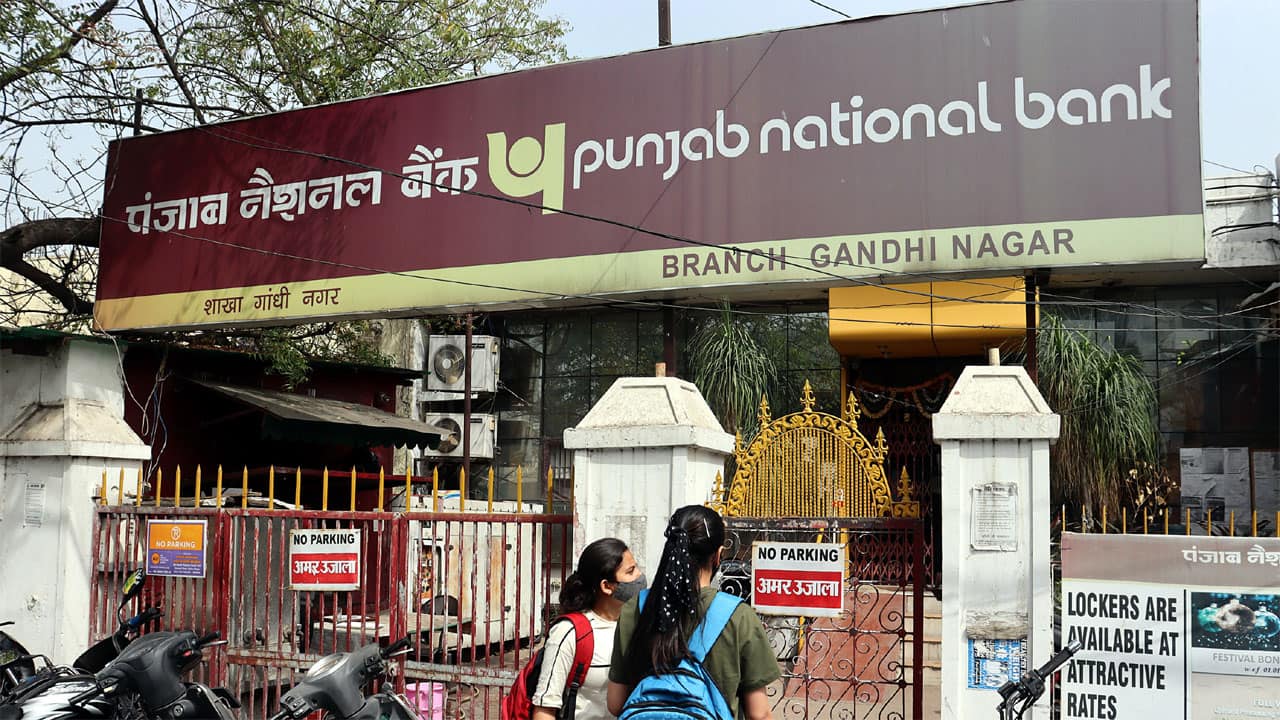
"The Tribal Plus scheme is designed to dismantle the barriers that have historically kept our brothers and sisters in tribal regions away from formal banking credit," a senior bank official stated. "By leveraging our existing footprint in Guwahati and Raipur, we are ensuring that the documentation process is simplified, and the approval time is minimized, allowing the capital to reach those who need it most, when they need it most."
The bank’s approach also involves local awareness campaigns. Recognizing that awareness is often a hurdle in remote areas, PNB has mobilized its regional managers to work closely with local community leaders to explain the nuances of the loan, the repayment structure, and the benefits of maintaining a healthy credit score.
Implications for the Local Economy
The introduction of the Tribal Plus scheme is expected to have a cascading effect on the economic landscape of the covered regions.
1. Stimulation of Local Entrepreneurship
With access to credit up to ₹40 lakh, small business owners in tribal areas can move beyond subsistence-level operations. Whether it is in the handloom sector of the Northeast or the agro-processing clusters of Chhattisgarh, this capital injection will likely lead to increased output, higher employment generation within the community, and better market linkages.
2. Reduction of Informal Debt Dependency
One of the most significant implications of this scheme is the potential to reduce the reliance on informal money lenders. Historically, tribal populations have often been forced to borrow at usurious interest rates from non-institutional sources due to the lack of bank branches or the inability to meet rigid documentation standards. By providing a transparent, regulated, and competitively priced banking product, PNB is effectively shielding these populations from debt traps.
3. Promoting Financial Literacy
The application process for the Tribal Plus loan mandates a level of financial documentation that encourages borrowers to formalize their business activities. This process acts as a bridge, moving informal enterprises into the formal economy, which in turn allows these businesses to access further government subsidies, insurance products, and future credit expansions.
4. Regional Economic Parity
By focusing on zones that have been historically overlooked, PNB is contributing to the government’s vision of "Sabka Saath, Sabka Vikas" (Together with all, Development for all). The success of this scheme in Guwahati and Raipur could serve as a template for other public sector banks to adopt similar models, potentially leading to a broader nationwide rollout.
Conclusion: A Step Toward Inclusive Growth
The PNB Tribal Plus loan scheme represents a sophisticated approach to banking that recognizes the unique cultural and economic context of its clients. By moving away from a "one-size-fits-all" model, PNB is demonstrating how public sector banks can act as catalysts for grassroots change.
As the scheme begins its implementation phase in Guwahati and Raipur, the financial community will be watching closely. If the uptake is as high as projected, it will not only solidify PNB’s position as a market leader in inclusive banking but will also serve as a vital case study on how strategic credit intervention can transform the economic trajectory of India’s tribal communities. The success of the program will ultimately be measured not just in the volume of loans disbursed, but in the sustained growth of the enterprises and the improved financial stability of the families it aims to support.