Google’s ‘The Non-Canonical Cabinet’ Series Dives Deep into Technical SEO Edge Cases, Emojis in URLs, and Keyword Relevance
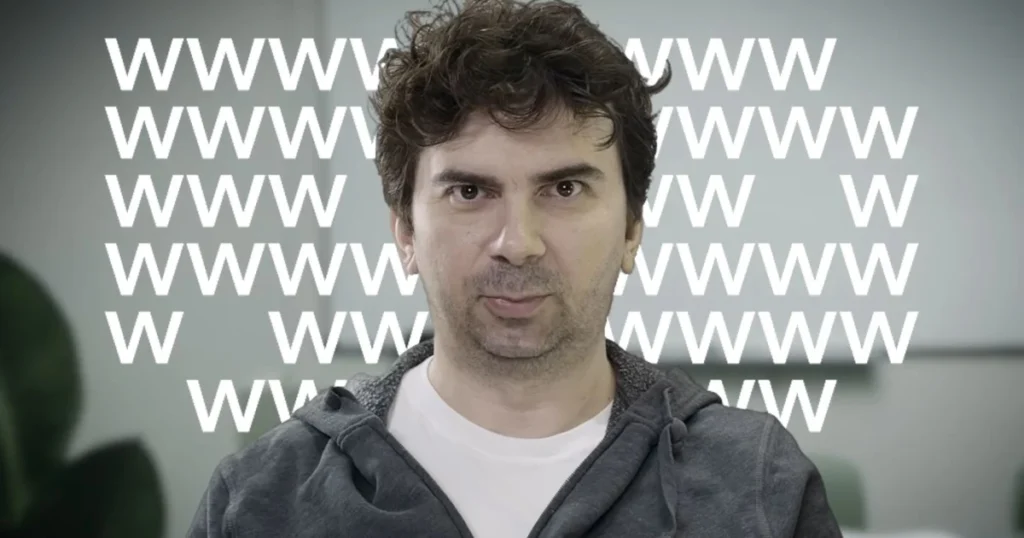
MOUNTAIN VIEW, California — In a move designed to bridge the communication gap between search engine developers and the broader digital marketing community, Google has launched a brand-new, sitcom-style video series on its Search Central YouTube channel. Titled “The Non-Canonical Cabinet,” the series tackles some of the most esoteric, niche, and unusual technical SEO questions that rarely make it into standard documentation or basic FAQ pages.
Hosted by Google’s Gary Illyes and Cherry Prommawin, the comedy-infused production format represents a departure from Google’s historically dry, text-heavy documentation. By addressing community-submitted edge cases—ranging from the legalities of internationalized domains to the actual ranking weight of emojis and keyword stuffing within URL structures—Google is offering unprecedented visibility into how its crawlers and indexing systems process the bizarre outer edges of the internet.
Main Facts: What Is ‘The Non-Canonical Cabinet’?
The Non-Canonical Cabinet is a serialized video initiative hosted by veteran Google Search advocates Gary Illyes and Cherry Prommawin.
- The Format: Unlike previous educational programs—such as Illyes’s 2024 five-part “How Search Works” series, which focused on foundational mechanics like crawling, rendering, and indexing—this new series bypasses the basics entirely. Instead, it dives straight into hyper-specific, highly technical scenarios sourced directly from webmasters, site owners, and SEO professionals.
- The Inspiration: Google formally announced the show with an October 6 teaser trailer, describing it as a comedic take on the strange, edge-case inquiries that flood industry forums and social media. As noted in the official episode descriptions, these are queries that "don’t belong on a standard FAQ page but are still useful for Search and generative AI features."
- The Scope: The inaugural episode, released on October 14, confronts domain naming restrictions, the technical disparity between domain names and URL paths, the behavior of emojis across different web systems, and the rapidly diminishing value of keywords in URLs.
- Future Outlook: Google has already confirmed that the second installment of the series will focus on
robots.txtnuances. While a strict release schedule has not been formally published, the eight-day gap between the teaser and the first episode suggests a swift rollout cadence. Viewers are actively encouraged to submit their own edge-case questions in the YouTube comments section.
Chronology: The Rollout and Inaugural Episode Breakdown
The genesis and execution of The Non-Canonical Cabinet reflect Google’s evolving strategy toward community engagement and transparency.
- October 6: Google drops a lighthearted trailer on the Search Central YouTube channel introducing The Non-Canonical Cabinet. The teaser establishes the comedic, sitcom-inspired tone of the series and explicitly invites the SEO community to submit their most baffling technical dilemmas.
- October 14: Google publishes the first official episode, running through a rapid-fire sequence of URL- and domain-related questions. Illyes and Prommawin dissect the governance of Internet standards, clarify the processing of non-standard characters, and definitively dismantle long-standing myths surrounding keyword-stuffed URLs.
- Post-Launch: The community response highlights a hunger for official validation regarding edge cases. With future episodes already slated to tackle
robots.txtfiles, the series is positioning itself as an interactive repository for modern technical SEO troubleshooting.
Supporting Data & Technical Analysis: Domains vs. URL Paths
A significant portion of the premiere episode is dedicated to clarifying the rigid technical differences between how domain names and URL paths are governed, parsed, and indexed.
Domain Names: Strict Standards and Punycode
When it comes to domain names, web standards are not set unilaterally by Google; rather, they are governed strictly by organizations like the Internet Corporation for Assigned Names and Numbers (ICANN) and the Internet Engineering Task Force (IETF).
Under foundational IETF standards—specifically RFC 1035 and RFC 1123—domain names are strictly restricted to basic letters (A-Z), numbers (0-9), and hyphens. Prommawin noted during the episode that Google’s systems strictly adhere to these established frameworks.
However, the globalization of the internet necessitated scripts capable of handling non-Roman alphabets (such as Chinese, Arabic, and Cyrillic). To accommodate this, Internationalized Domain Names (IDNs) were introduced. These are translated behind the scenes into Punycode, a specialized string format designated by the prefix xn--.
While modern web browsers automatically translate Punycode back into native scripts for user-facing display, Illyes issued a stark security and usability warning: certain IDN scripts contain characters that visually mimic standard Roman characters—a vulnerability historically exploited in phishing attacks. For instance, specific Cyrillic characters are virtually indistinguishable to the human eye from an English "p."
The Emoji Domain Myth vs. Reality
A recurring point of fascination for webmasters involves the use of emojis in URLs. Illyes and Prommawin clarified that emojis are fundamentally disallowed in domain names under current international standards.
This policy is backed by a 2017 ICANN Board Resolution, which explicitly states that emoji characters are prohibited by the technical standards governing IDNs. While some country-code top-level domains (ccTLDs) have historically allowed second-level emoji registrations as experimental novelties, mainstream global domain registries reject them outright.
URL Paths: More Flexible, But Formatting Matters
Conversely, the rules governing URL paths are far more forgiving. Illyes confirmed that Googlebot will actively crawl a URL path containing an emoji, and Google’s systems will process it.
When users input emojis into a URL path, modern web browsers automatically percent-encode those characters. For example, a chicken emoji in a URL path is translated into %F0%9F%90%94.
Despite Google’s ability to process these characters, webmasters should exercise caution. As Illyes pointed out, not all browsers, web servers, or third-party social media applications render percent-encoded emojis correctly. In many instances, platforms will display a string of cryptographic gibberish rather than the intended visual icon.
Google’s official URL structure documentation already supports this stance, recommending percent-encoding for non-ASCII characters and even utilizing emojis in its own structural examples. Sites adhering to this existing documentation require zero structural modifications following the episode’s release.
Official Responses: The Truth About Keywords and Separators in URLs
One of the most valuable takeaways for everyday SEO practitioners was Google’s definitive positioning on keyword stuffing in URLs and the structural difference between hyphens and underscores.
Keywords in URLs: An "Incredibly Small Signal"
For years, optimization professionals debated the direct ranking weight of placing primary target keywords inside a URL structure. Illyes put these debates to bed by labeling keywords in a URL as "an incredibly small signal."
Elaborating on this, Illyes stated:
"It really only matters when we have absolutely nothing else to go on."
He offered the hypothetical example of a brand-new website that is merely seconds old, completely devoid of written content, and lacking external backlinks. In such extreme isolation, Google might look at the URL string for a microscopic hint of context. However, the moment Google’s crawler indexes actual on-page content, keywords embedded within the domain and URL path "become basically irrelevant."
This aligns with historical statements from senior Google search analysts:
- John Mueller characterized URL keywords as a "very small ranking factor" back in 2016.
- Mueller reinforced this stance in 2021, referring to them as a "very, very lightweight factor."
The overarching message from The Non-Canonical Cabinet is clear: SEO professionals should completely abandon attempts to manipulate search engine rankings by packing unnatural, high-density keyword strings into their URLs.
Word Separators: Hyphens vs. Underscores
The episode also revisited the perennial debate over word separators in URL paths. Illyes reiterated Google’s long-standing preference for hyphens (-) over underscores (_).
When webmasters join words with underscores in a URL path, Google treats the connected string "as one long word." While Illyes noted that this is not a fatal technical error—as Google’s natural language processing can sometimes still parse the individual words—hyphens remain the universally recommended standard across the web.
Google’s developer documentation attributes this preference to historical computing reasons, noting that underscores in programming languages frequently denote concepts meant to stay permanently bound together (such as function names), whereas hyphens have traditionally served as clear word dividers in hypertexts.
Implications for the SEO Industry
The launch of The Non-Canonical Cabinet and its inaugural episode carry several profound implications for digital marketers, site architects, and content creators:
- Redundancy Validates Best Practices: Because the advice regarding URL paths, non-ASCII characters, and percent-encoding largely mirrors Google’s pre-existing documentation, compliant websites do not need to panic-buy redirects or restructure their sites. If your architecture already aligns with Google’s URL structure guidelines, you are fully optimized.
- Death of Keyword Stuffing Tactics: Agency accounts and client briefs frequently demand overloaded keyword paths under the assumption that it drives heavy organic visibility. Illyes’s blunt on-record statement provides SEOs with definitive ammunition to push back against outdated keyword-stuffing strategies, steering client focus back toward high-quality content generation and substantive on-page optimization.
- Enhanced Direct Communication: By leveraging an informal, comedic video format, Google is successfully humanizing its engineering culture while delivering hard technical truths. The ability for practitioners to drop edge-case questions into the YouTube comment sections creates a direct pipeline between webmasters and the Search Central team, ensuring future episodes remain intensely relevant to real-world deployment challenges.
As The Non-Canonical Cabinet prepares to roll out its second episode focusing on robots.txt nuances, digital marketers would do well to tune in—separating urban legends from algorithmic reality one edge case at a time.