Infrastructure Renaissance: How the Delhi-Meerut Expressway is Redefining Real Estate and Connectivity in the NCR
Published: June 20, 2026 | Updated: June 20, 2026
The landscape of the National Capital Region (NCR) is undergoing a seismic shift. As urban density in Delhi reaches its zenith, the spotlight has swung decisively toward the corridors flanking the Delhi-Meerut Expressway (DME). No longer just a road project, the DME has evolved into a catalyst for socio-economic transformation, effectively bridging the distance between the bustling hubs of Noida, Delhi, and the burgeoning peripheral settlements. With commute times slashed and infrastructure projects like the proposed expansion of the Hindon Elevated Road taking shape, the region is witnessing a real estate and industrial renaissance that promises to redefine urban living for millions.
Main Facts: The DME as a Regional Lifeline
The Delhi-Meerut Expressway (DME) stands as the crown jewel of India’s modern highway network. Stretching across 96 kilometers, the expressway serves as a vital artery, slashing travel time between Delhi and Meerut from what was once a grueling four-hour journey to a mere 45 to 60 minutes.
The project, characterized by its state-of-the-art intelligent transport systems (ITS), automated toll collection, and seamless integration with existing arterial roads, has fundamentally altered the geography of the NCR. By providing high-speed connectivity to NH-24, the expressway has turned previously remote hinterlands into prime real estate destinations. For the average commuter, the DME is not merely asphalt and concrete; it is the physical manifestation of "ease of living."
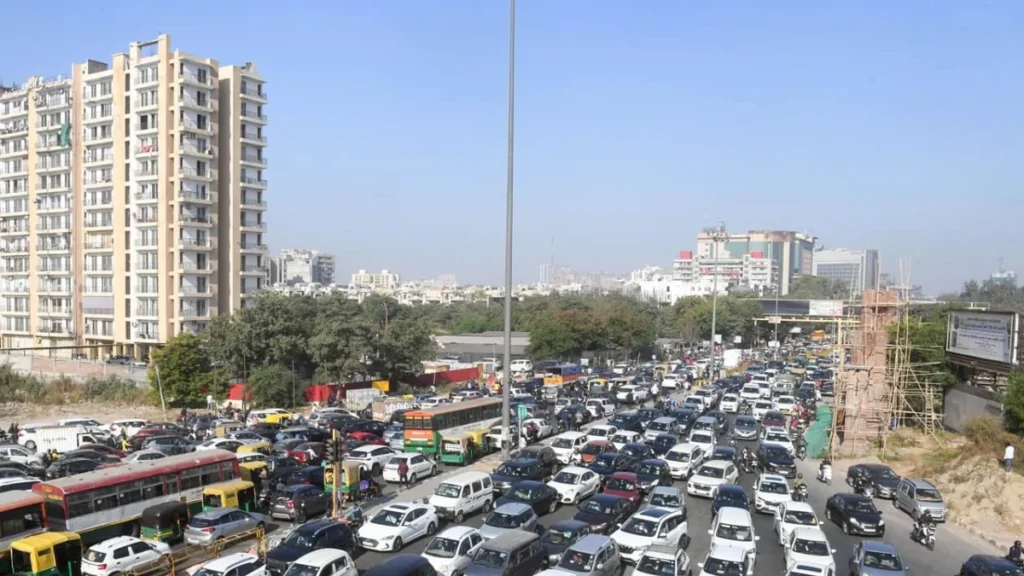
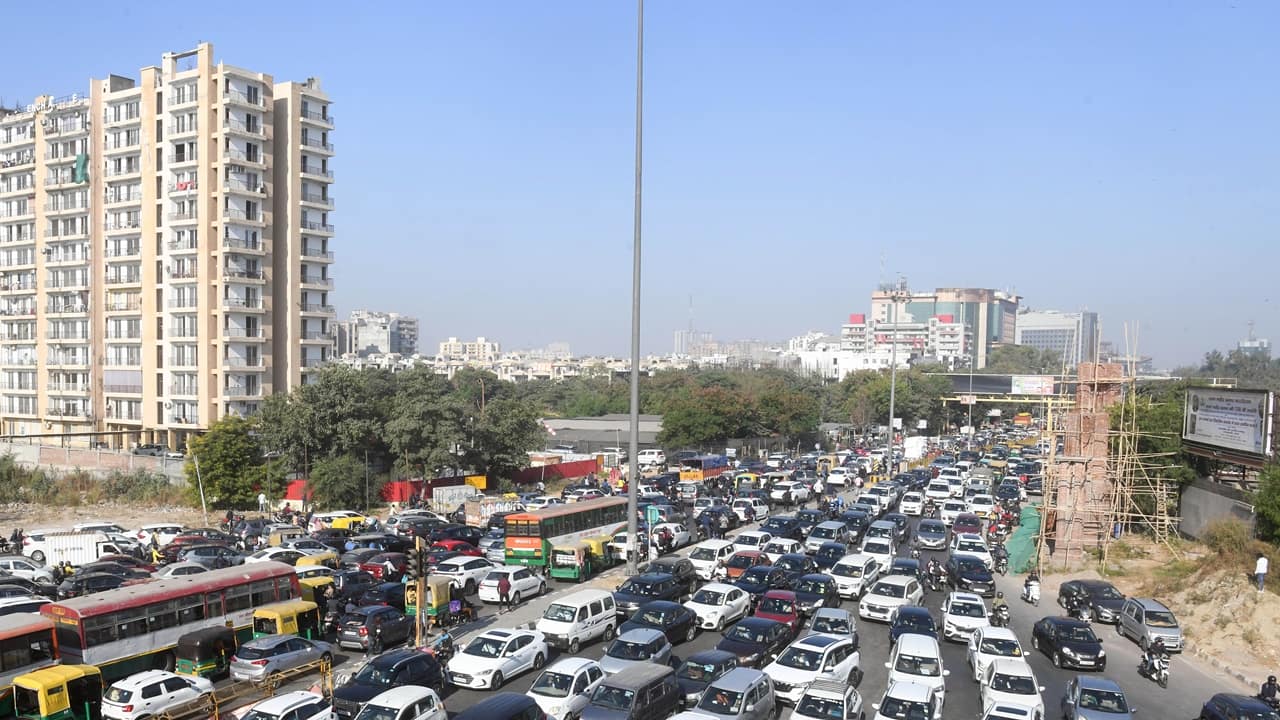
Beyond the speed, the DME has acted as a decongestion tool for the inner city. By diverting heavy transit traffic away from the congested urban centers of Delhi and Ghaziabad, the expressway has improved air quality and reduced the logistical costs of goods movement, creating a ripple effect of efficiency across the northern Indian economy.
Chronology: A Roadmap of Progress
The evolution of the DME corridor is a testament to long-term strategic planning.
- 2015–2016: The Blueprint: The Union Ministry of Road Transport and Highways (MoRTH) officially unveiled the ambitious plans for the DME to address the chronic traffic woes of the Delhi-Meerut stretch.
- 2018: Groundbreaking: Construction commenced in earnest, with the project broken down into four distinct phases to ensure rapid implementation and operational efficiency.
- 2021: Operational Milestone: The expressway was formally opened to the public, marking a watershed moment in infrastructure development. The immediate reduction in traffic congestion on the existing NH-24 was visible within days.
- 2023–2024: The Real Estate Boom: Recognizing the potential of the corridor, major developers shifted focus toward the NH-24/DME axis, launching high-density residential townships and commercial plazas.
- 2025: The Hindon Expansion: Following the success of the DME, urban planners announced the expansion of the Hindon Elevated Road, aimed at further integrating the industrial pockets of Ghaziabad with the core business districts of Noida.
- 2026 (Present): Integration Phase: Current efforts are focused on "last-mile connectivity"—ensuring that the speed of the expressway is matched by efficient feeder roads and ramp expansions.
Supporting Data: By the Numbers
The impact of the DME is best understood through the metrics of growth. According to recent regional transit reports:
- Commute Time: A 65% reduction in average peak-hour travel time for commuters traveling from Western Uttar Pradesh to the Delhi-NCR central business districts.
- Real Estate Appreciation: Properties along the NH-24 corridor have seen a consistent year-on-year price appreciation of 12–15%, significantly outperforming the national average for residential real estate.
- Traffic Volume: Daily traffic on the DME has crossed the 1.5 lakh passenger car unit (PCU) mark, proving that the infrastructure is catering to a massive, previously untapped demand for rapid transit.
- Hindon Connectivity: The proposed ramp expansion on the Hindon Elevated Road is expected to save an additional 15 minutes for commuters navigating the Ghaziabad-Noida link, effectively connecting over 50,000 households to a high-speed transit network.
Official Perspectives: Policy and Vision
Government officials have consistently lauded the DME as the gold standard for future highway development. In a recent briefing, officials from the National Highways Authority of India (NHAI) noted that the success of the DME is not just in its speed, but in its integrated approach.
"We aren’t just building roads; we are building economic corridors," stated a senior planning official. "The integration of the Hindon Elevated Road with the DME framework is a deliberate move to ensure that industrial hubs, residential zones, and educational institutions are interconnected. The feedback loop from citizens—who now spend more time at home and less in traffic—validates our policy trajectory."
Urban planners emphasize that the focus has now shifted to "transit-oriented development" (TOD). By encouraging high-density, mixed-use construction around these transit hubs, the government aims to create self-sustaining urban nodes that reduce the need for long-distance travel altogether.
Implications: A New Era for Homebuyers and Businesses
The rapid development of the DME corridor has profound implications for the future of the NCR.
1. The Decentralization of Business
As connectivity improves, the "Central Business District" model is being challenged. Companies are increasingly looking at satellite offices in Ghaziabad and Meerut, knowing that their workforce can reach these locations via the DME as easily as they could reach Connaught Place. This decentralization is helping to balance the population distribution of the NCR, alleviating the immense pressure on Delhi’s infrastructure.
2. Real Estate: The Emergence of the "Value" Hub
For homebuyers, the NH-24 and DME corridors represent the most viable alternative to the exorbitant prices of Central Delhi or South Delhi. Modern, gated communities with world-class amenities are now available at a fraction of the cost of the city center. This has made the corridor a hotspot for young professionals and families seeking a higher quality of life without the crushing financial burden of traditional "prime" locations.
3. Logistical Efficiency
For the manufacturing and retail sectors, the DME is a game-changer. The reduction in transport time translates to lower fuel consumption and faster turnaround times for goods. This operational efficiency is attracting logistics firms to set up warehousing and distribution centers along the expressway, further fueling local employment opportunities.
4. Environmental Considerations
While infrastructure expansion often raises environmental concerns, the DME is designed with sustainability in mind. The reduction in stop-and-go traffic significantly lowers carbon emissions from idling vehicles. Future plans for the corridor include the installation of solar-powered lighting and the expansion of green buffers along the highway, aiming to mitigate the impact of urban sprawl.
The Path Ahead
The story of the Delhi-Meerut Expressway is far from over. As we look toward the latter half of 2026 and beyond, the next frontier for the region is the seamless integration of public transport—such as the Rapid Rail Transit System (RRTS)—with the road network.
The addition of new ramps on the Hindon Elevated Road serves as a microcosm of the larger strategy: iterative improvement. By continuously refining the infrastructure based on real-time traffic data and population growth patterns, planners are ensuring that the NCR remains a competitive, livable, and future-ready region.
For the resident of Meerut, the entrepreneur in Ghaziabad, and the professional in Noida, the distance between them is shrinking. The DME has effectively turned the sprawling NCR into a singular, interconnected neighborhood. As the region matures, the emphasis will shift from mere connectivity to quality of life—ensuring that this rapid development brings not just wealth and speed, but sustainable, inclusive growth for all stakeholders.
In the grand narrative of India’s urbanization, the Delhi-Meerut Expressway stands as a beacon of what is possible when policy, engineering, and private sector initiative align. The road ahead is not just paved with bitumen; it is paved with the promise of a more connected and prosperous future.